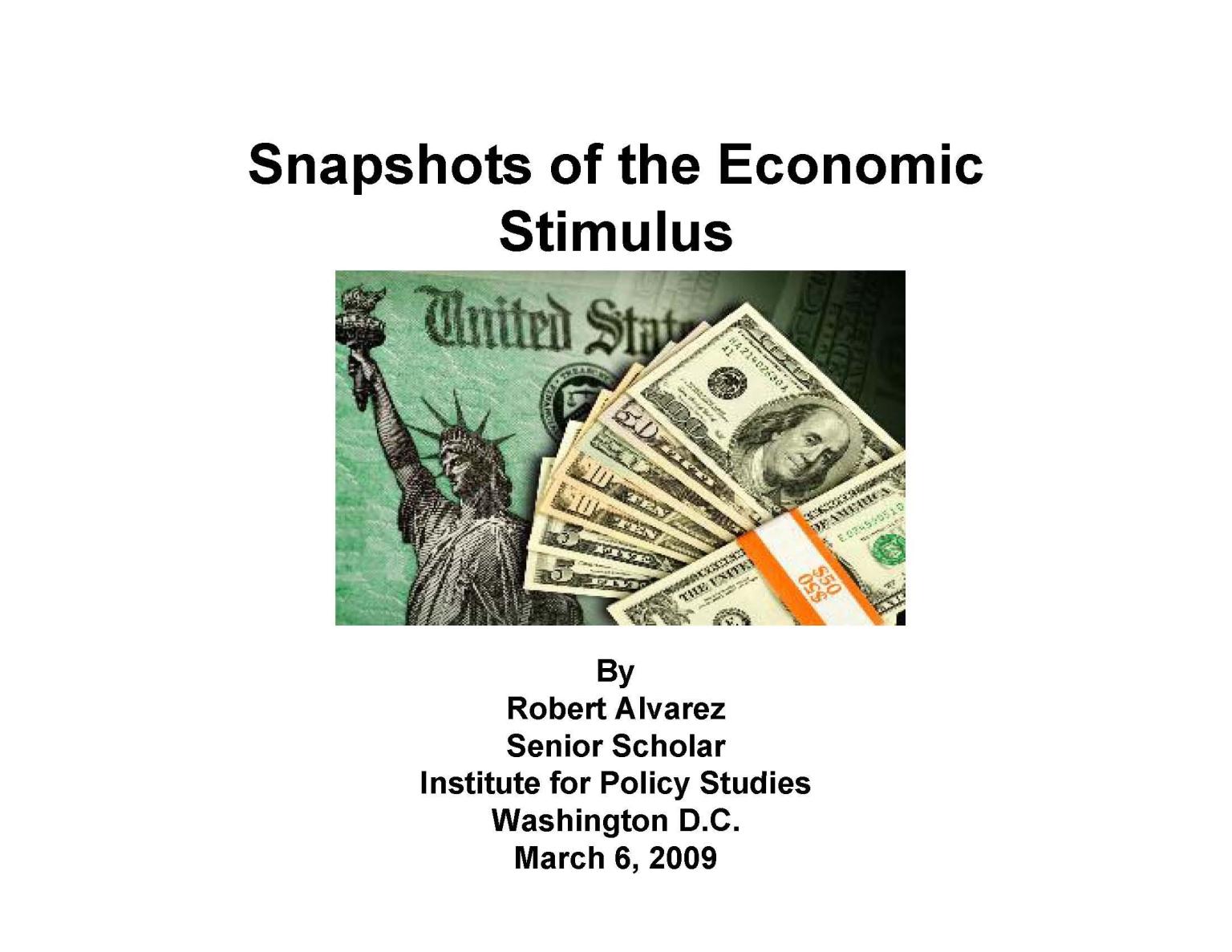
The American safety net is more like a sieve than a floor. If you've ever tried to file for unemployment insurance in a state with an aging mainframe from the 1980s, you already know the truth. It's a nightmare. Now, as the economic fallout from the coronavirus pandemic hits with the force of a tidal wave, the federal government is trying to slap a band-aid on a gaping wound. It won't work. President Trump’s relief plans might put some cash in pockets, but they're ignoring the structural rot that makes our unemployment system a failure by design.
The system is fundamentally flawed because it was never built to handle a modern, gig-driven economy, let alone a global health crisis that shuts down entire industries overnight. We're looking at a patchwork of 50 different state systems, each with its own set of rules, its own stingy payout caps, and its own uniquely frustrating bureaucracy. Throwing federal money at these broken pipelines is like trying to fill a bucket that’s mostly holes.
The Myth of the Federal Safety Net
Most people think "unemployment" is a single federal program. It isn't. It’s a joint venture where states call almost all the shots. This creates a zip-code lottery for survival. If you lose your job in Massachusetts, you might get a decent percentage of your old paycheck. If you’re in Florida or North Carolina, you’re looking at some of the lowest benefits and shortest durations in the country.
The Trump administration’s focus on payroll tax cuts or one-time stimulus checks misses the point of what a functional unemployment system should do. It should provide a stable, predictable bridge for workers. Instead, we have a system that actively tries to kick people off the rolls. Many states have spent the last decade making it harder to apply, slashing the number of weeks you can claim, and keeping benefit amounts stuck in the past.
When the federal government tries to "help" by adding extra money on top of these state systems, it often causes a technical meltdown. We saw this during the initial waves of the pandemic. State computers, some literally running on COBOL—a programming language older than the people using it—couldn’t handle the new rules. People waited weeks, sometimes months, for a single cent. A relief plan that relies on broken infrastructure is just a hollow promise.
Why the Gig Economy is Left Out in the Cold
The world of work has changed. The unemployment system hasn't. Our current framework was built for the 1930s factory worker who gets laid off and waits to be called back. It wasn't built for the Uber driver, the freelance graphic designer, or the independent contractor.
While the CARES Act and subsequent proposals tried to create temporary programs like Pandemic Unemployment Assistance (PUA) for these workers, they were treated as an afterthought. These programs are often the first to be cut and the hardest to navigate. Because these workers don't "pay into" the traditional state UI taxes in the same way, states are often hostile toward them.
- Self-employed individuals often have to prove their income with mountains of paperwork.
- States frequently flag these claims for "fraud" simply because their systems don't know how to categorize them.
- The benefits are often set at the absolute minimum, which isn't enough to cover rent in most American cities.
Trump’s approach has largely been to view these workers through the lens of "reopening the economy" rather than providing long-term security. The pressure to get back to work—even when it's unsafe or the jobs simply don't exist anymore—is a feature, not a bug, of the current strategy. It ignores the fact that for many, the "gig" isn't coming back anytime soon.
The Problem With Temporary Fixes
One-time checks are a political win. They're easy to understand and they look good on a headline. But they don't fix the fact that the average unemployment benefit in the U.S. replaces only about 30% to 40% of a worker's prior wages. In many European countries, that number is closer to 70% or 80%.
We're obsessed with "moral hazard." There's this constant fear in American politics—and it's been a staple of the Trump administration's rhetoric—that if we make unemployment benefits too good, people won't want to work. This logic is used to justify keeping benefits low and durations short. But during a pandemic, when the government is literally telling businesses to close, that argument falls apart.
The reality is that most people want to work. They just also want to not be homeless. By focusing on temporary, "emergency" measures, the administration avoids the hard work of mandating national standards for unemployment insurance. We need a system where every worker, regardless of their state or their job title, has access to a reliable percentage of their income.
Digital Walls and Bureaucratic Hurdles
Let's talk about the "user experience" of being unemployed. It’s a full-time job in itself. Many states have implemented what experts call "sludge"—purposeful bureaucratic hurdles designed to discourage people from finishing their applications.
- Websites that crash during business hours.
- Phone lines that stay busy for eight hours straight.
- Hidden requirements to search for jobs that don't exist in a locked-down economy.
- Confusing identity verification processes that require physical mail in a digital age.
The Trump administration’s relief plans do nothing to address this administrative violence. They provide the "what" (the money) without fixing the "how" (the delivery). If the pipes are clogged with rust and debris, it doesn't matter how much water the feds pour in at the top. The people at the bottom are still going to be thirsty.
Small Businesses and the Paycheck Protection Program Trap
The administration pushed the Paycheck Protection Program (PPP) as a way to keep people off unemployment. On paper, it sounds great. Give money to businesses so they keep their staff. In practice, it was a mess.
Large chains found loopholes to grab millions while the mom-and-pop shop on the corner got nothing. Even for those who got the money, the rules were so confusing and shifted so often that many owners were afraid to spend it. When the PPP money ran out, those workers ended up on the same broken unemployment lines anyway. It was a temporary detour, not a solution. It favored the banked and the well-connected, leaving the most vulnerable workers to fight for scraps in the state systems.
The Long Term Costs of Ignoring the Foundation
By failing to reform the actual structure of unemployment insurance, we're setting ourselves up for a permanent underclass of the "newly poor." When people can't access benefits, they drain their savings. They skip medical appointments. They fall behind on credit card payments. This creates a secondary economic crisis that lasts much longer than the initial virus outbreak.
The current relief plans are built on the hope that things will just "go back to normal." But the old normal was already broken. We had record-low unemployment numbers before the pandemic, yet millions of people were one missed paycheck away from disaster. The system was already failing to cover a huge portion of the workforce. Trump’s plan to simply "bridge" the gap assumes the ground on the other side is solid. It’s not.
What You Can Do Right Now
If you're stuck in the middle of this mess, waiting for a plan that might not actually help you, you have to be your own advocate. Documentation is your only weapon. Keep a log of every time you try to call the unemployment office. Screenshot every error message on the state website. Keep every pay stub and 1099 form from the last two years.
Don't wait for the federal government to fix the state-level plumbing. Contact your state representatives. They are often the only ones who can poke the bureaucracy hard enough to get a claim moving. If you're a gig worker, don't take "no" for an answer on your first application; the systems are often programmed to reject you by default. Appeal every denial.
The political theater in Washington will continue. There will be more debates about stimulus amounts and tax holidays. But until someone addresses the fact that our 50-state patchwork is obsolete, the American worker will continue to bear the brunt of the "flaws" in the system. Fix the infrastructure, or stop pretending the relief is real.
Gather your records today. Check your state's "maximum weekly benefit" and compare it to your actual expenses. If the math doesn't add up, start looking at local mutual aid funds and community resources now rather than waiting for a federal check that might be delayed by a 40-year-old computer system. You can't gamble your rent on a broken machine.