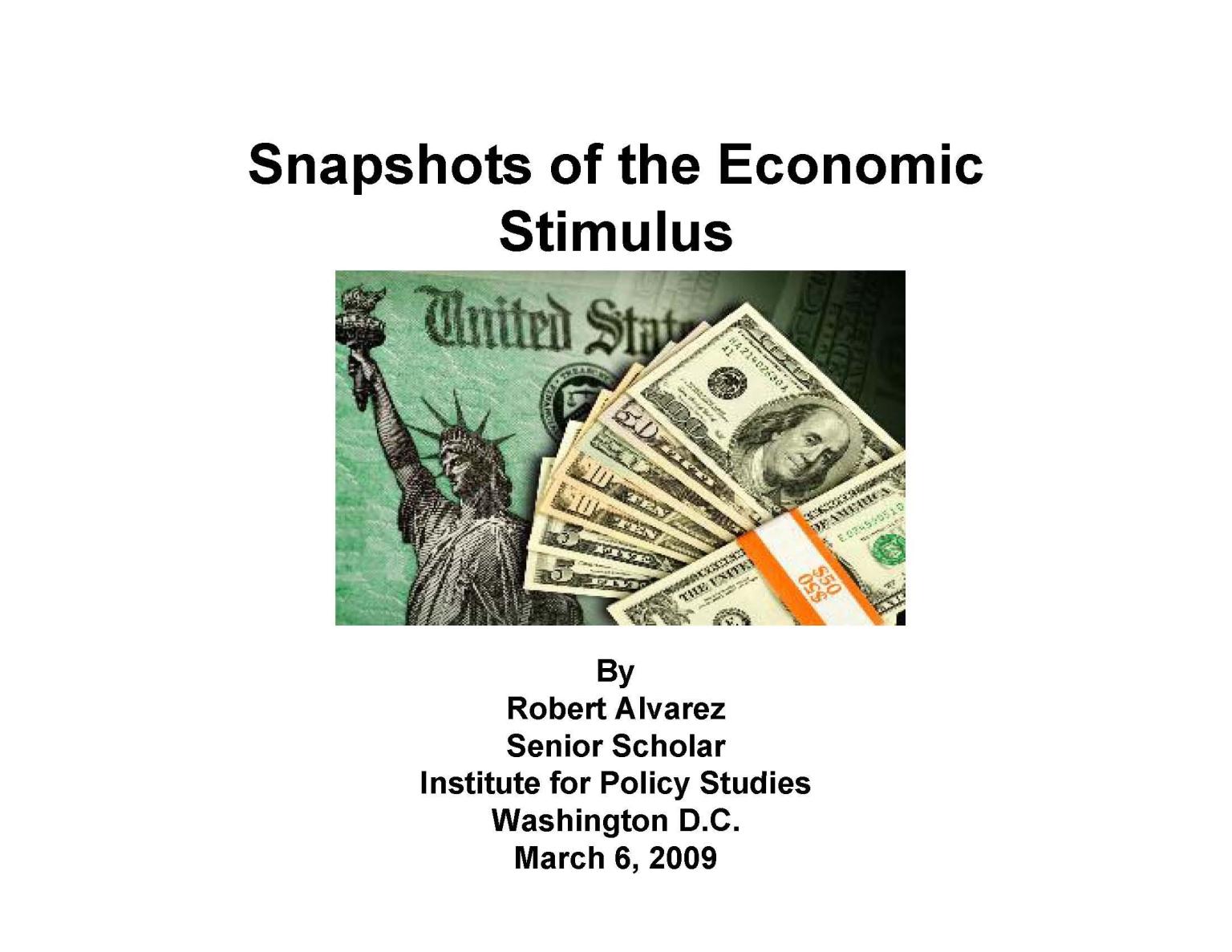
The old guard of political consultancy is clinging to a ghost. For decades, the "it’s the economy, stupid" mantra served as the North Star for every campaign manager from the Beltway to the Bay Area. But as the 2020 election cycle hits its stride, that reliable compass is spinning wildly. A quiet but massive shift in the American psyche has demoted gross domestic product and unemployment rates to the background. In their place, a volatile cocktail of identity, healthcare, and systemic trust has taken over.
Voters are no longer checking their 401(k) statements before heading to the ballot box. They are checking their values. While traditional metrics might suggest a country at peace with its ledger, the social fabric is fraying at the seams. This isn't a temporary glitch in the system; it is a fundamental rewiring of how Americans decide who leads them.
The Mirage of Prosperity
On paper, the numbers tell a story of stability. Unemployment has hovered at historic lows and the stock market continues its erratic climb. In any other era, an incumbent would be coasting on these figures. Yet, the disconnect between national data and personal anxiety has never been wider.
The "economy" as a concept has become too abstract for the average citizen. When a factory closes in the Midwest, a rise in tech stocks in Silicon Valley does nothing to soothe that localized pain. People are looking at the cost of insulin, the quality of their local schools, and the safety of their neighborhoods. These are "kitchen table" issues, yes, but they aren't strictly economic. They are existential.
Healthcare as a Human Right Not a Line Item
If there is one issue that has cannibalized the economic argument, it is healthcare. It has transitioned from a policy debate into a moral crusade. For a significant portion of the electorate, the fear of a single medical emergency wiping out a lifetime of savings outweighs the benefit of a small tax cut.
This isn't just about insurance premiums. It’s about the fundamental "why" of the American government. Is the state’s primary role to ensure a friction-free market, or is it to protect the physical well-being of its people? In 2020, the latter is winning. The anxiety is palpable in town halls across the country. You hear it in the voices of parents whose children have pre-existing conditions and in the elderly who are choosing between groceries and prescriptions.
The Cultural Cold War
We are witnessing the rise of the "Identity Voter." For this group, the election is a battle for the soul of the nation, and no amount of job growth can compensate for a perceived loss of cultural status or moral direction. This applies across the political spectrum.
On one side, there is a sense that the traditional American way of life is under siege from globalism and shifting social norms. On the other, there is a conviction that the country must finally reckon with systemic injustices that have been ignored for centuries. These are not arguments that can be settled with a stimulus check. They are visceral, emotional, and deeply personal.
The Trust Deficit and the Institutional Collapse
Perhaps the most overlooked factor in this election is the total collapse of trust in institutions. Whether it’s the media, the judiciary, or the electoral process itself, Americans have stopped believing in the referees. When you don't trust the data, the "economy" becomes just another piece of propaganda.
This skepticism creates a vacuum that is easily filled by tribalism. If the official numbers say things are good, but you feel like the world is ending, you don't blame your feelings—you blame the people providing the numbers. This leads to a campaign cycle defined by grievance rather than growth.
The Polarization Trap
Political scientists often talk about "negative partisanship." This is the idea that people don't vote for a candidate as much as they vote against the other side. In 2020, this has reached a fever pitch. If your primary goal is to prevent the "other" from gaining power, the nuances of trade policy or infrastructure spending become irrelevant noise.
- Social Media Echo Chambers: Algorithms prioritize outrage, ensuring that cultural flashpoints remain at the top of the feed.
- Geographic Sorting: People are increasingly living in communities that mirror their own views, making the "other side" seem not just wrong, but alien.
- The 24-Hour News Cycle: The need for constant "breaking news" favors sensationalist cultural debates over slow-moving economic trends.
The Environment as an Immediate Threat
For a growing segment of younger voters, the "economy" is a moot point if the planet is uninhabitable. Climate change has shifted from a distant, scientific concern to an immediate, localized threat. From wildfires in the West to flooding in the East, the environmental crisis is no longer an academic exercise.
These voters see the current economic model as the problem, not the solution. They aren't looking for a return to the status quo; they are looking for a radical overhaul. This creates a friction point within the electorate that cannot be smoothed over with traditional political rhetoric.
The Burden of Student Debt
While technically an economic issue, student debt has taken on a life of its own as a generational grievance. It has delayed homeownership, stalled marriage rates, and stifled entrepreneurship for millions of Millennials and Gen Z-ers. To these voters, the "strong economy" is a lie told by people who bought their first house for the price of a mid-sized sedan.
The demand for debt forgiveness isn't just about money; it’s about a sense of betrayal. They were told that education was the path to the American Dream, only to find themselves trapped in a cycle of interest and low-wage service jobs. This feeling of being "cheated" by the system is a powerful motivator that goes far beyond traditional tax-and-spend politics.
Immigration and the Border as Symbols
Immigration has become the ultimate proxy for every other fear in the American consciousness. For some, it represents a threat to national security and wage stability. For others, the treatment of migrants is a test of the nation's humanity.
Regardless of the actual economic impact of immigration—which many studies suggest is net-positive—the perception of its impact is what drives the vote. It is a visual, tangible issue that politicians can use to signal their values. It is a shorthand for "who belongs here" and "who are we looking out for."
The Shadow of 2016
The ghost of the last election hangs heavy over this one. The shock of 2016 taught campaigns that the "Blue Wall" was not a fortress, but a fence with many holes. Those holes weren't just caused by economic displacement; they were caused by a feeling of being forgotten and disrespected.
The 2020 candidates are trying to learn that lesson, but many are still using 20th-century tools for a 21st-century problem. They are shouting about tax brackets when the audience is crying out for dignity.
The Myth of the Independent Voter
We often hear about the "undecided" or "independent" voter as the holy grail of politics. In reality, these voters are becoming a vanishing species. Most "independents" lean heavily toward one party; they just don't like the label.
The few who are truly up for grabs are not looking for a middle-of-the-road economic plan. They are looking for a reason to believe that the system isn't rigged. They are looking for authenticity in an age of scripted outrage. This makes the "character" of the candidate more important than any white paper or policy proposal.
The Weaponization of Information
In 2020, facts are no longer the baseline for debate. They are the ammunition. We are living in an era where two people can look at the same set of data and see two completely different realities.
This fragmentation makes the "economy" an unreliable campaign pillar. If half the country believes the jobs numbers are faked and the other half believes they are misleading, the numbers lose their power to persuade. The election then becomes a contest of who can tell the most compelling story about why the other side is lying to you.
The Final Shift
The 2020 election will not be won on a spreadsheet. It will be won in the gut. The candidate who understands that Americans are exhausted, angry, and searching for a sense of purpose will have the advantage.
The "it’s the economy" era is over because the economy has failed to deliver the one thing Americans crave most: a sense of security. Not just financial security, but the security of knowing that their country makes sense, that their neighbors are not their enemies, and that the future is something to be built, not feared. Stop looking at the Dow Jones. Start looking at the people who have stopped looking at it.
Ask yourself what remains when the promise of a paycheck is no longer enough to keep a society together. That is where the 2020 election will be decided.