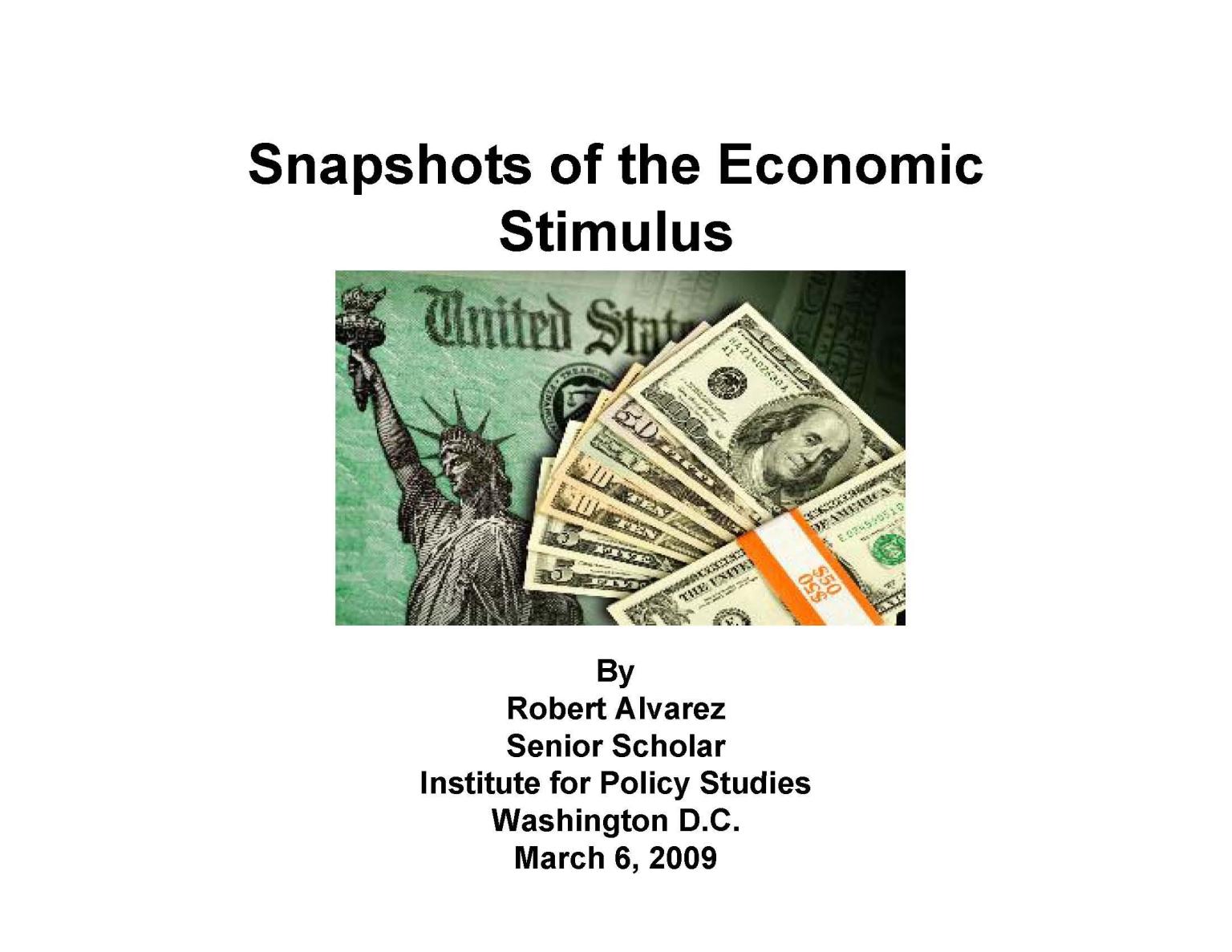
The machinery of the American state functions with terrifying efficiency when the objective is to protect capital. During the height of the 2020 economic collapse, we witnessed a masterclass in lopsided logistics. Billions of dollars in liquidity surged into the accounts of major corporations and well-connected firms within days of the CARES Act passing. Meanwhile, the administrative hurdles placed in front of the working class—the very people the relief was publicly branded to protect—created a bureaucratic gauntlet that many did not survive.
This was not a series of unfortunate glitches. It was a design choice. While the Treasury Department and the Small Business Administration (SBA) built wide-open floodgates for the Paycheck Protection Program (PPP), the systems for unemployment insurance and direct individual relief were left to rot on antiquated servers and crumbling state infrastructure. The result was a wealth transfer masked as a rescue mission.
The PPP Pipeline and the Myth of the Small Business
The Paycheck Protection Program was sold as a lifeline for the "mom and pop" shop on the corner. The reality was far more cynical. By delegating the distribution of these funds to private banks, the government essentially outsourced its "equity" responsibility to institutions that prioritize their most profitable clients.
Banks didn't start with the struggling dry cleaner. They started with the hospitality groups, the law firms, and the private-equity-backed entities that already had established lines of credit. These "small" businesses often had hundreds of employees and sophisticated accounting departments. They knew how to navigate the paperwork before the ink on the legislation was dry.
Because banks earned processing fees based on the total loan amount, they had every incentive to prioritize a $5 million loan over a $20,000 one. It takes the same amount of work to process both, but one is vastly more lucrative. This structural bias ensured that the first—and largest—tranches of money went to those who needed it the least. By the time the actual small businesses, particularly those in minority communities without deep banking relationships, got to the front of the line, the initial funding had evaporated.
The Unemployment Gauntlet
Contrast the "frictionless" experience of corporate relief with the nightmare of the state-level unemployment systems. As the private sector received forgivable loans that were effectively grants, the newly jobless were met with busy signals and crashing websites.
Many states used decades-old COBOL programming languages that could not handle the surge in claims. But the technical failure was a convenient cover for a deeper ideological one. For years, many state legislatures had intentionally made their unemployment systems difficult to navigate to keep "dependency" low and "integrity" high. When the crisis hit, these systems performed exactly as they were built to—they discouraged applicants.
A worker who lost their job at a retail chain had to prove their eligibility through a maze of identity verification and work-history audits. They waited weeks, sometimes months, for a debit card to arrive in the mail. In that time, rent went unpaid, and debt accumulated. There was no "fast track" for the person whose bank balance was $400. There was only a fast track for the entity with a $400 million valuation.
The Forgiveness Gap
The most egregious disparity lies in the "forgiveness" phase. The PPP was designed to be forgiven. As long as the funds were used for payroll and certain overhead costs, the debt vanished. This was an incredibly low bar. In practice, it meant the public treasury underwrote the operating costs of profitable companies that, in many cases, never actually faced a threat of closure.
On the other side of the ledger, the direct payments to individuals—the $1,200 checks that became a cultural flashpoint—were treated as a massive, risky experiment. Critics fretted over whether an extra $600 a week in enhanced unemployment would make people "lazy." No such concerns were raised about whether $5 million in tax-free grants would make a CEO less inclined to innovate.
We saw a radical shift in how we define "welfare." When it goes to a person who needs groceries, it is a handout subject to intense scrutiny. When it goes to a corporation to maintain a balance sheet, it is "stimulus" and "economic stability."
The Architecture of Inequality
To understand why this happened, you have to look at the lobbyists. During the drafting of the relief packages, corporate interests had seats at the table in Washington. They ensured that the language of the bills was broad enough to allow for maximum flexibility. They made sure the "audit" triggers were high and the "forgiveness" triggers were low.
The working class has no such lobby. The labor unions that remain are fragmented and were largely ignored during the rapid-fire negotiations of early 2020. The "one for the poor" effort was a secondary thought, a political necessity to buy the votes needed to pass the "one for the rich" portion of the bill.
The $2 trillion CARES Act was a Rorschach test for American values. If you looked at the stock market, which roared back to life almost immediately, the plan was a success. If you looked at the food bank lines that stretched for miles in Texas and Ohio, it was a catastrophic failure of distribution.
The Hidden Cost of "Speed"
Government officials often defend the lopsided nature of the relief by citing the need for speed. They argue that using existing banking channels was the only way to get money out fast. This is a half-truth. While it did get money out fast, it directed that speed toward a specific class of people.
The government has the data to send money directly to citizens. The IRS knows where we live and where we bank. The delay in individual payments wasn't a matter of capability; it was a matter of priority. We have a "Just-In-Time" delivery system for corporate subsidies and a "Check-Is-In-The-Mail" system for everyone else.
The Long-Term Fallout
The divergence in these two relief efforts has permanently altered the economic landscape. The companies that received the bulk of the PPP funds were able to emerge from the pandemic with cleaner balance sheets and, in many cases, more market share. They used the "crisis" to consolidate. Small competitors who didn't get the same federal backing simply vanished.
This isn't just about the money that was spent; it's about the debt that remains. While the corporate "loans" were forgiven, the individual "debt" accrued by households during the wait for relief—credit card interest, payday loans, back rent—is very much alive. We traded a public debt (the stimulus) for a massive increase in private, high-interest debt for the bottom 50% of the population.
The Oversight Mirage
Don't be fooled by the various "watchdog" committees and inspectors general appointed to oversee the funds. By the time an auditor finds that a company technically shouldn't have received a $2 million loan, the money is gone. It has been spent on executive bonuses, equipment upgrades, or shareholder dividends.
The "fraud" that gets the most headlines is usually the small-time grifter who bought a Lamborghini with a fake business name. Those cases are easy to prosecute and make for good press releases. The real "fraud" is the systemic, legal funneling of billions into the hands of the wealthy under the guise of job preservation—jobs that were often cut anyway once the minimum retention period expired.
The American economy didn't just survive the pandemic; it was restructured by it. We institutionalized a two-tier system where the risk is socialized for the top and privatized for the bottom. If the next crisis follows this blueprint, the "safety net" won't be a net at all—it will be a filter that only catches those too big to fail.
Demand an accounting of every dollar that was forgiven. Ask your local representatives why a firm with fifty partners received a grant while the neighborhood grocery store took on debt. The records are public, even if the shame is not.