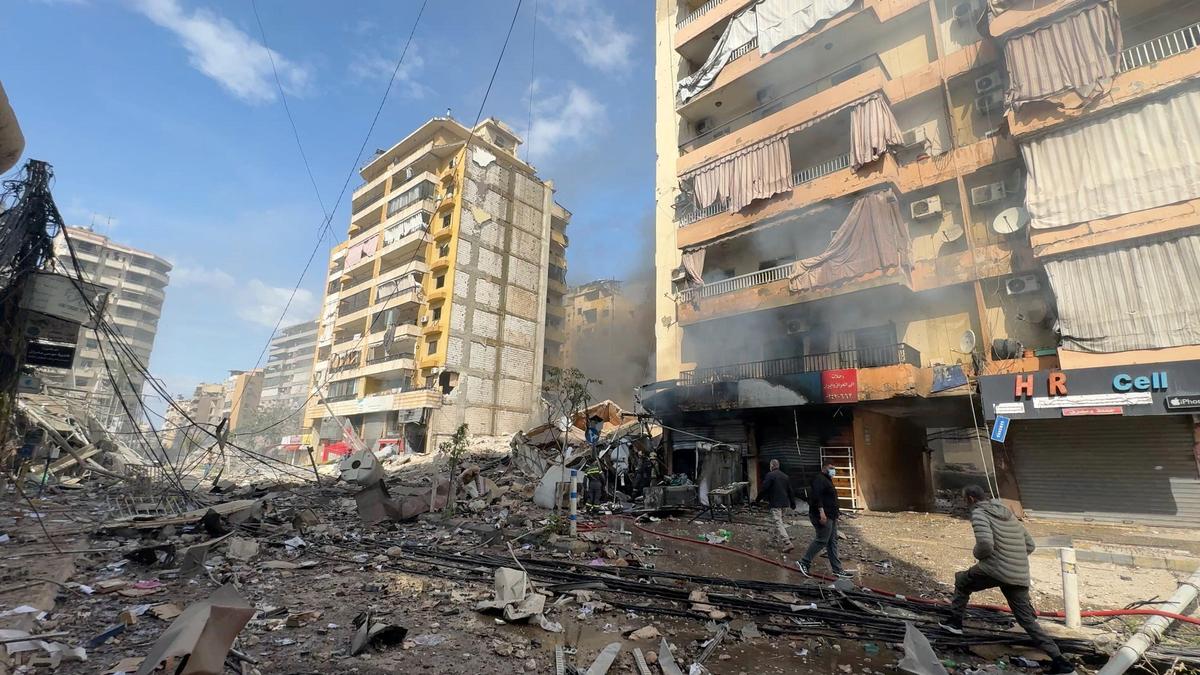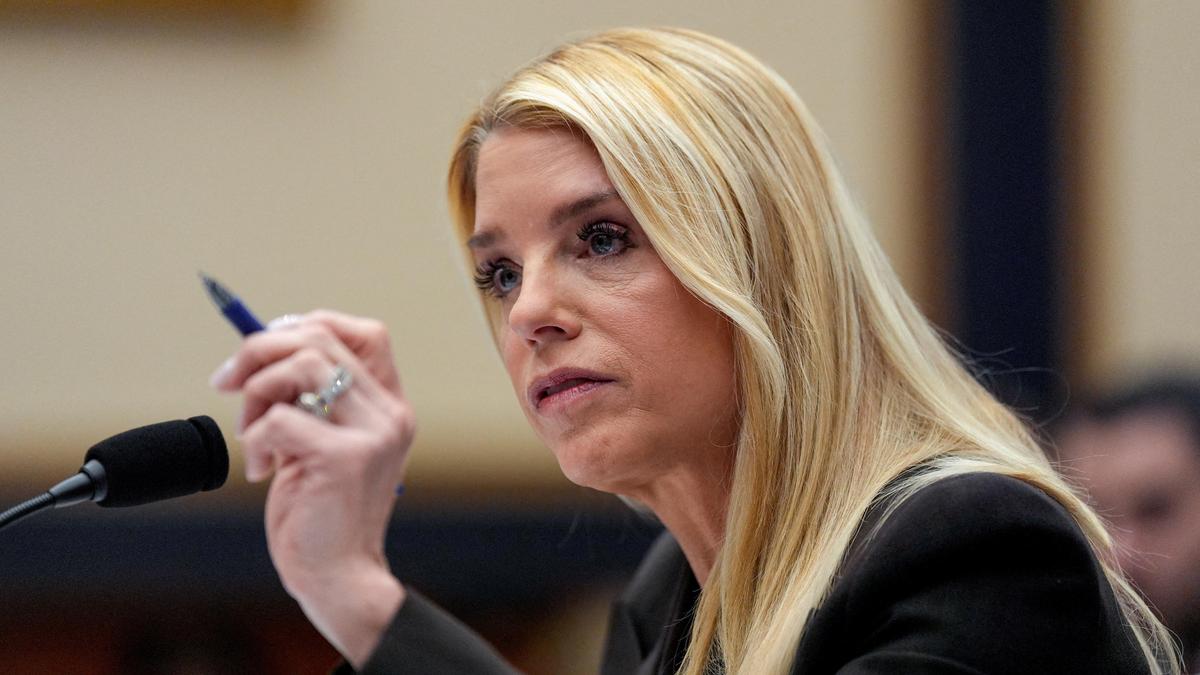
The United States Senate effectively handed the executive branch a blank check for regional escalation on Wednesday, voting 47-53 to reject a war powers resolution that would have forced a halt to unauthorized hostilities against Iran. This vote serves as the first formal congressional litmus test for "Operation Epic Fury," the ongoing military campaign initiated by President Donald Trump following the targeted strikes that reportedly killed Iranian Supreme Leader Ayatollah Khamenei and decimated nuclear facilities. By blocking the measure, the Republican majority—supported by a lone Democratic defector—has signaled that the traditional legislative appetite for "ending forever wars" has been entirely eclipsed by a new, more volatile doctrine of preemptive decapitation and "maximum pressure."
Beneath the procedural surface of the 47-53 tally lies a fundamental shift in how Washington views its own constitutional authority. While Senator Tim Kaine (D-VA) and his allies argued that the administration lacks a specific Authorization for Use of Military Force (AUMF), the opposition successfully reframed the debate. It was no longer about the law; it was about the optics of "abandonment" in the middle of a kinetic firestorm.
The Mirage of Constitutional Oversight
For decades, the War Powers Act of 1973 has been treated as a hollowed-out relic, a piece of legislation designed to prevent another Vietnam that instead became a roadmap for presidents to wage war for 60 to 90 days before even asking for permission. This latest vote suggests the window has closed even further. Republican leaders, led by Senate Majority Leader John Thune, argued that the president’s actions are "consistent with previous administrations," effectively cementing executive precedent as a substitute for actual law.
The administration’s shifting justifications—moving from regime change to "nuclear denial" to "crippling missile capabilities"—did little to deter the GOP caucus. Senator John Barrasso (R-WY) summarized the party line with blunt efficiency, claiming that any attempt to enforce congressional oversight was merely a partisan attempt to "obstruct Donald Trump" rather than "obliterate Iran's national nuclear program." This rhetoric suggests a growing consensus within the party that the constitutional requirement for a declaration of war is an obstacle to be managed rather than a mandate to be followed.
The Defectors and the Loyalists
The vote was almost entirely partisan, but the exceptions offer a window into the fracturing of the old guard.
- Rand Paul (R-KY): The lone Republican to vote "Yea" on the resolution. Paul remains the final vestige of the non-interventionist wing that once briefly defined the MAGA movement’s foreign policy during the 2016 campaign.
- John Fetterman (D-PA): The only Democrat to vote "Nay" alongside Republicans. Fetterman has increasingly aligned himself with a more hawkish stance on Middle Eastern security, positioning himself as a bridge between traditional Democratic policy and the administration's aggressive posture toward Tehran.
- The "Flip-Floppers": Senators like Todd Young (R-IN) and Josh Hawley (R-MO), who previously signaled a willingness to limit executive overreach in conflicts like Venezuela, fell back into the party line. Their justification? "The context is different."
This "different context" is the reality of a multi-front conflict. With Israel continuing its bombardment of Lebanon and Iran launching retaliatory strikes against U.S. assets in Iraq and Syria, the political cost of voting to "halt" hostilities is perceived as a vote to surrender. In the hallways of the Capitol, the fear of being labeled "soft on Tehran" in a midterm election year outweighs the fear of a constitutional crisis.
Operation Epic Fury and the Eight Week Timeline
Defense Secretary Pete Hegseth recently floated an eight-week timeline for the current bombing campaign. History, however, suggests that military timelines in the Middle East are written in sand. The administration’s claim that they are "complying with the law 100%" rests on the 48-hour notification requirement, yet it ignores the broader spirit of the law which requires withdrawal if no authorization is granted within 60 days.
We are currently witnessing a "Mission Creep" in real-time. What began as a strike to neutralize nuclear "breakout" capability has expanded into a broader campaign against Iran's naval assets and proxy networks. If the Senate's refusal to act is any indication, the 60-day clock is ticking toward a silent expiration. Without a legislative check, the executive is free to define "hostilities" however it sees fit, potentially leading to the deployment of ground troops—a possibility the President has notably refused to rule out.
The Cost of the Blank Check
The failure of the Kaine resolution doesn't just impact Iran; it sets a terrifying precedent for future conflicts. If the legislature can be cowed into submission by the mere existence of an ongoing fight, then the War Powers Act is officially dead. The House of Representatives is expected to hold its own vote on a similar resolution introduced by Reps. Ro Khanna and Thomas Massie, but the Senate’s decision has already sucked the oxygen out of the room.
The irony is that many of the Republicans who voted down the resolution are the same lawmakers who for years railed against "endless wars" and "unaccountable bureaucrats." Now, faced with a war of their own party’s making, they have chosen to double down on the very executive expansion they once claimed to abhor. The "Brutal Truth" is that Congress has not been stripped of its power to declare war; it has voluntarily surrendered it.
The immediate result is a region on the brink. Iran, now led by a headless and desperate military command following Khamenei’s death, has little incentive to return to a negotiating table that the U.S. has already set on fire. By refusing to mandate a pause, the Senate has signaled to Tehran that the only way out is through more violence. Ask yourself if a body that refuses to debate a war before it starts is capable of stopping one after it spirals out of control.