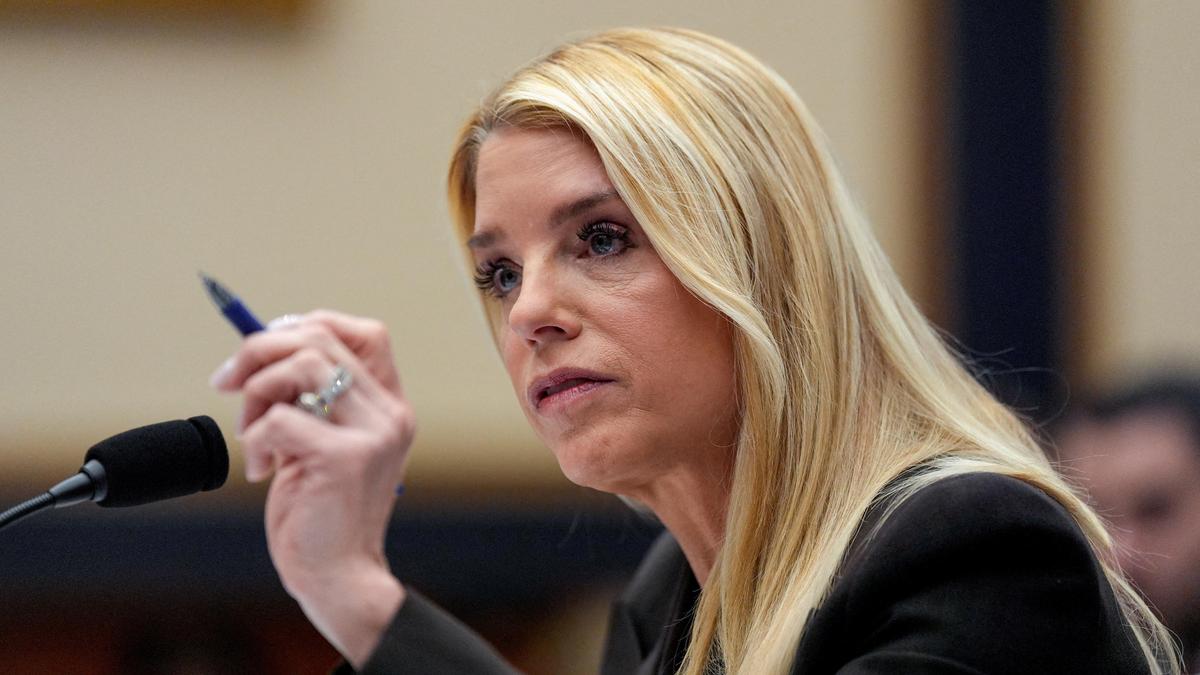
The U.S. House Committee on Oversight and Accountability just took a sledgehammer to the status quo. By voting to subpoena Florida Attorney General Pam Bondi, they've signaled that the era of "quiet files" regarding Jeffrey Epstein might be ending. This isn't just another dry procedural move in D.C. It’s a direct confrontation over a decade of unanswered questions that have festered in the Florida legal system.
If you've followed the Epstein saga, you know the frustration. We've seen years of redacted documents, sealed depositions, and a plea deal from 2008 that remains one of the most lopsided "sweetheart" arrangements in American legal history. The committee wants to know exactly what Bondi knows about those files and why certain information hasn't seen the light of day.
A Power Struggle Over Transparency
The vote wasn't just a suggestion. A subpoena is a legal mandate. The House Oversight Committee is leaning into its constitutional authority to investigate how federal and state interactions handled—or mishandled—the Epstein investigation. Bondi, who has served as Florida’s Attorney General since 2011, finds herself at the center of a storm involving records that many believe contain the names of powerful associates.
Critics often point to the "non-prosecution agreement" as the original sin of this case. While that deal was struck before Bondi took office, her tenure oversaw the management and retention of the state’s investigative materials. The House committee members are tired of the runaround. They’re looking for specific correspondence and internal memos that explain the decision-making process behind keeping these files under lock and key for so long.
It's about accountability. We're talking about a massive failure of the justice system. The public has a right to know if state officials actively protected a predator's network or if it was just bureaucratic incompetence. Neither option is particularly comforting.
The Specifics of the Bondi Subpoena
What exactly are they looking for? It's not just a general "tell us what happened" request. The committee is hunting for digital trails. They want emails, calendar entries, and internal state DOJ communications that mention Epstein or his known accomplices.
There’s a specific focus on the period following Epstein's death in 2019. When the federal case in New York reignited, Florida had a chance to open its own vaults. The committee is questioning why that process was so sluggish.
- The Grand Jury Records: For years, the 2006 Florida grand jury proceedings stayed secret. A recent law change in Florida finally allowed for some of these to be released, but the committee thinks there’s more than what was handed over to the public.
- The Victim Lists: One of the biggest points of contention involves the full scope of the victim statements. The House wants to ensure no testimony was suppressed to protect third parties.
- The Political Connections: Bondi’s own political orbit has been scrutinized. By forcing her to testify, the committee aims to clear the air—or find the smoke.
Why This Subpoena Is Different From Past Attempts
We've seen plenty of grandstanding in Congress before. Usually, these things end in a stalemate of "executive privilege" or jurisdictional whining. This time feels different because the pressure from the public has reached a boiling point. The Epstein case is the one topic that seems to unite people across the political spectrum—everyone wants the names.
The legal weight of a Congressional subpoena shouldn't be underestimated. While Bondi might fight this in court, the optics of resisting a probe into a child sex trafficking ring are horrific. Most legal experts agree that the House has a broad "legislative purpose" here. They aren't just curious; they're looking at how to reform federal oversight of state-level investigations into interstate trafficking.
Bondi has a choice. She can cooperate and potentially put to rest the rumors that her office was a bottleneck for justice. Or she can fight it, which only fuels the fire that something remains hidden in the Florida files.
The 2008 Plea Deal Shadow
You can't talk about Bondi or the Florida files without talking about Alexander Acosta and the 2008 deal. That agreement basically gave Epstein a free pass for crimes that should have landed him in prison for life. It also protected unnamed "co-conspirators."
The House committee is digging into whether any state-level officials in Florida felt pressured to honor that federal "non-prosecution" agreement even when state laws were being broken. Bondi's office inherited the aftermath of that deal. The subpoena aims to uncover if there was any internal pushback or if the state simply rolled over.
What Happens if the Files Are Actually Released
If this subpoena breaks the dam, we aren't just looking at more stories about Epstein's private island. We're looking at names, dates, and flight logs that have been scrubbed or hidden. The House Oversight Committee has the power to make these documents part of the public record during hearings.
That’s the nightmare scenario for a lot of people in high places. When the committee gets these files, they don't just sit in a drawer. They become the basis for public questioning. We could see a level of transparency that the Florida court system has successfully avoided for nearly two decades.
Reality Check on the Legal Process
Don't expect a document dump tomorrow. The legal process for a subpoena usually involves a lot of back-and-forth. Bondi’s legal team will likely move to limit the scope. They'll argue that certain records are protected by state privacy laws or that the House is overstepping its bounds.
But the momentum is against them. The committee has already voted. The paperwork is moving. The House is essentially calling Florida's bluff on their commitment to "protecting the children."
It’s messy. It’s political. But it’s also the most aggressive move we’ve seen toward actual discovery in years.
The Victim Perspective
Amidst all the talk of subpoenas and committees, the victims are still waiting. For them, every day these files stay sealed is another day of denied justice. The House Oversight Committee mentioned this during the vote—emphasizing that the "Florida Files" are essentially the property of the public and the victims who were silenced.
The testimony from Bondi could provide the context needed to understand why the system failed so spectacularly. If she can’t or won't provide those answers, the committee is prepared to move toward contempt charges. They aren't playing games this time.
Immediate Steps to Watch
Keep your eyes on the court filings in the next two weeks. That’s where the real fight happens. Bondi will either signal a date for her deposition or file a motion to quash the subpoena.
If you want to stay informed, you should check the House Oversight Committee’s official repository for the specific letter sent to Bondi. It outlines the exact documents they’re demanding. You can also look up the recent Florida legislative changes regarding grand jury secrecy, which provided the legal opening the committee is now exploiting.
This isn't just about one politician. It's about whether the legal system can be held accountable when it protects the powerful. The subpoena of Pam Bondi is the first real test of that accountability in the post-Epstein era.
To stay on top of this, track the "Committee on Oversight and Accountability" press releases. They usually post the redacted versions of the responses they receive from subpoenaed witnesses. Don't wait for the nightly news to summarize it; the raw documents often tell a much more interesting—and damning—story.