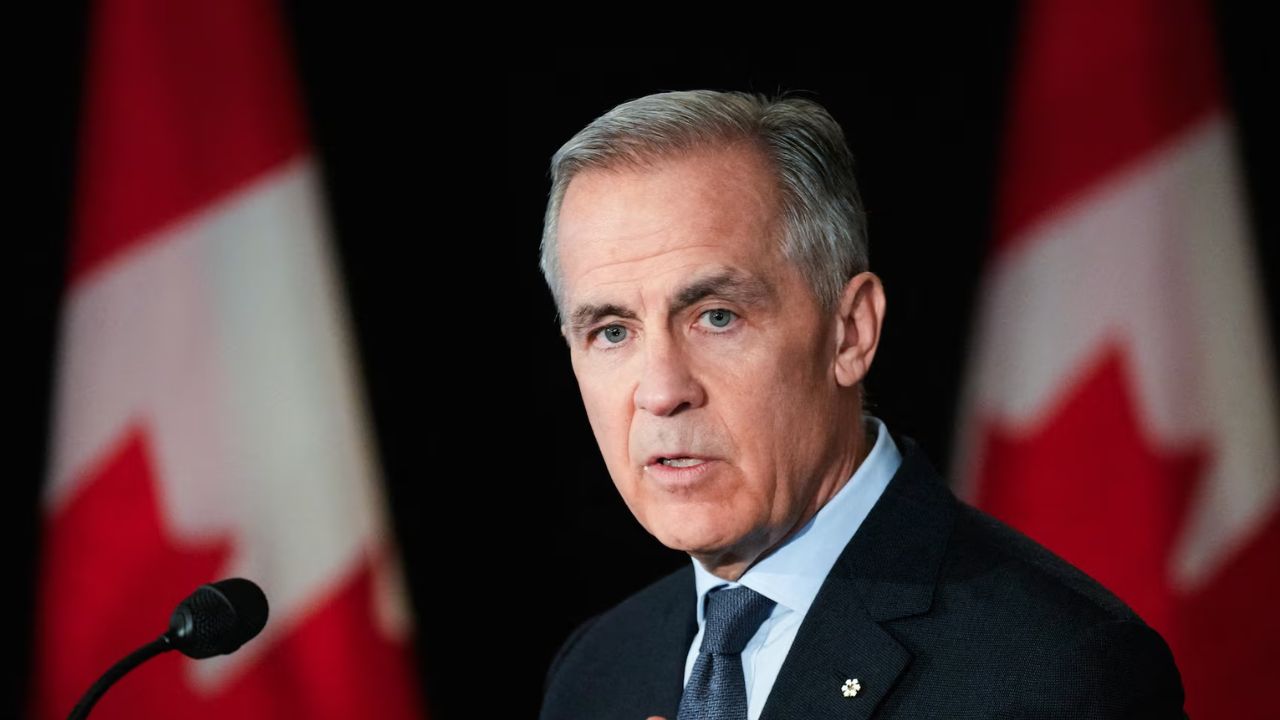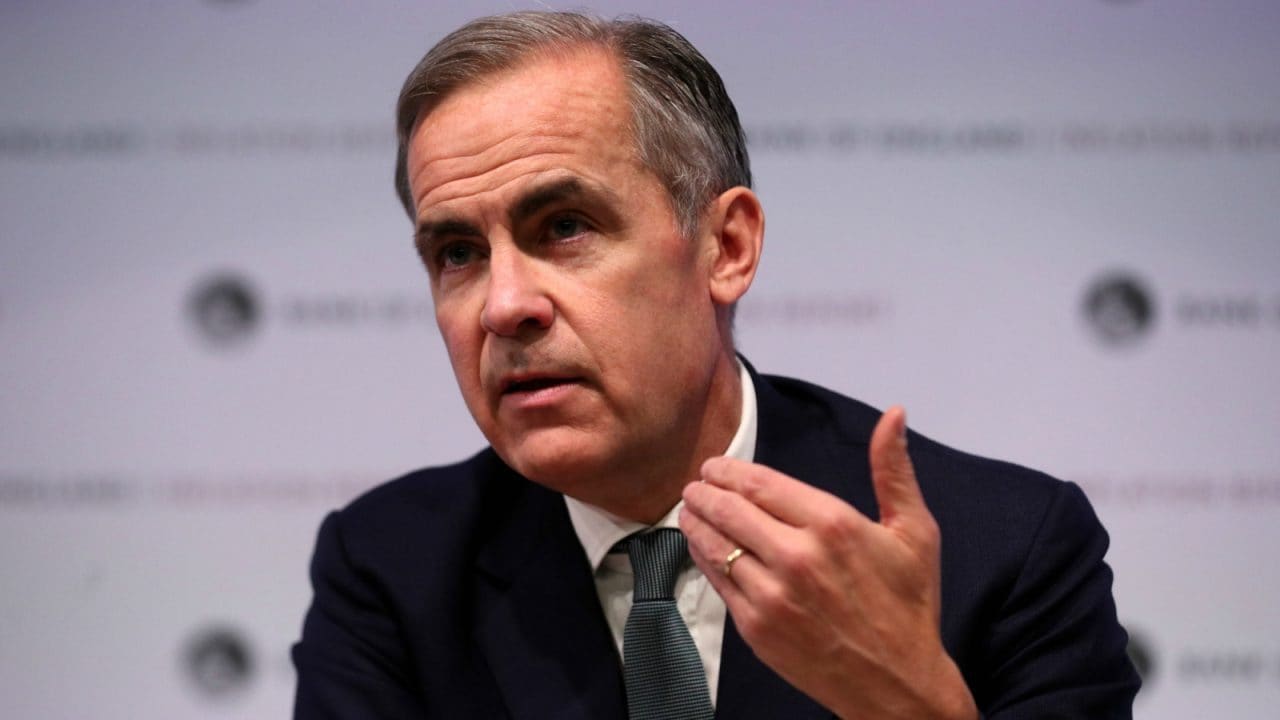
Mark Carney is not just a Prime Minister on a diplomatic tour; he is a man attempting to rewrite the physics of the Canadian economy. By landing in Mumbai this week before heading to Sydney and Tokyo, Carney is executing the most aggressive pivot in North American trade history. The goal is simple on paper and Herculean in practice: doubling non-U.S. exports within a decade to survive a Washington that has turned from a partner into a predator.
For seventy years, Canada has operated as the ultimate "convenience economy," sending the vast majority of its energy, minerals, and manufactured goods across a frictionless southern border. That era died with the return of aggressive protectionism and the 100% tariff threats currently emanating from the White House. Carney’s three-nation blitz through India, Australia, and Japan is a desperate, necessary search for a counterweight. But behind the handshakes with Narendra Modi and Anthony Albanese lies a brutal reality: Canada is attempting to court the Indo-Pacific from a position of maximum vulnerability.
The India Gambit
The stop in Mumbai and New Delhi is the riskiest leg of the journey. Relations between Ottawa and New Delhi were essentially frozen for years following high-profile diplomatic assassinations and allegations of foreign interference. Carney is now attempting a "thaw at high speed," pushing for a Comprehensive Economic Partnership Agreement (CEPA) that aims to more than double bilateral trade to $70 billion by 2030.
India wants what Canada has—specifically uranium, lentils, and coking coal—but the price of entry has changed. New Delhi is no longer interested in just buying raw materials; they want technology transfers and a seat at the table in Canada’s burgeoning AI and critical mineral sectors. Carney’s pitch revolves around "principled pragmatism," a polite way of saying that Canada is willing to overlook past diplomatic scars if it means a guaranteed market for Alberta’s energy and Ontario’s tech.
The math of this pivot is daunting. Even if Canada hits every target with India, it barely replaces 10% of the trade volume currently under threat from U.S. automotive tariffs.
The Security Shield in Australia and Japan
While India is about raw volume, the visits to Canberra and Tokyo are about survival through security. In Australia, Carney will become the first Canadian leader in two decades to address their Parliament. The subtext is clear: "Middle Power Solidarity." Both nations find themselves squeezed between a volatile U.S. and an assertive China.
By forging a trilateral tech partnership with India and Australia, Carney is trying to build a "resilient corridor" for critical minerals. If the U.S. shuts its doors to Canadian lithium or nickel under new protectionist rules, Canada needs an immediate, high-tech outlet. Australia and Japan provide the processing capacity and the capital to ensure Canada doesn't become a stranded asset in the global north.
In Tokyo, the conversation shifts to energy security. Japan is hungry for Liquefied Natural Gas (LNG) and clean hydrogen to power its industrial base. For decades, Canada promised to be a reliable supplier but failed to build the infrastructure. Carney is now betting the house that Japan’s Takaichi Sanae will value Canadian stability over cheaper, more volatile options elsewhere.
The Infrastructure of a Pivot
Diversification is a nice word for a brochure, but it requires physical hardware that Canada currently lacks. You cannot export trade diversification on a spreadsheet; you export it on a tanker.
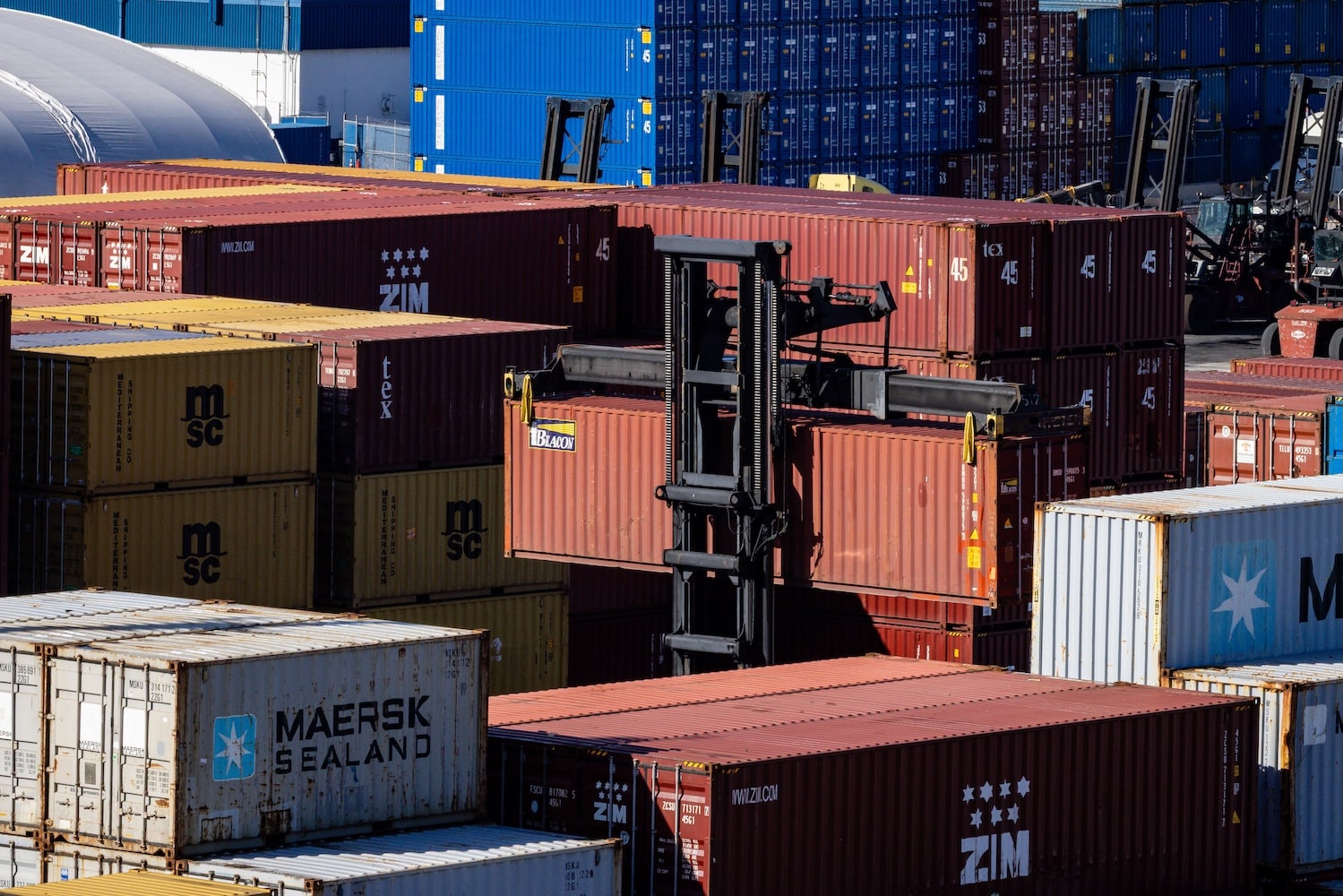
- The Port Problem: Canada’s West Coast ports are currently operating near capacity. Expanding trade with Japan and India requires a massive, multi-billion-dollar overhaul of rail and port infrastructure that will take years, not months.
- The Regulatory Drag: While Carney talks about "unleashing $1 trillion in investment," Canada remains one of the slowest jurisdictions in the G7 for permitting new mines and energy projects.
- The U.S. Retaliation: This is the "hidden" risk. Every step Carney takes toward Tokyo or New Delhi is viewed with suspicion in Washington. The 100% blanket tariff threat isn't just a campaign slogan; it is a live weapon aimed at preventing Canada from forming a truly independent trade bloc.
Breaking the 51st State Gravity
For the veteran analyst, the question isn't whether Carney can sign MOUs in Mumbai. The question is whether Canadian industry is actually capable of looking away from the south. Currently, nearly 75% of Canadian exports go to one country. That level of concentration isn't a partnership; it’s a dependency.
Canadian pension funds and private capital have actually increased their investments in the U.S. over the last two years, drawn by the massive subsidies of the American industrial policy. Carney is essentially asking Canadian CEOs to ignore the immediate gravity of the U.S. market in favor of the more complex, culturally distant markets of the Indo-Pacific.
This isn't just about trade; it’s about sovereignty. If Carney fails to secure these "dense webs" of new connections, Canada faces a future as a resource-rich satellite of a protectionist United States, subject to every whim of a transactional White House.
The trip to India, Australia, and Japan is the opening salvo in a fight to prove that Canada is still a G7 power, rather than just a Northern branch plant. The clock is ticking, and the tariffs are already landing.
Ask your local representative for the specific timelines on the CEPA negotiations and the progress of the West Coast port expansions to see if the reality matches the rhetoric.