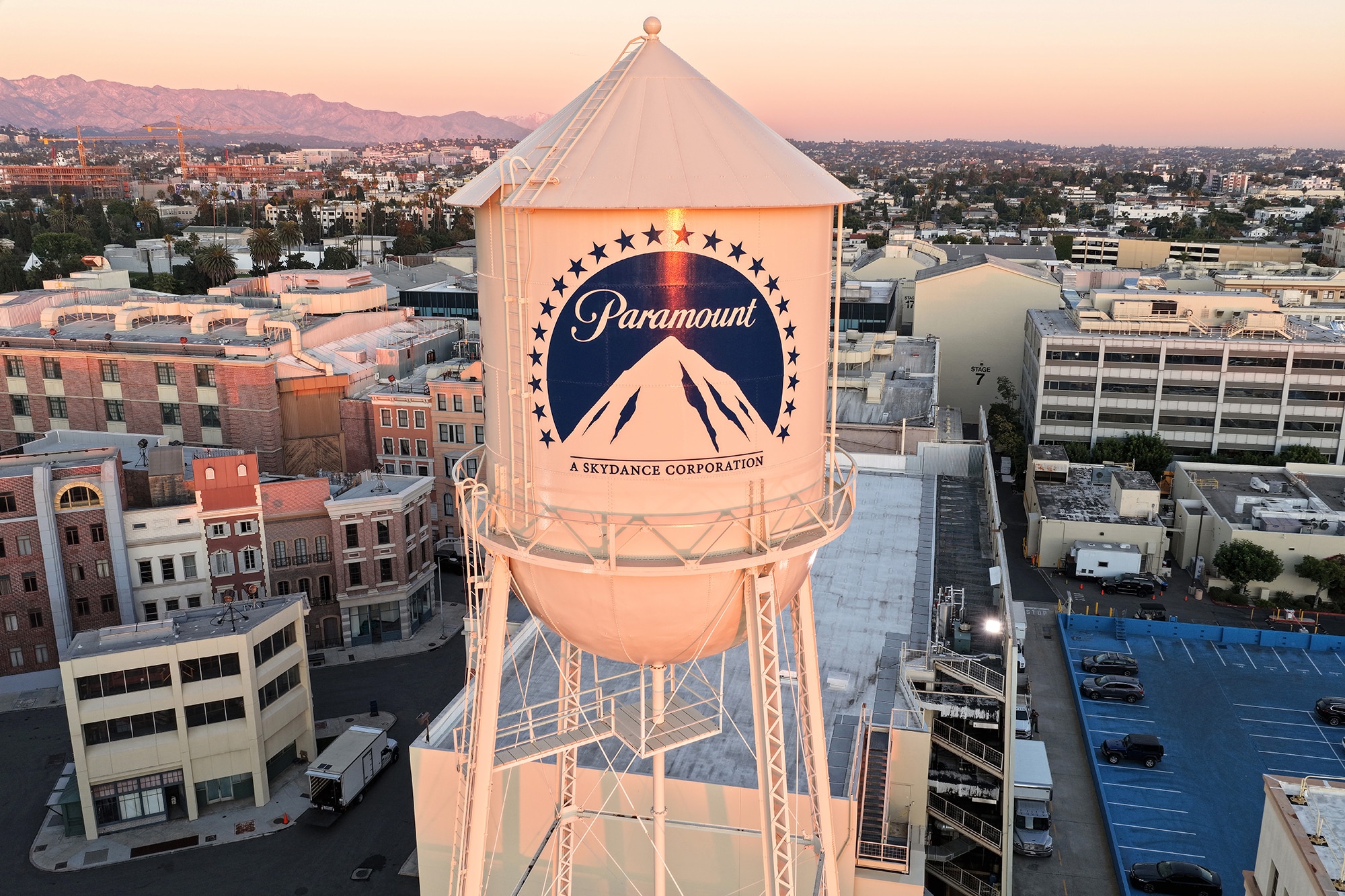
Paramount just upped the ante in a move that signals either extreme desperation or a brilliant last stand for legacy media. The company submitted a significantly higher offer to acquire or merge with Warner Bros. Discovery, a play that effectively forces the board's hand. This isn't just another corporate handshake. It’s a seismic shift in how we’ll consume movies and TV for the next decade. If you think this is just about two logos joining forces, you're missing the bigger picture of the streaming wars.
The numbers are staggering. We’re looking at a revised valuation that pushes the deal into a territory most analysts thought Paramount couldn't afford. But here’s the reality. Shari Redstone and the Paramount leadership realize that standing alone is no longer an option. The mid-sized studio is a dying breed. You're either a titan like Disney or Netflix, or you're lunch. By chasing Warner Bros. Discovery, Paramount is trying to become the hunter rather than the prey.
The Math Behind the New Paramount Bid
Most people get the financial logic wrong. They see a higher price tag and assume it’s a win for Warner shareholders. It might be, but the debt load is the real story here. Warner Bros. Discovery is already buried under a mountain of leverage from the original Discovery merger. Paramount adding more cash to the pile sounds great on paper, but it creates a balance sheet that would make even the most aggressive private equity firm sweat.
I’ve watched these media plays for years. The "synergy" promised in these deals rarely hits the bottom line as fast as promised. Paramount is betting that the combined library—think Star Trek meeting Harry Potter and Yellowstone sitting next to Succession—is the only way to stop the churn that's killing streaming profits. They need scale. They need it yesterday.
The revised offer reportedly includes a higher cash component, moving away from the all-stock structures that previously stalled talks. This matters because Warner's biggest institutional investors are tired of "wait and see" equity plays. They want liquidity. They want a guaranteed exit if the combined "Max-Paramount+" experiment fails to launch.
Why the FTC Might Actually Kill This Deal
Don't pop the champagne yet. Even if the boards agree, the regulatory environment in 2026 is a minefield. The Federal Trade Commission (FTC) has become increasingly hostile toward "vertical integration" and "horizontal consolidation" in the media space. You’ve got two of the "Big Five" storied movie studios trying to become one. That’s a massive reduction in competition for theatrical distribution.
The Department of Justice and the FTC look at more than just ticket prices. They look at the monopsony power over talent. If Paramount and Warner merge, there’s one less door for directors, writers, and actors to knock on. That suppresses wages and limits the variety of stories that get told.
- Market Share: A combined entity would control nearly 30% of the domestic box office.
- Streaming Dominance: They would own a library that rivals Disney Plus in sheer volume.
- Sports Rights: This is the sleeper issue. Combining CBS Sports with TNT/TBS (WBD) creates a monster that could outbid anyone for NFL or NBA packages.
The Streaming Ghost Town Problem
Let’s be honest. Nobody wants five different apps. The fatigue is real. Paramount+ has some hits, but it struggles with "one-hit wonder" syndrome. People subscribe for Yellowstone and then cancel the second the season ends. Warner’s Max has the prestige, but it’s been plagued by branding identity crises.
Combining them creates a "must-have" service. It's the only way to compete with the sheer engineering lead Netflix holds. Netflix isn't just a content company; it's a tech company. Paramount and Warner are still trying to figure out how to make an app that doesn't crash on a smart TV from 2021.
By merging, they can pool their R&D budgets. They can finally build an interface that doesn't feel like a relic from the DVD era. But the risk is high. If they mess up the migration—if users lose their watchlists or the price jumps to $25 a month overnight—they’ll see a mass exodus that no amount of Batman spin-offs can fix.
What This Means for Your Monthly Subscription
If you’re a consumer, start bracing your wallet. These deals aren't built to save you money. They're built to extract it. The "higher offer" Paramount is dangling has to be paid back somehow. That usually happens through two avenues: ads and price hikes.
We’ve already seen the "Ad-Lite" tiers become the industry standard. Expect the combined Paramount-Warner entity to push these even harder. They want that recurring ad revenue because it’s more stable than fickle monthly subscribers.
Content Bloodbaths are Coming
Expect your favorite niche shows to disappear. When these companies merge, they do a "content audit." If a show isn't driving massive new sign-ups, it gets vaulted for a tax write-off. We saw it when Discovery took over Warner, and we’ll see it again here, but twice as brutal. They'll trim the fat to pay off the debt incurred by this new, higher bid.
I've talked to producers who are terrified of this deal. Less competition means less risk-taking. We might get Mission Impossible 15 and Dune 4, but the weird, mid-budget original movie is effectively dead in this ecosystem.
How to Position Your Portfolio for the Merger
If you're holding stock in either company, don't get greedy. These merger pops are often short-lived. The "higher offer" from Paramount creates a floor for the stock price, but the execution risk is astronomical.
Watch the credit markets. If the interest rates on the debt used to fund this deal start creeping up, the "win" for shareholders will evaporate. The real winners in these scenarios are usually the advisors and the debt holders, not the retail investors hoping for a moonshot.
Pay attention to the "breakup fee." If Paramount has offered a massive fee in case the deal is blocked by regulators, that’s a huge red flag. It shows they know the FTC is going to fight them tooth and nail.
Keep a close eye on the SEC filings over the next forty-eight hours. The specific language around "divestitures" will tell you exactly what they're willing to sell off to make this happen. If they're ready to dump CNN or the Paramount lot in Hollywood, they're truly desperate to get this over the finish line.
Check your current streaming renewals. If you’re on an annual plan for either service, you might want to hold off on renewing until the roadmap for the combined app is clear. You don't want to be locked into a dying platform while all the good content migrates elsewhere. Monitor the trade publications like Variety and The Hollywood Reporter for the inevitable "internal memo" leaks that usually precede the official signatures.