The Supreme Court just pulled the rug out from under the White House, but if you thought the trade wars were over, you haven't been paying attention. On February 20, 2026, the highest court in the land ruled that the president can't just slap universal tariffs on everything using the International Emergency Economic Powers Act (IEEPA). It was a massive legal blow. Within hours, the administration pivoted to "Plan B," and honestly, it's going to make the next five months a logistical nightmare for every business importing goods into the United States.
The new strategy relies on an obscure bit of law called Section 122 of the Trade Act of 1974. It allows for a temporary surcharge to deal with "serious balance-of-payments deficits." It's a stopgap. It’s clunky. And because it has a built-in expiration date, we're staring down a summer of massive price swings and supply chain whiplash.
The Section 122 Surcharge is a Five Month Timer
The administration didn't miss a beat after the court ruling. They immediately announced a 10% baseline tariff on almost all imports, which the president then threatened to bump to 15% via social media just a day later. This isn't just a rename of the old tax. This specific law has a hard limit: it only lasts for 150 days.
That means by July 24, 2026, these tariffs vanish unless Congress votes to keep them alive. Don't bet on that happening smoothly in an election year. What you're actually looking at is a chaotic "bridge" period. The White House is using these 150 days to scramble and launch new investigations under Section 301 (unfair trade practices) and Section 232 (national security). They're trying to build a new legal wall before the current one crumbles in July.
Why this hits your pocketbook differently
Under the old IEEPA rules, the administration could target specific countries with surgical precision. Section 122 is more of a sledgehammer. It’s designed to be "nondiscriminatory," meaning it hits everyone. If you’re a small business owner who thought your European or Japanese suppliers were safe because of recent trade deals, think again.
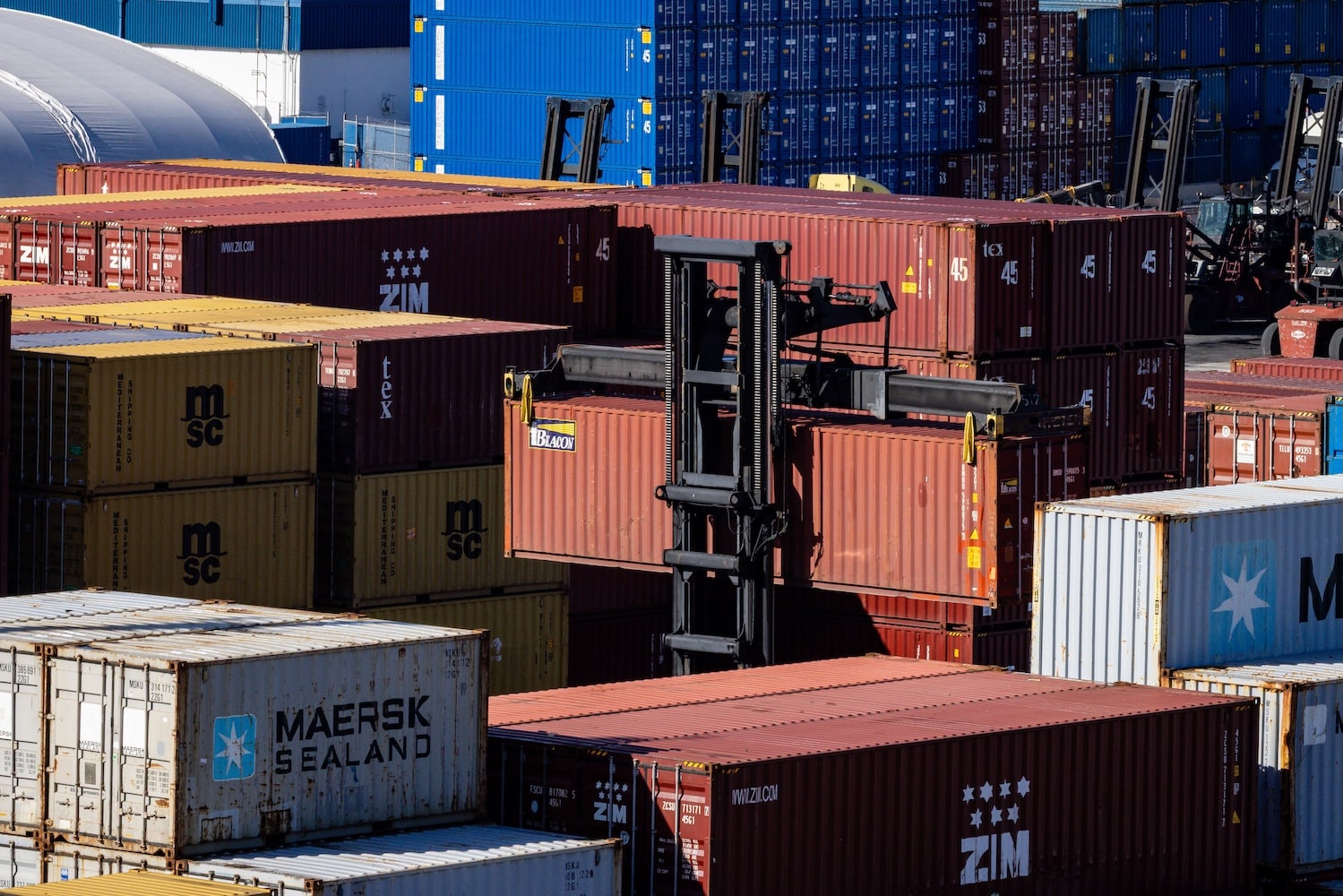
The Tax Foundation estimates this new 10% surcharge applies to roughly $1.2 trillion in annual imports. Even with the "Learning Resources" court victory, the average U.S. household is still looking at a tax burden of $200 to $600 just from this temporary measure. That’s on top of the Section 232 tariffs on steel, aluminum, and semiconductors that are still very much in effect.
The Refund War is Just Beginning
Here’s where things get really ugly. Since the Supreme Court ruled the previous IEEPA tariffs were illegal, there’s about $175 billion in collected duties sitting in the government's pocket that shouldn't be there. Every importer in the country wants their money back.
The White House has already signaled they aren't going to just mail out checks. They’ve basically told companies: "See you in court." This means:
- Customs and Border Protection (CBP) stopped collecting the old duties on February 24, but they aren't processing automatic refunds.
- Importers likely have to file individual lawsuits in the Court of International Trade.
- The administration is betting that the new Section 122 revenue will "offset" what they might eventually have to pay back years from now.
It's a classic stall tactic. For a mid-sized company with millions tied up in illegal duties, the "victory" at the Supreme Court feels pretty hollow when the cash is still stuck in Washington.
The product categories to watch
Not everything is getting hit. The February 20 Proclamation included a list of exemptions that look suspiciously like the old ones. If you're dealing in these, you might breathe a little easier:
- Critical minerals and rare earths.
- Fertilizers and certain agricultural staples like beef and oranges.
- Pharmaceuticals and their active ingredients.
- Specific high-tech electronics and aerospace parts.
But for everyone else—from clothing retailers to furniture makers—the 10% to 15% tax is live right now.
A Summer of Uncertainty
The real danger isn't just the 15% tax; it’s the lack of a long-term plan. Businesses can’t price their products for the autumn or winter because nobody knows what happens on July 25. Will the administration find a way to "re-impose" the Section 122 tax for another 150 days? Will the Section 301 investigations into China and Mexico finish in time to replace the surcharge?
We're moving into a period of "managed trade" where deals are made month-to-month. The UK, Japan, and Canada are all back at the negotiating table because their previous exemptions were tied to a legal framework that no longer exists.
If you're managing a supply chain or a retail budget, stop waiting for "normal" to return. The next five months are a transition to a new, more fragmented system where the legal basis for trade can change with a single social media post or a lower court injunction.
Review your current shipping manifests and flag any entries made before February 24 for potential refund litigation. At the same time, adjust your Q3 pricing models to assume the 10% surcharge stays in place—or gets replaced by something even more aggressive. The bridge to July is rickety, and you don't want to be the one falling through the cracks when the timer runs out.