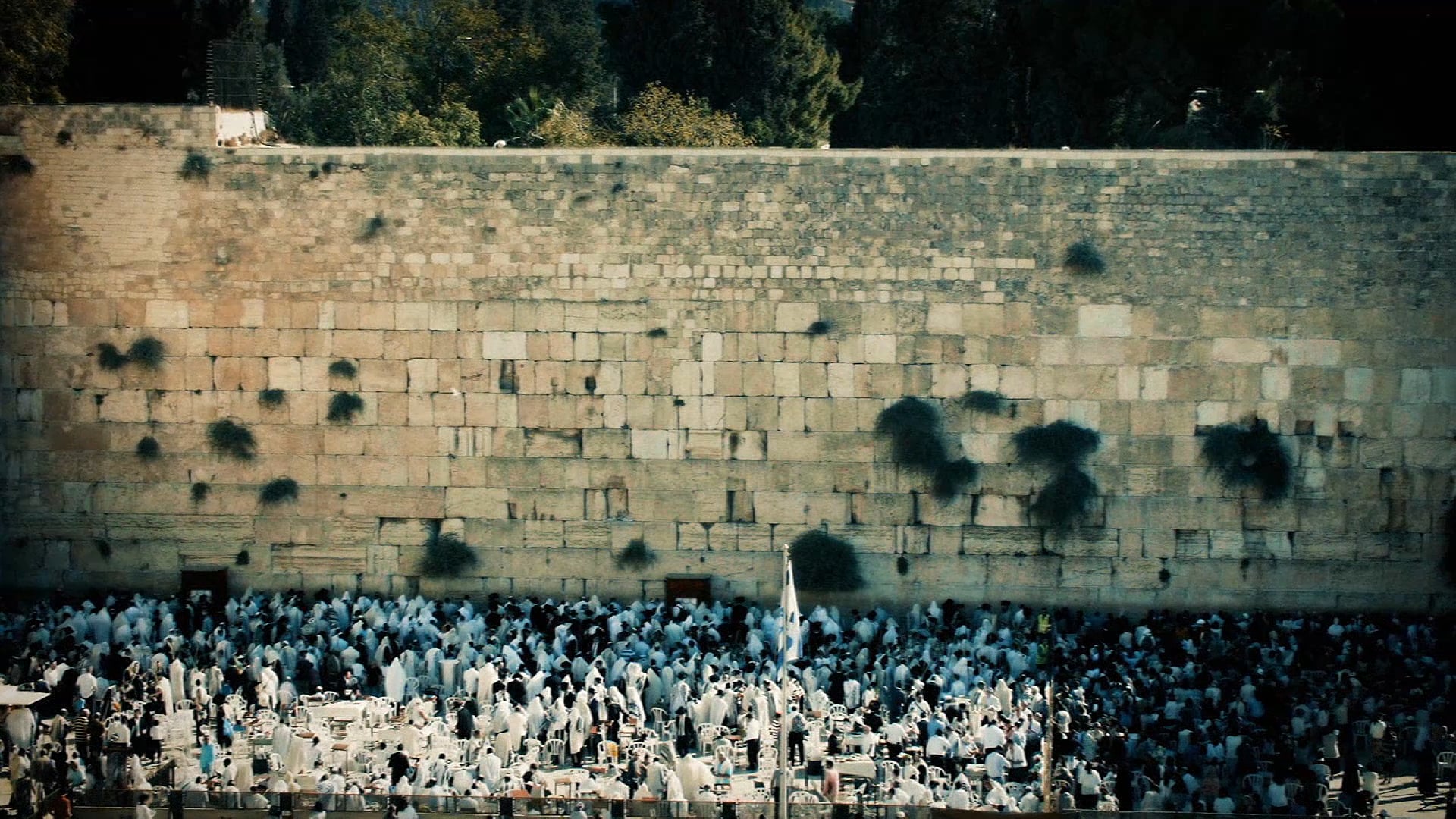
You’re standing in a bustling market in Tel Aviv, or maybe a small cafe in Jerusalem. You reach for your wallet, worrying about exchange rates, hidden credit card fees, or whether you have enough shekels. Then you see it: a familiar QR code. You scan, enter your PIN, and the payment's done in seconds. This isn't a futuristic dream. It's the reality hitting the ground right now.
Prime Minister Narendra Modi’s recent visit to Israel has changed the game for how Indians spend money abroad. During high-level talks with Prime Minister Benjamin Netanyahu, a massive announcement was made: the Unified Payments Interface (UPI) is officially entering the Israeli market. This isn't just another diplomatic handshake. It's a direct bridge between your Indian bank account and the Israeli economy.
The Deal Between NPCI and MASAV
This agreement didn't just happen in a vacuum. It’s the result of a serious partnership between NPCI International Payments Limited (NIPL) and MASAV, Israel's interbank payment operator. By linking India’s UPI with Israel’s domestic payment infrastructure, the two nations are essentially cutting out the middleman.
Honestly, we’ve seen this coming. UPI has already footprinted itself in the UAE, Singapore, France, and Sri Lanka. Israel joining this list is a huge win. The technical side is straightforward: MASAV handles the heavy lifting of clearing and settlement in Israel, while UPI provides the front-end ease we use every day at our local grocery store.
Beyond Just Scanning QR Codes
While tourists get the immediate "cool factor," the real meat of this agreement is in the economic plumbing. If you’re an Indian professional working in Israel’s booming tech sector or part of the 50,000-strong workforce expected to move there over the next five years, this is about remittances.
Sending money home usually feels like highway robbery. Banks and private transfer services take a cut of the exchange rate and then slap on a "convenience fee." The UPI-MASAV link aims to create a low-cost corridor. It means more of your hard-earned money actually reaches your family back in India.
Why this matters for business
- Lower Transaction Costs: Small businesses don't have to eat 3% credit card processing fees.
- Instant Settlement: No waiting days for international wires to clear.
- Transparency: You see the exact exchange rate before you hit "pay."
A Special Strategic Partnership for the 2020s
This trip wasn't just about payments, though UPI stole the headlines. The relationship has been upgraded to a "Special Strategic Partnership for Peace, Innovation, and Prosperity." That’s a mouthful, but the details are actually impressive.
They signed 17 different agreements. We’re talking about everything from AI-driven security to "Villages of Excellence" in agriculture. Israel is a global leader in water management and desalination—tech that India desperately needs as our cities grow. In return, India offers the massive scale and talent pool that Israeli startups crave.
What Most People Miss About the FTA
While everyone talks about the digital payments, keep an eye on the Free Trade Agreement (FTA) negotiations. The first round concluded right alongside the UPI announcement. Trade between the two countries has been a bit lopsided lately, hovering around $3.62 billion. An FTA would slash duties on things like Israeli high-tech equipment and Indian agricultural products.
If you think electronics or specialized machinery are expensive now, wait until those trade barriers drop. The goal is to diversify trade way beyond the traditional "diamonds and chemicals" bucket.
The Reality Check on Security
You can't talk about Israel without talking about security. PM Modi was very direct here. He made it clear that India’s interests are tied to stability in the Middle East. This visit involved serious talk about the India-Middle East-Europe Economic Corridor (IMEC).
This is a massive infrastructure project meant to bypass traditional, slower trade routes. It links Indian ports with Israel’s Haifa port, then moves goods into Europe. UPI integration is the digital layer that makes this physical corridor work. You can't move goods at lightning speed if the money is stuck in 20th-century banking red tape.
Key Takeaways from the 2026 Visit
- UPI Integration: Real-time payments and cheaper remittances via MASAV.
- Labor Mobility: 50,000 Indian workers to join Israel’s manufacturing and service sectors.
- Defense Tech: Shifting from "buying" to "jointly producing" military hardware.
- Critical Tech: New NSAs-led initiative on AI, quantum computing, and semiconductors.
How to Prepare for Your Next Trip
If you’re planning to visit Israel later this year, don't rush to the currency exchange counter at the airport. Check with your bank to ensure your UPI app is enabled for international merchant payments. Most major apps like PhonePe, Google Pay, and BHIM will likely have a simple toggle in the settings.
The integration is rolling out across major tourist hubs first—think Jerusalem, Tel Aviv, and Haifa. It’s a good idea to keep some cash for the smaller, rural spots, but for most of your travel needs, your phone will be enough. This is how the "Viksit Bharat" vision actually looks in practice—Indian tech working flawlessly on foreign soil.
Stop carrying bundles of cash and worrying about card clones. The QR code is the new global currency.
If you're interested in how this changes your next vacation, you might want to look into which Indian banks are currently offering the best exchange rates for UPI international transactions.