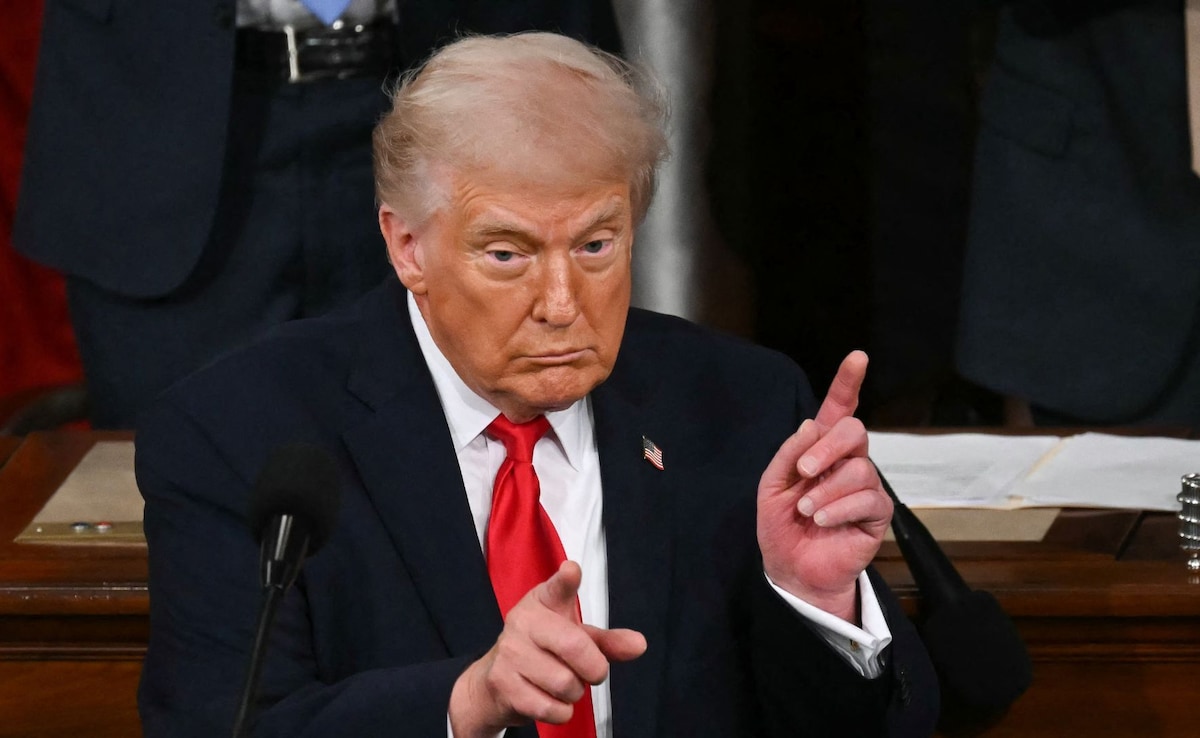
The White House just dropped a list that reads more like a countdown than a press release. It turns out the administration tracked exactly 74 times that Donald Trump warned Tehran about its nuclear ambitions before the missiles started flying. If you're looking for the "why" behind the current smoke rising over Tehran, this is it. The message wasn't subtle, and it certainly wasn't hidden.
We’re currently three days into Operation Epic Fury, a joint US-Israeli campaign that has already fundamentally reshaped the Middle East. While critics call the strikes a sudden escalation, the White House is using these 74 documented warnings to paint a different picture: a president who gave the "number one sponsor of terror" every possible chance to walk away from the brink.
The 74 Warnings That Predicted the War
The White House list isn't just a collection of tweets. It’s a chronological trail of "red lines" that began long before Trump’s second term. The citations go back as far as June 2024, showing a consistent, almost rhythmic demand: no nuclear weapons, no enrichment, no excuses.
By the time the February 2026 deadline arrived, the rhetoric had shifted from diplomatic pressure to "really bad things will happen." On February 19, Trump stood before his Board of Peace and gave Iran a 10-day window. They didn't take it. Instead, the regime doubled down on enrichment and cracked down on internal protesters, killing thousands.
Honestly, the sheer volume of warnings suggests the White House was building a legal and public relations case for months. They wanted to ensure that when the "Epic Fury" began, no one could claim they weren't told.
What the Strategy Actually Targeted
When the strikes finally hit on February 28, they didn't just clip Iran’s wings—they aimed for the head. Reports now confirm that a "decapitation strike" in Tehran killed Supreme Leader Ali Khamenei along with the country’s top defense officials.
The military objectives were clear and, according to Trump, have been largely met within the first 72 hours:
- The Navy: "Annihilated," according to the President. Sunk vessels include an Alvand-class frigate and a Jamaran-class corvette.
- Air Defenses: The Tabriz network and air detection systems are reportedly "knocked out."
- Nuclear Infrastructure: While the IAEA says major installations haven't been leveled yet, the US claims "Midnight Hammer" in 2025 and the current strikes have decimated the capability to weaponize.
More Than Just Nuclear Sites
If you think this is only about centrifuges, you're missing the bigger play. This isn't a "limited strike" like we’ve seen in decades past. The administration is openly talking about regime change.
Trump has been telling the Iranian people that "help is on the way" and that "the hour of your freedom is at hand." It’s a gamble. By dismantling the IRGC’s command and control, the US is betting that the internal protests—which have been simmering since January—will boil over into a full-blown revolution.
Vice President JD Vance has tried to calm fears of a "forever war," claiming these are "tailored, overwhelming" strikes designed to avoid the mistakes of the early 2000s. But with the Strait of Hormuz effectively closed and oil prices swinging wildly, "limited" is a relative term.
The Global Fallout
It’s not just the US and Iran in the ring. Israel is currently dealing with retaliatory strikes in Tel Aviv and Haifa. Hezbollah has entered the fray from Lebanon, prompting Israel to move ground troops into southern Lebanon.
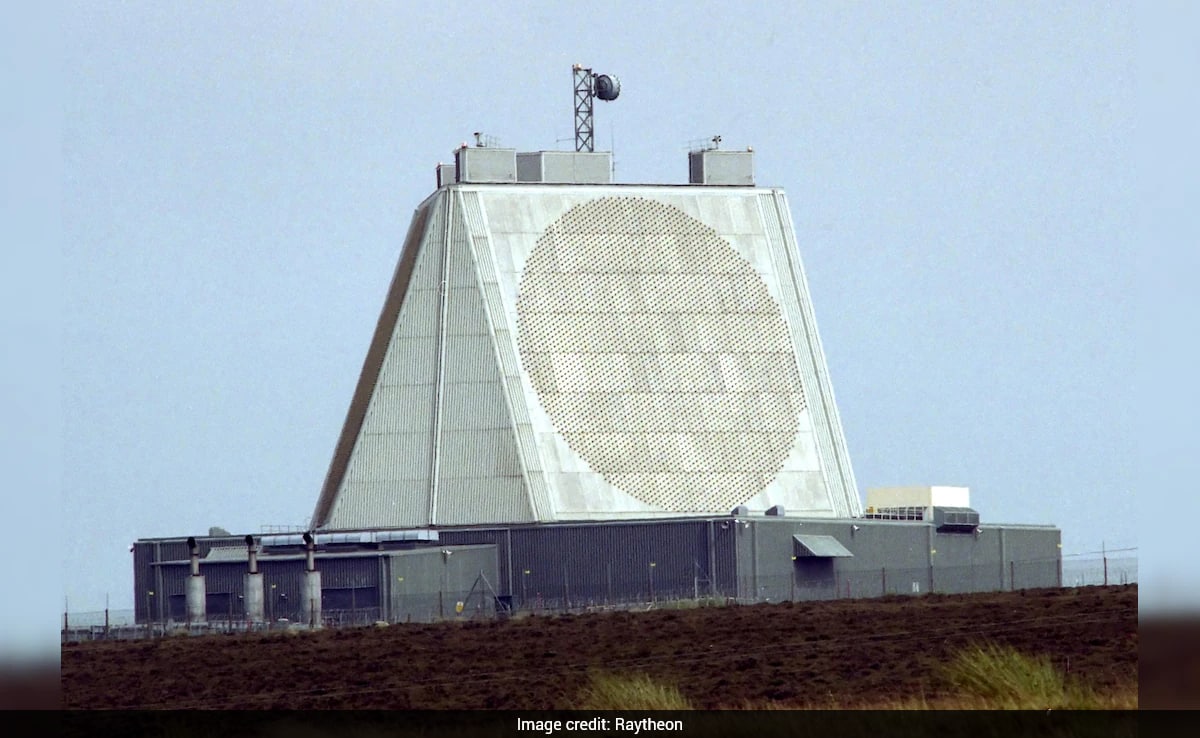
Meanwhile, US bases in Qatar, Kuwait, and the UAE have come under fire. The UK has jumped in too, allowing B-52 and B-1 bombers to fly missions from British bases. It’s a massive, coordinated effort to strip the Islamic Republic of its ability to project power.
Why the "74 Warnings" Matter Now
The reason the White House released this specific number—74—is to counter the inevitable "unprovoked" narrative at the UN. By documenting every time Trump said "don't do it," the administration is shielding itself from domestic and international backlash.
They’re saying: "We didn't choose this. We warned them 74 times. They chose to ignore us."
It’s a "Peace Through Strength" mantra taken to its logical, violent conclusion. Whether you agree with the intervention or not, you can't say the administration didn't telegraph its move. The real question is what happens on Day 5, Day 10, and Day 30. Trump says the "big scale hitting" is happening now.
If you're tracking the situation, watch the internal movement in Iran. The military infrastructure is crumbling, but the regime’s survival now depends on whether the Basij and regular army units stay loyal or if the "74 warnings" were actually the preamble to a new Iranian government.
Keep a close eye on the Strait of Hormuz. If the US can't keep the oil flowing while the strikes continue, the economic pressure might hit Washington as hard as the missiles hit Tehran.