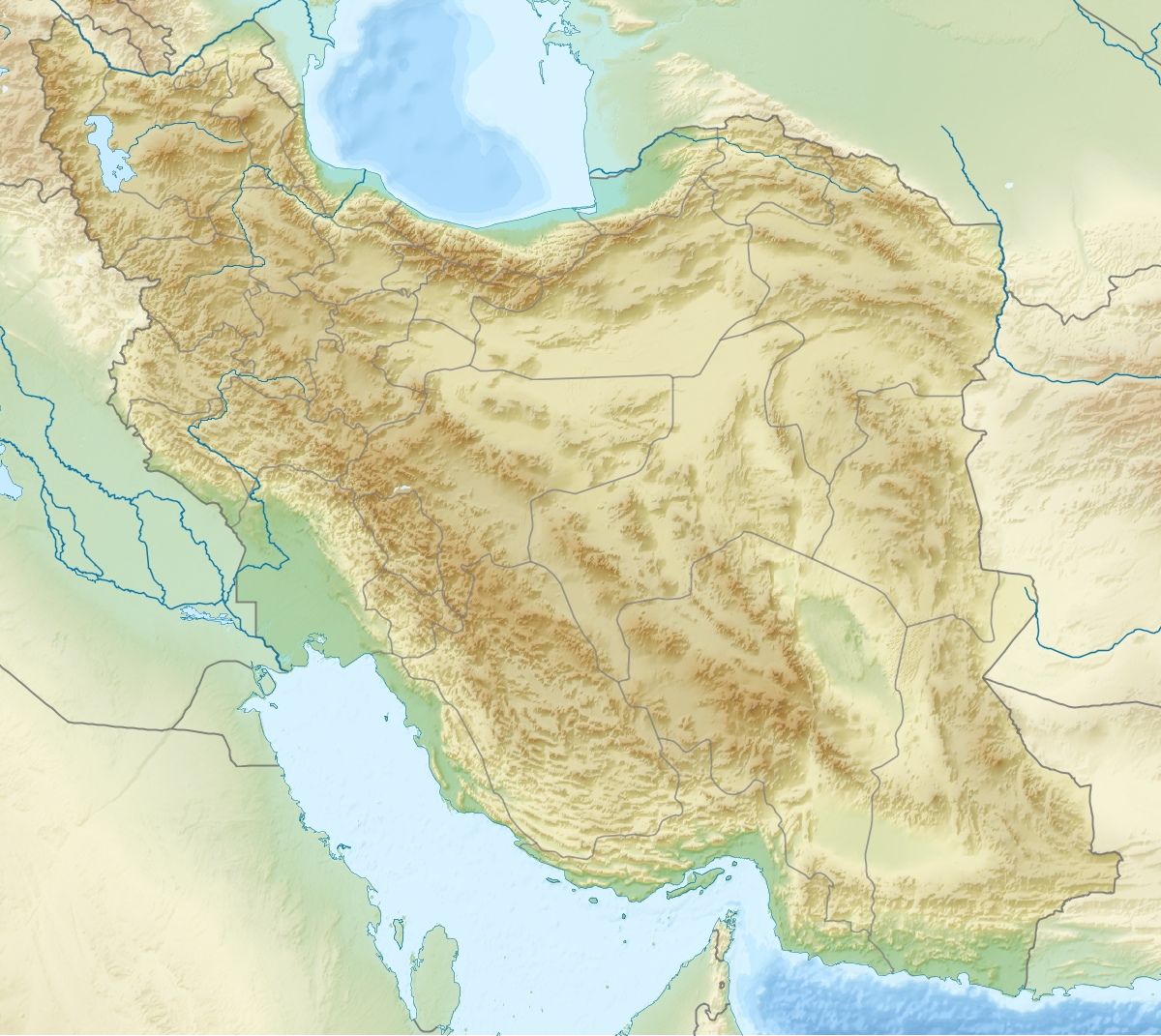
The pre-dawn silence in Tehran shattered on the fifth day of a conflict that has rapidly outpaced every diplomatic effort to contain it. Multiple explosions rocked the Iranian capital’s western and southern corridors, targeting what appear to be missile production facilities and air defense batteries. This is no longer a shadow war of proxies and maritime harassment. We are witnessing the raw, kinetic reality of a direct military confrontation between Israel, the United States, and the Islamic Republic. The strategic ambiguity that kept this powder keg from exploding for decades has evaporated, replaced by a cycle of escalation that neither side seems capable of exiting without a total victory or a total collapse.
The strikes follow a series of ballistic missile exchanges that have fundamentally altered the geography of risk in West Asia. For years, the prevailing wisdom among intelligence circles was that Iran’s "ring of fire"—its network of regional militias—would serve as a sufficient deterrent against a direct assault on its soil. That theory is currently being dismantled in real-time. The sophistication and depth of the current aerial campaign suggest that the U.S. and Israel are not merely aiming for a symbolic "message" strike. They are systematically eroding the Islamic Revolutionary Guard Corps' (IRGC) ability to project power beyond its borders.
The Failure of the Proxy Shield
Iran’s security doctrine has long relied on the idea of forward defense. By funding and arming groups in Lebanon, Iraq, Yemen, and Gaza, Tehran ensured that any conflict would be fought on Arab land rather than Iranian soil. However, the sheer intensity of the current five-day war has overwhelmed these non-state actors. Hezbollah’s command structure is reeling, and the Houthi movement’s attempts to close the Red Sea have triggered a massive naval counter-offensive that has degraded their launch capabilities.
When the shield breaks, the sword strikes the heart. With the proxy network distracted or degraded, the Israeli Air Force, likely supported by U.S. logistical and intelligence assets, has found the path to Tehran remarkably clear. The "loud explosions" reported by residents are the sound of a doctrine failing. Iran's integrated air defense system, much of it built on aging Russian hardware and domestic iterations of the S-300, has struggled to intercept the latest generation of low-observable munitions.
Economic Paralysis and Internal Pressure
While the military hardware captures the headlines, the real damage is being done to the Iranian state's viability. The rial has plummeted to new record lows against the dollar as the prospect of a prolonged war sinks in. In the bazaars of Tehran and Isfahan, the mood is one of grim realization. This is not 1980, and the Iranian people are not the unified nationalist force they were during the eight-year war with Iraq.
Decades of corruption, systemic economic mismanagement, and social repression have created a massive gap between the clerical leadership and the youth who are expected to fight. The IRGC now finds itself fighting a war on two fronts: an external air campaign and an internal crisis of legitimacy. The suddenness of the explosions in Tehran serves as a psychological shock that the government’s propaganda machine has yet to effectively counter.
The U.S. Factor
The Biden administration, which for years sought to revive the nuclear deal and contain Iran through diplomatic channels, has pivoted sharply toward a posture of overwhelming force. The presence of two carrier strike groups and land-based squadrons of F-22s and F-35s in the region has signaled that the United States is no longer content to play the role of the reluctant observer.
The Pentagon’s calculus has shifted. The fear that a direct strike on Iran would trigger a global energy crisis and a massive retaliatory wave has been weighed against the danger of a nuclear-capable Iran. The decision to participate in these five days of intense strikes indicates that the "containment" model is officially dead. The current objective appears to be the permanent degradation of Iran's missile and drone production lines.
Red Lines and Miscalculations
Miscalculation is the primary driver of the current escalation. Tehran likely believed that its massive October ballistic missile barrage would force Israel to back down, much like its April strike did. Instead, it triggered a response that has ignored all previous "rules of the game." Israel’s war cabinet, bolstered by American munitions and political backing, has opted for a maximalist approach. They are not hitting warehouses in Syria; they are hitting the nerve centers of the Iranian state.
The danger of this approach lies in the "use it or lose it" dilemma. As Iran’s conventional capabilities are chipped away, the IRGC may feel backed into a corner where its only remaining deterrent is the ultimate one: its nuclear program. This is the nightmare scenario that the five-day war has brought to the forefront of global security.
Strategic Consequences for the Middle East
The shockwaves from Tehran are being felt in every regional capital. The Gulf monarchies, particularly Saudi Arabia and the UAE, are watching with a mixture of quiet approval and intense trepidation. A neutered Iran would remove their primary security threat, but a collapsing Iran would create a power vacuum that could destabilize the entire region for a generation.
The Abraham Accords, once seen as a fragile diplomatic experiment, have been stress-tested by this conflict. The intelligence-sharing and regional cooperation that helped intercept hundreds of drones and missiles over the past week have proven their value. The map of the Middle East is being redrawn by fire, and the old order is being scorched away.
The Looming Infrastructure War
As the conflict enters its second week, the focus is likely to shift from military targets to critical infrastructure. If Iran attempts another massive counter-strike, the response will likely target its oil terminals and refinery complexes at Kharg Island. Taking the Iranian oil industry offline would be a death blow to the regime's finances, but it would also send global oil prices into an unpredictable spiral.
The current strikes on Tehran are the opening act of a much larger drama. The world is watching to see if the Iranian leadership will choose to climb down and seek a humiliating de-escalation or double down and risk total regime collapse. The "loud explosions" heard this morning suggest that for the U.S. and Israel, the time for nuance has passed. They are betting that they can break the IRGC’s back before the IRGC can set the region on fire.
The question is no longer when the war will start, but how it can possibly end. The fifth day has proven that the old boundaries of conflict are gone. The next five days will determine if there is anything left of the Iranian security state to negotiate with. The explosions in the Tehran night are not just the sound of war; they are the sound of a regional order being rebuilt by force.