Hundreds of Indian medical students are currently trapped in the crossfire of a deteriorating regional conflict after a forced relocation from Tehran to Qom placed them directly in the path of recent aerial strikes. What began as a logistical shift by university administrations has devolved into a humanitarian crisis, with students reporting proximity to explosions and a complete breakdown in their sense of safety. As the All India Medical Students’ Association (AIMSA) ramps up pressure on the Ministry of External Affairs, the situation exposes a systemic failure in how Indian nationals are protected—or ignored—when geopolitical tensions boil over.
The shift to Qom was sold as a safety measure. It wasn't. By moving students away from the capital, officials may have inadvertently placed them closer to sensitive infrastructure that has become a primary target in the ongoing exchange of hostilities. Now, those students are sending frantic voice notes and videos to families back home, documenting the sound of interceptors and the flash of impact. They are not just students anymore; they are collateral in a proxy war they never signed up for.
The Geography of Risk
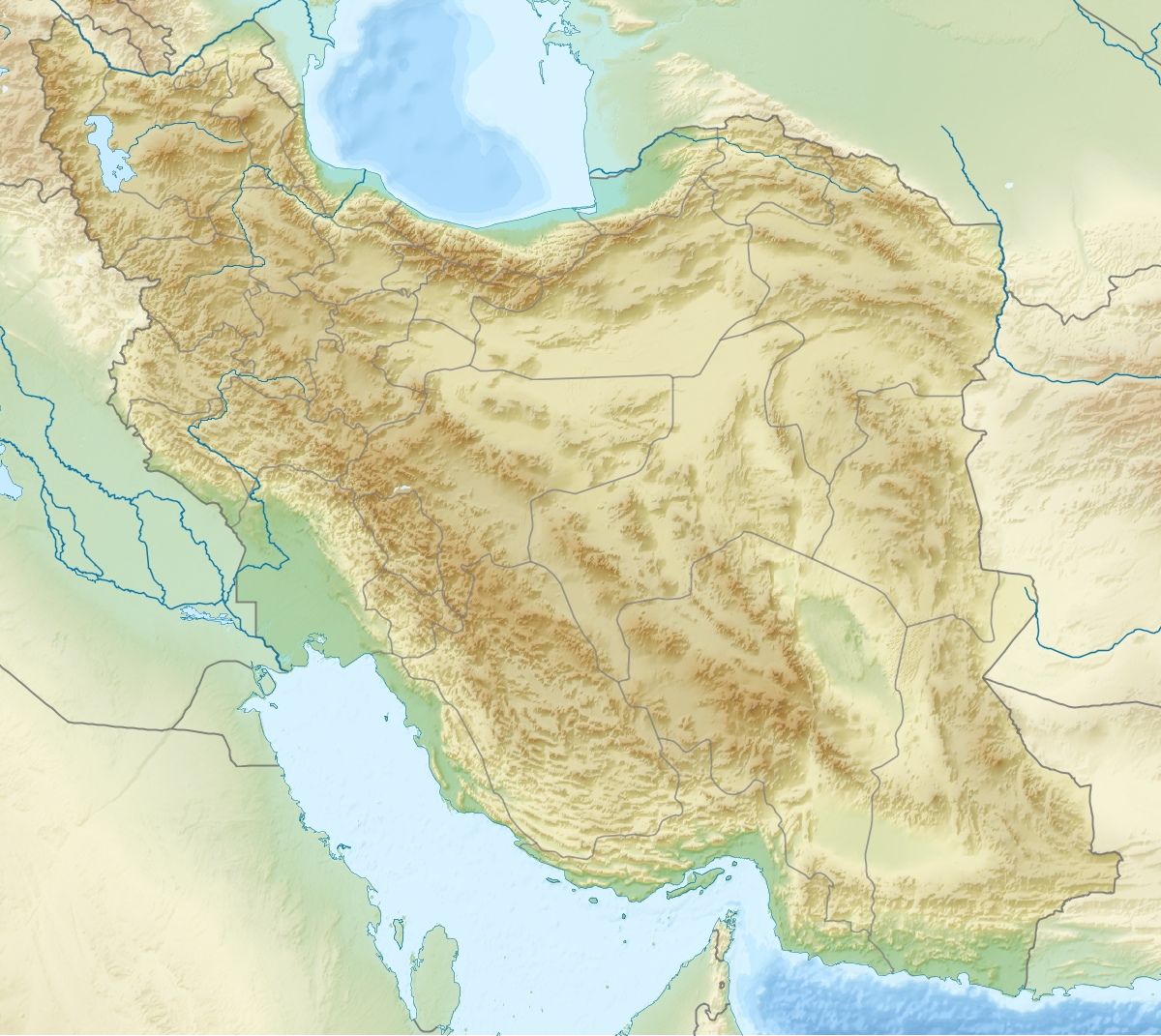
Qom is often viewed through a religious or academic lens, but its strategic importance makes it a volatile place for foreign civilians during a military escalation. When the Iranian authorities or university heads decided to move international cohorts away from Tehran, the assumption was that a secondary city would offer a shield of anonymity.
That logic failed the moment the scope of the conflict expanded. Students have reported that the "safe" zones they were promised are anything but. The psychological toll of hearing air defense systems active at 3:00 AM cannot be mitigated by a university's circular claiming everything is under control. We are seeing a pattern where the institutions responsible for these individuals are prioritizing the continuity of tuition over the physical survival of the student body.
The reality on the ground contradicts the sanitized reports coming out of official channels. While the Indian Embassy in Tehran has issued standard advisories, there is a massive gap between "avoiding travel" and "active extraction." For a student sitting in a dorm room in Qom, a PDF on a website is not a rescue plan.
Why the Relocation Happened
To understand the current panic, we have to look at the administrative push that moved these students in the first place. Universities in Tehran faced mounting pressure as the capital became a focal point for international scrutiny and potential strikes. Moving students to Qom was a move of convenience for the institutions. It allowed them to maintain a semblance of "business as usual" while distancing themselves from the immediate chaos of the capital’s diplomatic district.
However, this relocation happened without a clear assessment of the exit routes. Qom’s infrastructure is not designed to facilitate the rapid evacuation of thousands of foreign nationals on short notice. By the time the first explosions were heard, the window for a coordinated, calm departure had already begun to close.
The families of these students, many of whom have exhausted their life savings to send their children abroad for medical education, are now facing the prospect of their children returning in a casket or not at all. They aren't asking for policy debates. They are asking for chartered flights.
The Failure of Diplomatic Inertia
Historically, the Indian government has prided itself on massive evacuation operations like Operation Ganga in Ukraine. Yet, the response to the crisis in Iran feels sluggish by comparison. There is a perceptible hesitation to offend a strategic partner, leading to a "wait and see" approach that endangers lives.
Diplomacy is a game of nuance, but the safety of citizens is a matter of hard logistics. The AIMSA has been vocal because they see the data points that the government is trying to downplay. When a student sends a video of a sky lit up by anti-aircraft fire, that isn't "misinformation" or "panic-mongering." It is a primary source.
The current strategy seems to be one of containment—keeping the students where they are to avoid a diplomatic headache. But containment is not a strategy when the walls are shaking.
The Medical Education Pipeline Crisis
This situation also shines a harsh light on why so many Indian students are in Iran to begin with. The hyper-competitive nature of the NEET exam and the exorbitant costs of private medical colleges in India force middle-class families to look toward countries like Iran, Russia, and Armenia.
These students are essentially educational refugees. They go where the barrier to entry is lower, often ignoring the geopolitical red flags of the region because they have no other choice if they want to become doctors. The "Qom Trap" is a direct result of India's inability to provide enough affordable medical seats at home.
If the government wants to prevent these recurring nightmares, it has to address the rot at the core of the domestic education system. Until then, we will continue to see thousands of young Indians scattered across the world's most unstable regions, praying that their host country doesn't become the next front line.
Logistical Nightmares of Evacuation
Extracting students from Qom isn't as simple as sending a bus. You have to navigate a maze of exit permits, bureaucratic hurdles, and a shrinking list of operational airlines. Many students have reported that their passports are held by university authorities for "processing," a common practice that becomes a death sentence when you need to flee a country in hours, not weeks.
- Passport Retention: Universities often hold onto documents, making independent travel impossible.
- Currency Collapse: With the local currency in freefall, students find that their stipends or saved cash are worthless for buying emergency tickets.
- Communication Blackouts: Intermittent internet makes it difficult for students to coordinate with the embassy or their families.
The Indian government needs to demand the immediate release of all student travel documents. Anything less is a tacit endorsement of the students being held as financial or political hostages by the institutions they pay to attend.
The All India Medical Students’ Association Demand
AIMSA has moved beyond polite requests. Their latest communiqués demand a dedicated corridor for evacuation. They are highlighting the fact that while other nations began thinning out their non-essential staff and citizens weeks ago, Indian students were being told to move deeper into the country—to Qom.
The association is right to be aggressive. In the hierarchy of government priorities, student groups often rank below trade deals and energy security. But when the explosions start, the human cost overrides the balance sheet. The narrative that these students are "safe" because they aren't in a direct combat zone is a lie. Modern warfare doesn't respect municipal boundaries, and Qom is close enough to the action to be a danger zone.
Realities of the Aerial Threat
The explosions reported by students are likely the result of drone incursions and the subsequent response from local defense batteries. For a civilian, the distinction between an incoming missile and an outgoing interceptor is irrelevant; the danger of falling debris and secondary blasts is constant.
Students in Qom describe a haunting routine: classes during the day where professors pretend the world isn't ending, followed by nights spent in hallways or basements. This isn't an environment conducive to learning. It is a psychological pressure cooker.
We have to stop treating these reports as isolated incidents. They are part of a broader escalation that shows no signs of cooling. Every day the Indian government waits to initiate a formal evacuation is a day they gamble with the lives of their future doctors.
What Needs to Happen Immediately
The Ministry of External Affairs must stop issuing "advisories" and start issuing "directives." There is a difference. An advisory tells you what you should do; a directive tells the host country what India is going to do to protect its own.
- Direct Liaison: Assign a dedicated diplomatic officer to every major student housing complex in Qom.
- Emergency Funding: Establish a mechanism for students to access funds for travel, bypassing the local banking collapse.
- Chartered Airbridge: Coordinate with international carriers to ensure there are flights available, even if commercial routes are suspended.
The "relocation" to Qom was a mistake that should have been caught by the embassy before it happened. Now, the priority must shift from correcting that mistake to surviving it. The families in India are watching the news tickers with a dread that no government press release can soothe. They deserve more than "monitoring the situation." They deserve their children back.
Pressure the Ministry of External Affairs through your local representatives to prioritize the Qom evacuation before the airspace closes entirely.