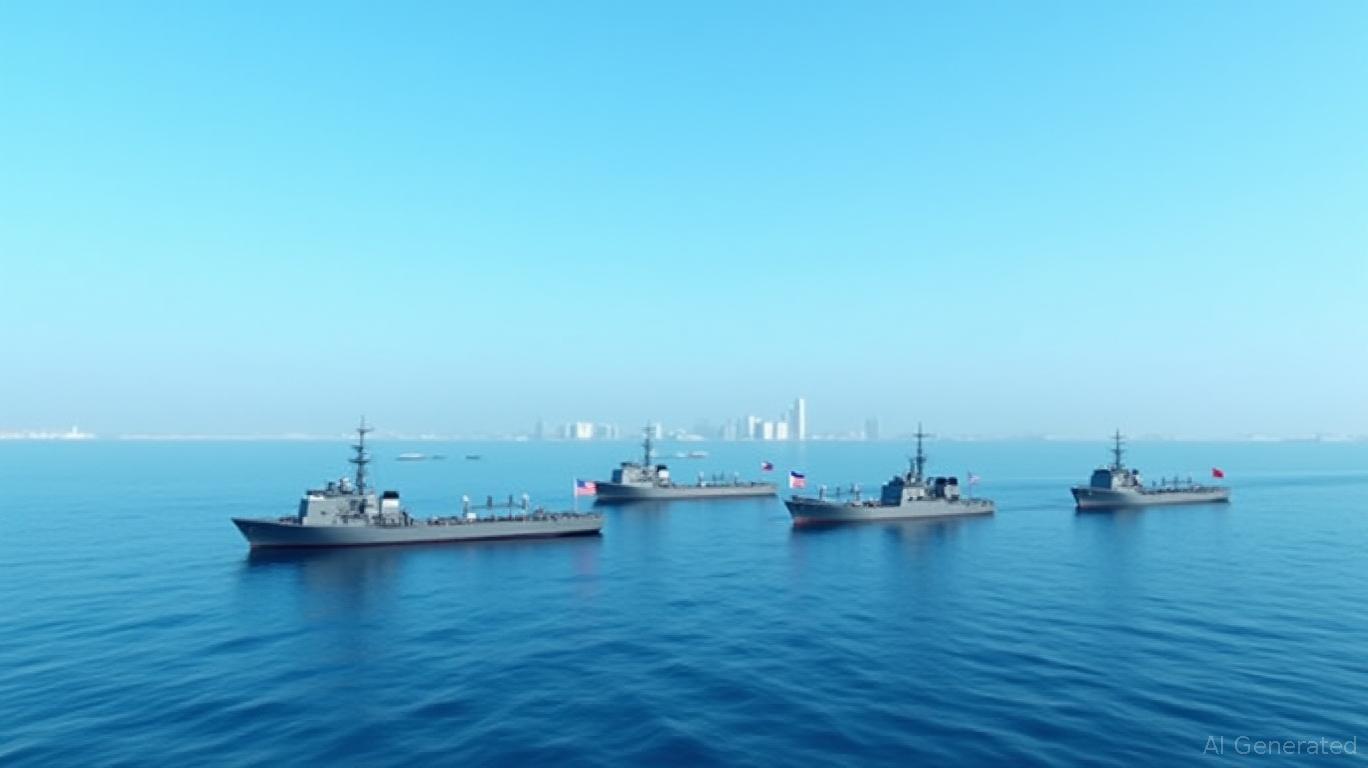
Energy markets are jittery. You can feel it in the way crude prices bounce every time a ship transponder blinks near the Middle East. When sources confirmed today that a major tanker is navigating the Strait of Hormuz to load oil at a UAE port, it wasn't just another routine logistics update. It's a signal.
The Strait of Hormuz is the world's most sensitive chokepoint. Roughly a fifth of the world's total oil consumption passes through this narrow stretch of water between Oman and Iran. If you've filled up your car lately, you're already connected to this specific vessel's journey. When a tanker moves into these waters to load Emirati crude, it's a high-stakes play involving geopolitics, insurance premiums, and global supply chains.
The Reality of Moving Oil Through a Chokepoint
Shipping oil isn't as simple as driving a truck from point A to point B. It's a massive chess game. The vessel currently heading to the UAE is entering a zone where "freedom of navigation" is a daily debate. Most people see a headline about a ship and move on. They shouldn't.
This specific movement indicates that despite regional tensions, the UAE is pushing to maintain its export quotas. The Emirates have been vocal about increasing their production capacity. They want to hit 5 million barrels per day by 2027. To do that, they need ships. Lots of them. And they need those ships to feel safe enough to enter the Gulf.
The Strait itself is only about 21 miles wide at its narrowest point. The shipping lanes are even tighter. Imagine a massive VLCC (Very Large Crude Carrier) carrying 2 million barrels of oil. It can't just swerve. It's a sitting duck if things go sideways. When a captain sails into this area, they aren't just watching the radar for other ships. They're watching for patrol boats, drones, and any sign of asymmetrical interference.
What Most People Get Wrong About UAE Oil Exports
There's a common misconception that all Middle Eastern oil is the same. It’s not. The UAE primarily exports Murban crude. It's light. It's sweet. Refiners in Asia love it because it’s easier to turn into gasoline and jet fuel.
When a tanker heads to a UAE port like Jebel Dhanna or Das Island, it’s usually because a refinery in Japan, South Korea, or China is waiting on that specific grade. If these shipments get delayed, refiners have to scramble. They have to find alternatives, which usually costs more. Those costs eventually land on your doorstep.
Recent data from the Energy Information Administration (EIA) shows how much we rely on this flow. Even if the US produces more of its own oil now, the global price is set by the total supply. If the Strait of Hormuz closes or even slows down, every barrel of oil on earth gets more expensive instantly. It doesn't matter where it was pumped.
The Insurance Nightmare Nobody Talks About
You can't talk about tankers without talking about "War Risk" premiums. This is the hidden tax on global energy. Every time a ship enters the Persian Gulf, the owner pays an extra fee to insurers at Lloyd’s of London.
These rates aren't static. They fluctuate based on the morning news. If a tanker is seen heading to a UAE port through the Strait during a week of high political rhetoric, that insurance premium spikes.
I’ve seen cases where the insurance cost for a single voyage jumped by hundreds of thousands of dollars in just 48 hours. The ship currently in the news is carrying that financial burden. It's a testament to the UAE's importance that traders are still willing to pay these prices to get the oil out. They have no choice. The world needs the light-sweet grade that the UAE provides to keep the wheels of industry turning.
Beyond the Horizon of Global Logistics
The UAE isn't just sitting back and hoping the Strait stays open. They're smarter than that. They built the Abu Dhabi Crude Oil Pipeline (ADCOP). It runs from the Habshan fields to the port of Fujairah.
Fujairah is the "cheat code" for the UAE. It sits on the Indian Ocean side, outside the Strait of Hormuz. This allows the UAE to bypass the chokepoint entirely for a portion of its exports. However, it can't handle the total volume yet. That's why tankers still have to brave the Strait.
The ship currently making headlines represents the "old way" that still dominates the market. It’s the essential, risky, and highly profitable path that defines the energy sector. We're watching a live demonstration of economic resilience. The UAE is telling the world that the taps are open, and the ships are moving, regardless of the noise from neighbors.
How to Track the Real Impact
If you want to understand if this is a one-off or a trend, stop looking at the price of gas at the pump. That's a lagging indicator. Look at the "Time Charters" for VLCCs.
When companies start booking ships for longer periods at higher rates, they're betting on continued access to these ports. If you see tankers idling outside the Strait, that's when you should worry. Right now, the fact that this tanker is moving in to load is actually a good sign for market stability. It means the physical flow of oil is matching the paper trade on the floors of the NYMEX and ICE.
Monitor the Baltic Dirty Tanker Index. It’s the most honest metric we have. It tracks the cost of moving unrefined crude. When that index climbs alongside news of ships entering the UAE, you know the market is pricing in risk.
Stay away from the hype. Focus on the ship's draft. A ship entering the Gulf sits high in the water because it’s empty. When it leaves, it’s deep. That’s the most basic, undeniable proof of energy transfer. If the ships keep going in empty and coming out heavy, the system is working.
Watch the vessel's destination after it leaves the UAE. If it’s heading toward the Cape of Good Hope instead of the Suez Canal, you’ll know that the Red Sea is still considered too dangerous. That’s the next piece of the puzzle. Every mile added to a tanker's journey is a mile added to the cost of everything you buy. Keep your eyes on the transit times and the port congestion levels in Fujairah. These are the real pulse points of the global economy.