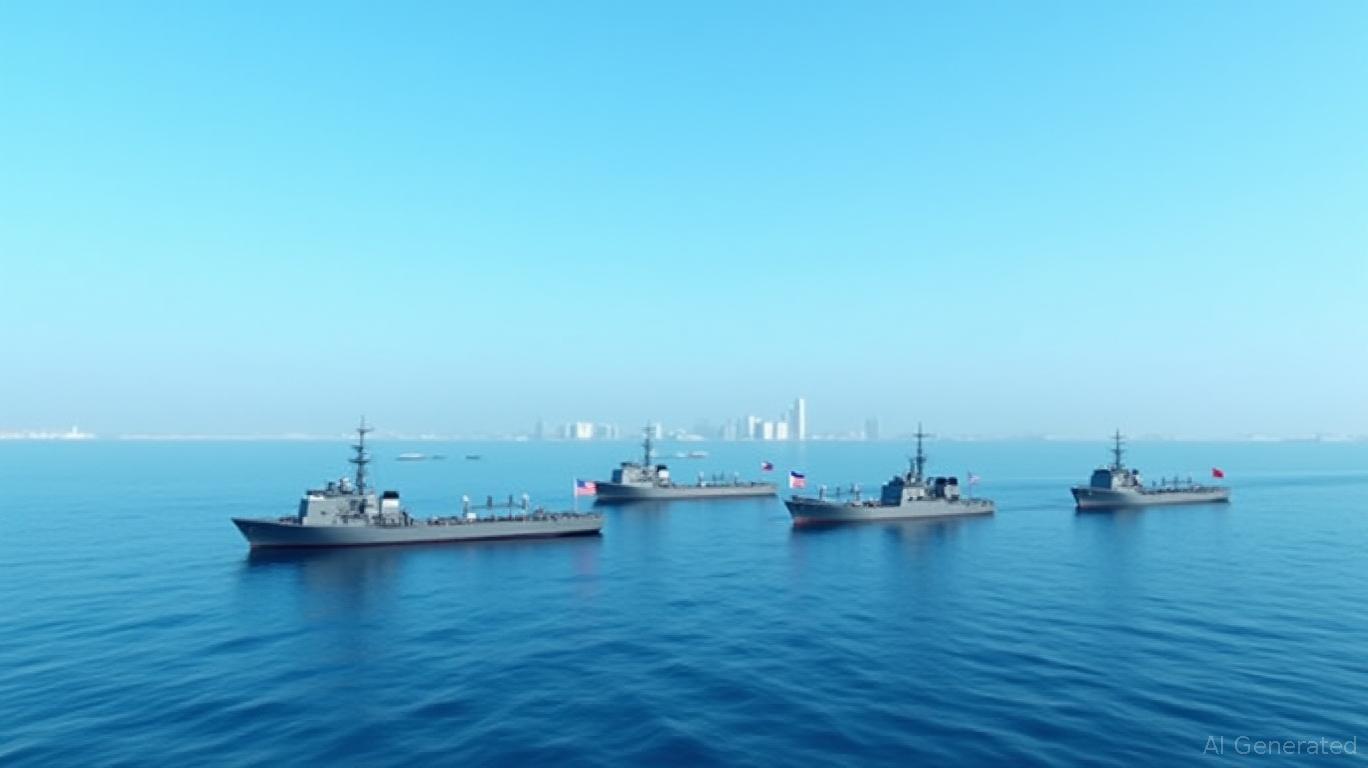
The global energy market is currently reacting to a singular, terrifying reality that goes far beyond a simple price spike. As Iran-related tensions escalate into direct maritime disruption, the immediate surge in Brent crude and natural gas prices reflects a deeper, systemic vulnerability in the West’s energy security. This isn't just about a few delayed tankers. It is a fundamental breakdown of the world's most critical energy artery, and the repercussions will likely be felt at every gas pump and utility bill for years to come.
While many analysts focus on the immediate "soar" of prices, they often miss the underlying mechanics of why this specific crisis is different from the supply gluts of the last decade. We are witnessing the weaponization of the Strait of Hormuz, a narrow waterway where roughly 20% of the world's total oil consumption passes daily. When Iran exerts pressure here, they aren't just fighting a regional war; they are holding the global inflation rate hostage.
The Chokepoint Math That Wall Street Ignores
To understand the severity of the current situation, you have to look at the volume. Approximately 21 million barrels of oil flow through the Strait of Hormuz every single day. There is no viable physical alternative. Pipelines across Saudi Arabia and the UAE exist, but they can only handle a fraction of that volume. If the Strait remains a high-risk zone, the world enters a structural deficit that no amount of American shale production can fill.
The market isn't just pricing in the current lack of barrels. It is pricing in the insurance risk. When a tanker is seized or a drone strike hits a refinery, maritime insurance premiums for the remaining fleet don't just go up; they become prohibitive. Shipowners are already diverting vessels around the Cape of Good Hope. This adds two weeks to a journey, effectively removing dozens of ships from the global "available" pool and creating a secondary spike in shipping costs that hits natural gas even harder than oil.
Why the SPR Can No Longer Save Us
The United States has historically used the Strategic Petroleum Reserve (SPR) as a blunt instrument to cool down overheated markets. However, that well is running dry. After aggressive releases over the past few years to combat domestic inflation, the SPR is at its lowest levels in decades. The buffer is gone.
If the Iran crisis worsens, the White House has very few cards left to play. They cannot flood the market with cheap crude because the inventory simply isn't there. This leaves the global market at the mercy of OPEC+, specifically Saudi Arabia. The Saudis find themselves in a complex position, balancing their own regional security concerns against the desire for $100-per-barrel oil to fund their massive internal infrastructure projects. For the first time in a generation, the "swing producer" power has shifted entirely away from Washington.
The Liquefied Natural Gas Domino Effect
While headlines scream about oil, the real damage may occur in the Liquefied Natural Gas (LNG) sector. Europe, having spent the last two years desperately weaning itself off Russian pipeline gas, is now heavily dependent on Qatari LNG. Every single molecule of that Qatari gas must pass through the Strait of Hormuz.
If the shipping lanes are compromised, Europe doesn't just face high prices; it faces physical shortages. We are talking about the potential for industrial curtailments in Germany and the UK. Unlike oil, which can be moved in trucks or stored in small quantities, gas relies on a constant, high-volume "cold chain" of specialized ships. A disruption in the Persian Gulf is, quite literally, a threat to the lights staying on in Paris and Berlin.
The Myth of Energy Independence
Politicians often talk about energy independence as if it were a shield against global events. It is a fantasy. Even if the United States produces more oil than it consumes, the price of that oil is set on a global commodity exchange. When the price of Brent crude moves because of a skirmish in the Gulf, the price of West Texas Intermediate (WTI) follows it upward.
Refineries are also tuned to specific grades of crude. Many American refineries require the heavy, sour crudes that come from the Middle East to balance out the light, sweet crude produced in Texas and North Dakota. If the Middle Eastern supply vanishes, these refineries must pay a premium to source similar grades from elsewhere, or face reduced efficiency. Either way, the consumer pays the difference.
The Geopolitical Gamble
Iran knows that its leverage lies in chaos. By creating a persistent state of "gray zone" conflict—seizing tankers, harassing naval patrols, and funding proxies—they keep the risk premium permanently baked into the price of energy. This creates a feedback loop. High energy prices fund the very regimes causing the instability, as their remaining exports sell for more money per barrel.
Western powers are caught in a trap. A heavy military response to clear the shipping lanes could lead to an all-out war that would shut the Strait entirely, sending oil to $200. On the other hand, inaction allows the disruption to continue indefinitely, slowly bleeding the global economy through sustained inflation.
The Hidden Cost of the Tanker War
We are seeing a return to the "Tanker War" tactics of the 1980s, but with modern technology. Drones and sea-mines are cheap; multi-million dollar tankers are not. The psychological impact on the merchant marine industry is profound. When sailors refuse to enter the Gulf, the logistical backbone of the world collapses.
- Labor shortages: Experienced crews are demanding "war zone" pay or refusing contracts entirely.
- Scrapping rates: Older vessels that would have been scrapped are being kept in service to meet demand, increasing the risk of mechanical failure and environmental disasters.
- Shadow fleets: To bypass sanctions and high insurance, a "shadow fleet" of aging, uninsured tankers is growing. This creates a massive liability for any nation whose coastline these "ghost ships" pass.
Breaking the Cycle
The only way out of this volatility is a radical shift in how we view energy security. It isn't just about finding more oil; it's about reducing the energy density of the supply chain. The more we rely on a single, 21-mile-wide waterway for the survival of the global economy, the more we invite this type of extortion.
The current price surge is a warning shot. It tells us that the era of predictable, cheap energy is dead, replaced by a volatile landscape where a single drone in the Middle East can wipe out a year’s worth of economic growth in the West.
Check the shipping manifests for the next thirty days. If the number of VLCCs (Very Large Crude Carriers) exiting the Gulf continues to drop, the current price spike is merely the prologue. You should be looking at your own energy exposure now, because the government’s ability to intervene has never been weaker.
Move your capital into midstream infrastructure and localized storage assets that can weather a long-term maritime blockade.
---