The phone call between Donald Trump and Xi Jinping earlier this month was ostensibly about a trade truce, but the subtext was a high-stakes auction where the currency was sovereign security. While the White House publicizes a narrative of "massive" agricultural buys and energy deals, Beijing has quietly tightened its grip on the one thing it values more than soybeans: the future of Taiwan. The reality of this interaction suggests that the long-standing strategic ambiguity governing the Taiwan Strait is being dismantled in favor of a transactional model where the island’s defense is increasingly treated as a negotiable asset.
The Tariff Trap and the Supreme Court Pivot
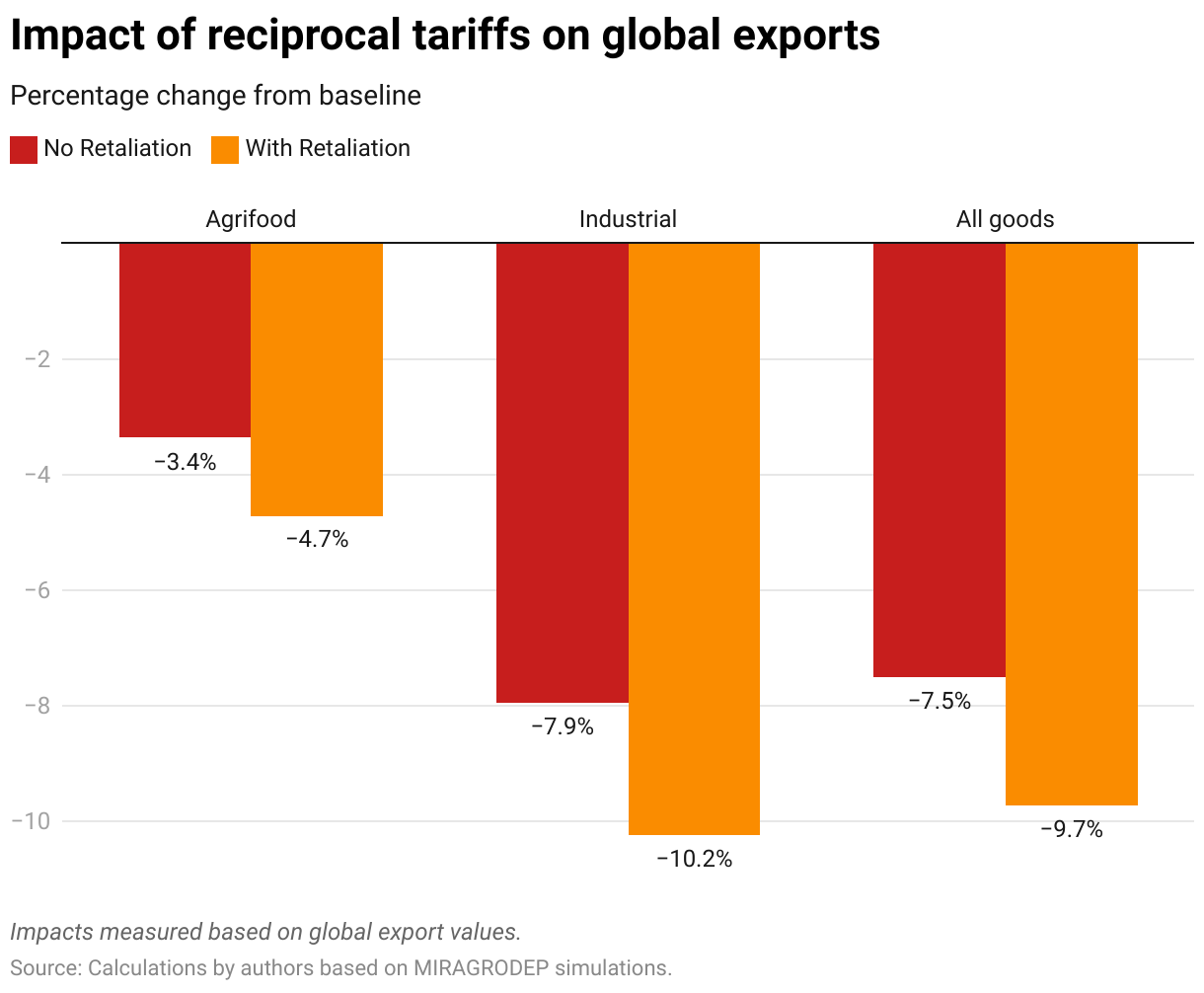
The leverage in this relationship shifted dramatically on February 20, 2026, when the U.S. Supreme Court struck down the administration's sweeping reciprocal tariffs. By invalidating the use of the International Emergency Economic Powers Act (IEEPA) for these broad duties, the court effectively disarmed the president’s favorite economic weapon weeks before his scheduled April summit in Beijing.
Trump has scrambled to re-impose a 15 percent global tariff under Section 122 of the Trade Act of 1974, but the legal foundation is shaky and the message to Beijing is clear: the American executive is legally constrained. Xi Jinping recognizes this domestic friction as a window of opportunity. In their recent dialogue, Xi framed Taiwan’s "return" to China not as a regional dispute, but as an "integral part of the post-war international order." This isn't just rhetoric. It is a calculated attempt to refit the historical narrative to suit a world where American influence is perceived to be receding into protectionism.
The $11 Billion Silence
In December 2025, the administration approved an unprecedented $11 billion arms package for Taipei. Beijing responded with live-fire drills that effectively blockaded the island’s major ports for days. Yet, in the weeks following the latest Trump-Xi call, reports have surfaced that a subsequent, critical arms sale is being "held up" by the White House.
The official line is that the administration is "making a determination," but veteran diplomats see a more cynical mechanism at work. By pausing military support, the administration creates a "poker chip" for the April summit. The danger here is the violation of the 1982 Six Assurances, specifically the pledge that Washington would not consult with Beijing on arms sales to Taiwan. If the White House is now discussing these sales with Xi to secure trade concessions—such as the purchase of 25 million metric tons of American soybeans—it signals to the world that the "Taiwan card" is finally being played.
Semiconductors and the Reshoring Ultimatum
The economic dimension of this crisis is inseparable from the silicon chips that power the modern world. Secretary of Commerce Howard Lutnick has set a public goal to reshore 40 percent of Taiwan’s semiconductor supply chain to U.S. soil by 2029. While this is framed as a matter of national security, it creates a "valueless" Taiwan scenario.
If the United States successfully extracts the technological crown jewels of the island—the advanced fabrication plants of TSMC—the strategic incentive to defend the territory from a Chinese invasion diminishes. For Taipei, this is the "broken nest" theory: if the eggs are moved, the nest is no longer worth protecting. This creates a terrifying feedback loop. The more the U.S. pushes for semiconductor independence, the more the Taiwanese electorate perceives Washington as a "mercurial ally," leading to a rise in "U.S.-skepticism" that Beijing is eager to exploit.
The 2027 Deadline and the Cost of Inaction
Xi Jinping has reportedly instructed the People’s Liberation Army to be ready for a Taiwan takeover by 2027. We are currently in the shadow of that deadline. The current administration’s focus on a "big, beautiful trade deal" to appease a domestic base hit by tariff-driven inflation—estimated to cost the average U.S. family $1,700 annually—may be blinded to the long-term geopolitical cost.
A "trade deal in name only" might save face in Washington, but if it comes at the price of a pro-China statement on Taiwan or a permanent freeze on arms sales, it will represent the most significant shift in the Pacific power balance since 1949. China’s record $1.2 trillion trade surplus gives it the liquid capital to wait out American political cycles. Beijing knows that while a U.S. president worries about the next midterm election, the Communist Party is looking at the next century.
The friction between the National Security Council, which views Taiwan as a strategic necessity, and the economic wing of the White House, which views it as a liability, has never been more visible. If the April summit results in a surge of agricultural orders matched by a conspicuous silence on the Taiwan Strait, the "Status Quo" will not just be under threat; it will be officially extinct.
Ask yourself if you are prepared for the supply chain shock of a "forced reunification" that economists estimate would cause a $1 trillion disruption to the global economy.