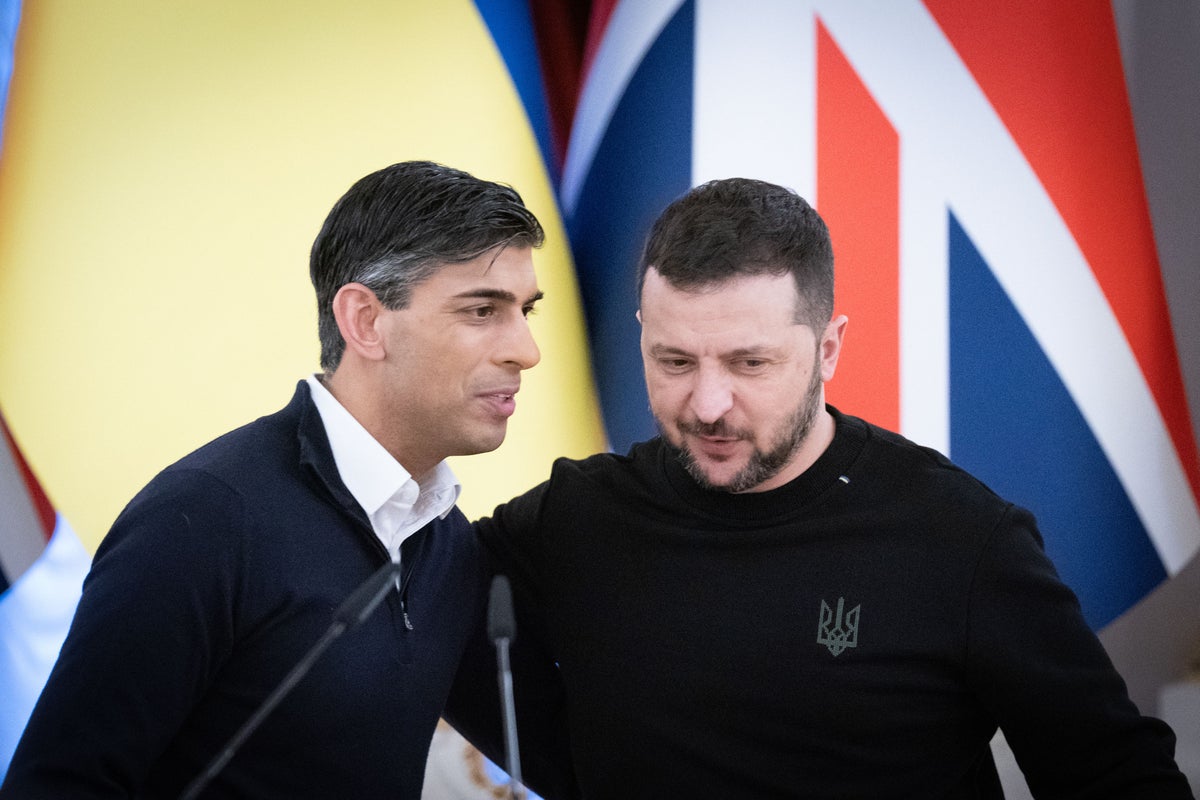
Rishi Sunak isn't heading to Silicon Valley just yet. Despite the endless rumors about him fleeing to California the moment he handed over the keys to Number 10, the former Prime Minister has surfaced in a much more volatile climate. He's officially joined Volodymyr Zelensky’s International Advisory Council for the Economic Renewal of Ukraine. It’s an unpaid gig, but the stakes couldn't be higher.
You might wonder why a man with a billionaire's lifestyle and a stack of corporate advisory roles at Goldman Sachs and Microsoft would volunteer for the headache of rebuilding a war-torn nation. The answer is pretty simple: the West needs a strong Ukraine, and you can't have a strong country without a functional economy. This isn't just about charity; it’s about ensuring that when the smoke clears, there’s a country left that can actually pay its bills and keep the lights on.
The boardroom in a war zone
Sunak isn't the only big name at the table. He's joining a heavy-hitting squad that includes former Canadian Deputy PM Chrystia Freeland, World Bank President Ajay Banga, and leaders from global giants like BlackRock and Citigroup. It’s basically a Davos-level board meeting focused on one of the most complex reconstruction projects in modern history.
The first meeting happened just this past Thursday, and they didn't waste time on pleasantries. The primary focus? Stopping Ukraine from freezing next year. Russia has been relentlessly hammering the energy grid, trying to "weaponize" the cold. Sunak’s role involves leveraging his finance background to figure out how to harden that infrastructure and keep the power flowing before the 2026/2027 winter hits.
What Sunak actually brings to the table
Let’s be honest: Sunak’s time as PM was polarizing, but his "spreadsheet guy" persona is exactly what Zelensky needs right now. Rebuilding a country isn't just about pouring concrete; it’s about attracting private capital. Investors are notoriously skittish about putting money into a country where the neighbors are lobbing missiles.
Sunak’s "expertise" lies in speaking the language of the City and Wall Street. If he can convince the big banks—some of whom he now advises—that Ukraine is a viable "dynamic economy" rather than a bottomless pit for aid, the flow of private investment could dwarf government handouts. He’s betting on Ukraine’s human capital and natural resources, but his real job is to act as a bridge between Kyiv and the global financial elite.
The defense tech angle
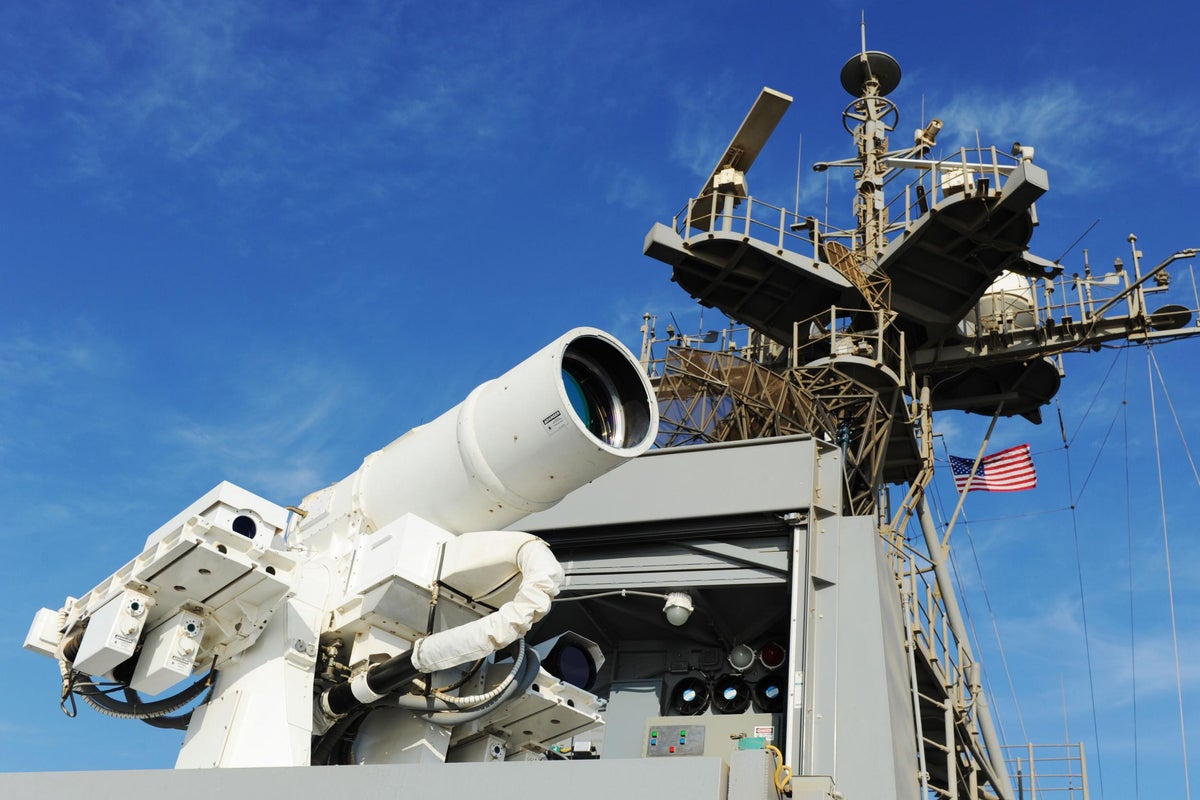
One of the more interesting threads from the council’s first meeting was the talk about Ukraine’s defense industry. We're seeing something unprecedented: a country developing "combat-tested" tech in real-time. Zelensky wants to turn Ukraine into a global hub for defense innovation. Sunak, with his new ties to AI firm Anthropic and Microsoft, is uniquely positioned to advise on how to scale that tech into a legitimate export-driven industry.
Why this isn't just another post-politics vanity project
Critics will point to Sunak's growing portfolio of jobs and ask if he's spread too thin. He’s still an MP for Richmond and Northallerton. He’s advising Goldman. He’s at the Hoover Institution. But this Ukraine role feels different. It’s unpaid, and he’s reportedly donating his private-sector earnings to his wife’s numeracy charity anyway.
It looks like he’s trying to build a legacy that transcends the messy end of his premiership. By helping Zelensky, he’s staying relevant on the global stage without the baggage of domestic UK politics. It's a calculated move, but it's one that might actually do some good.
Practical steps for the recovery
The council isn't just a talking shop. They’ve already identified three immediate priorities:
- Energy Resilience: Rapidly repairing power plants and securing mobile generation units.
- Investment Frameworks: Creating insurance schemes that protect private investors against war-related losses.
- Defense Integration: Bridging the gap between Ukrainian startups and Western defense contractors.
If you’re watching this from the sidelines, don't expect a sudden economic miracle. Rebuilding Ukraine will take decades. However, having a former G7 leader and a former Chancellor on speed dial gives Zelensky a direct line to the people who control the world's purse strings.
Keep an eye on the investment announcements over the next six months. If we start seeing more than just "emergency aid"—if we see actual long-term capital commitments from the firms Sunak knows best—then we’ll know this advisory council is actually doing its job.