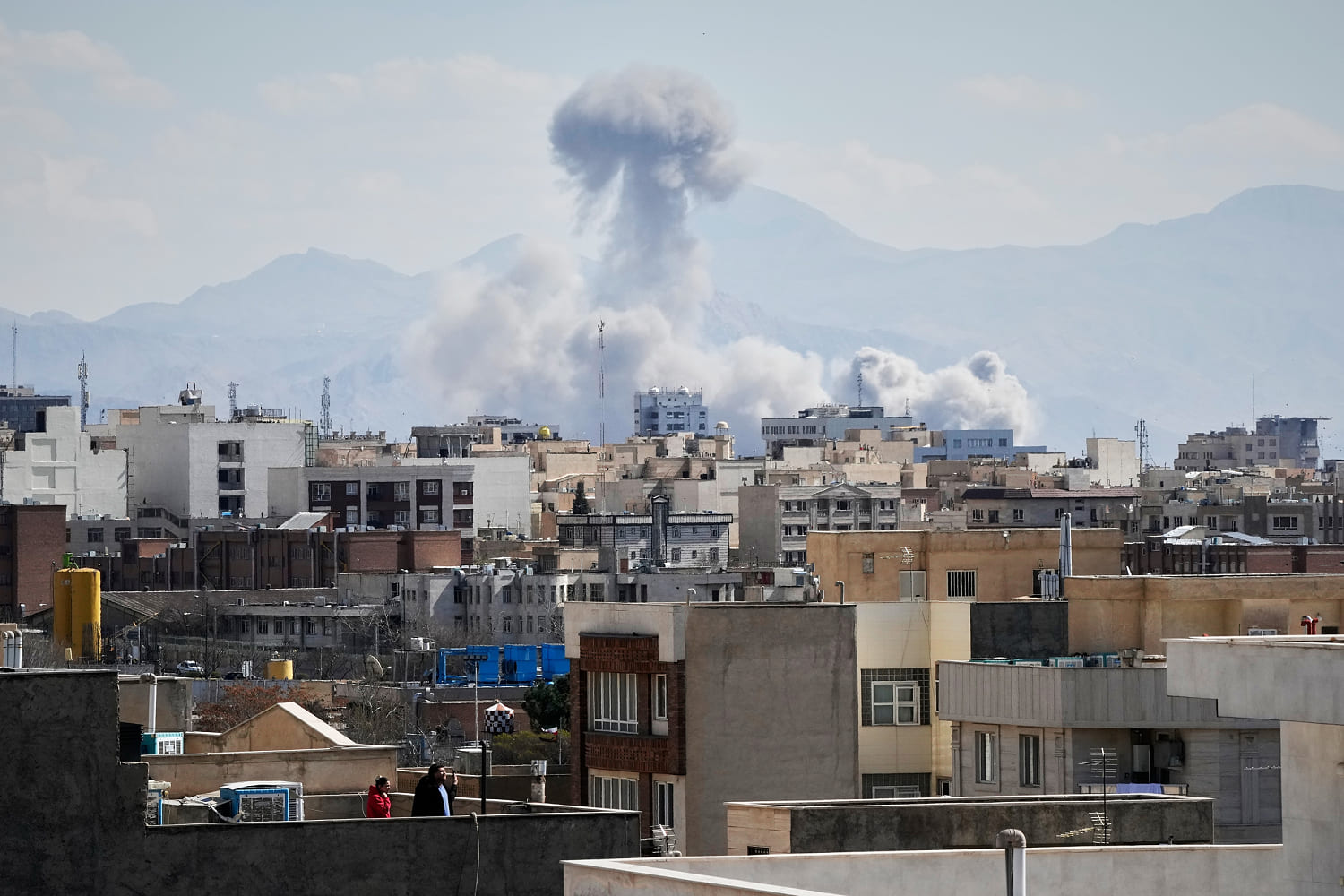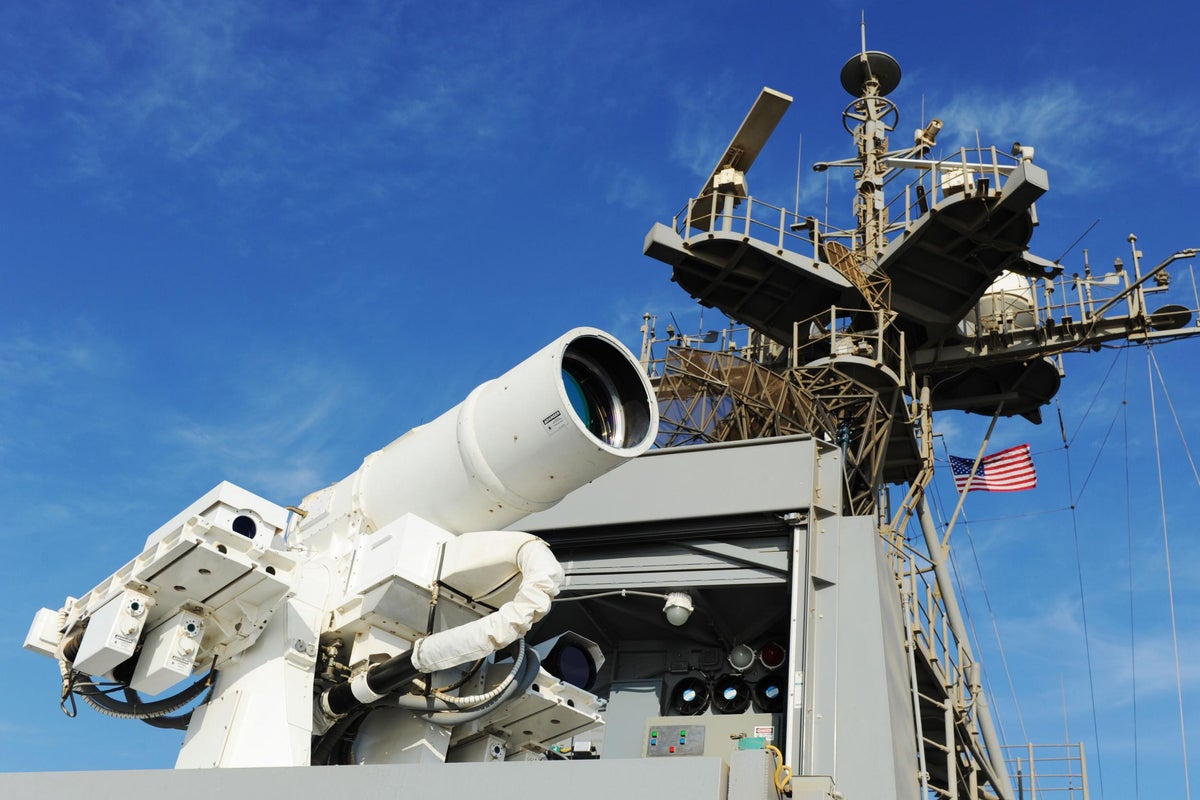
Texas is currently the testing ground for a new brand of domestic military friction. For the second time in recent weeks, a high-energy laser operated by the Department of Defense under Secretary Pete Hegseth's direction has knocked a Customs and Border Protection (CBP) drone right out of the sky. This isn't just a technical glitch or a communication breakdown. It’s a loud, clear signal about who holds the reins of power at the southern border.
When a directed-energy weapon (DEW) hits a target, you don't see a "Star Wars" beam. You see a drone suddenly lose its brains and tumble into the dirt. This latest intercept forced an immediate and chaotic shutdown of the surrounding airspace, grounded local civilian flights, and left federal agencies pointing fingers at each other. If you think the military and the Border Patrol are playing on the same team right now, you aren't paying attention.
Why the Military is Blasting CBP Hardware
The Pentagon's official line usually leans on "training exercises" or "unidentified aerial phenomena" (UAP) protocols. But let's be real. The military is deploying mobile laser systems to the border to establish a hard perimeter. When a CBP Predator or Guardian drone drifts into a restricted "kill box" without the right transponder codes, the Army isn't waiting for a phone call. They’re firing.
Secretary Hegseth has been vocal about a "mission first" approach that prioritizes military dominance over bureaucratic coordination. This aggressive posture has created a dangerous environment in the Texas skies. The laser systems being used are likely part of the Indirect Fire Protection Capability (IFPC-HEL) or similar Stryker-mounted prototypes. These weapons use focused light to melt sensors or ignite fuel cells in seconds.
They are silent. They are invisible. And they are incredibly effective at turning a $20 million dollar surveillance asset into a pile of scrap metal.
The Chaos of an Airspace Shutdown
When the laser fired, the Federal Aviation Administration (FAA) had to scramble. You can't have Cessnas or commercial airliners flying through a zone where high-energy beams are active. A stray reflection off a drone’s wing could, in theory, cause permanent eye damage to a pilot miles away or fry the electronics of a passing plane.
- Ground Stops: Local airfields in the Rio Grande Valley saw immediate halts.
- Emergency Vectors: Pilots already in the air were ordered to bank hard to avoid the "active engagement zone."
- CBP Blindness: With their primary eyes in the sky downed or grounded, the Border Patrol lost real-time tracking on several groups moving across the river.
This is the second time this has happened this month. It suggests that the "deconfliction" protocols—the rules that are supposed to keep different government agencies from killing each other’s gear—are totally broken.
High Energy Lasers are the New Border Guard
We’ve moved past the era of just building walls. The border is becoming a laboratory for electronic warfare. The military justifies these "accidental" shoot-downs as necessary to test readiness against cartel drones. It's true that cartels use small UAVs for scouting and dropping contraband. But a CBP drone is a massive, recognizable aircraft.
Shooting one down "by mistake" twice? That’s an intentional display of authority.
The technology here is fascinating but terrifying. Unlike traditional missiles, a laser has an "infinite magazine" as long as there’s a power source. It costs about a dollar per shot. It hits at the speed of light. There is no lead time. There is no warning. If the laser locks on, the drone is gone.
What This Means for Texas Residents
If you live in South Texas, the sky above you is now a live-fire range for invisible weapons. The military is treating the border as a combat zone. While the Pentagon claims these incidents are strictly about "securing the sovereign frontier," the lack of transparency is staggering.
Local law enforcement agencies are often kept in the dark until the airspace is already closed. This creates a massive safety risk for Life Flight helicopters and search-and-rescue teams. We’re seeing a shift where the Department of Defense is no longer just supporting the border mission—they’re running it, and they don't care who gets in the way.
The Breakdown of Federal Cooperation
The friction between the Pentagon and the Department of Homeland Security (DHS) is at an all-time high. Hegseth’s military is operating with a mandate that seems to bypass the traditional "request for assistance" model. In the past, the military waited for CBP to ask for help. Now, the military is setting up shop and telling CBP to watch their step.
This "accidental" engagement is a power move. It forces DHS to acknowledge that the Pentagon owns the airspace. It also serves as a live-environment test for weapons systems that the U.S. eventually wants to deploy against near-peer adversaries. Basically, the Texas border is the new proving ground, and CBP drones are the involuntary target practice.
Protect Your Own Flight Path
If you’re a private pilot or a drone hobbyist in the Texas border region, you need to stay glued to NOTAMs (Notices to Air Missions). The military isn't going to give you a courtesy call before they power up a kilowatt-class laser.
- Check FAA Dashboards Daily: Don't rely on weekly updates. These temporary flight restrictions (TFRs) pop up in minutes.
- Transponders On: If you’re flying anything, make sure your ADS-B Out is functioning and broadcasting clearly.
- Stay Clear of Military Grid Reference Systems: If you see green olive vehicles with large, boxy turrets, move.
The era of a "shared" border is over. The military has arrived with directed energy, and they’ve shown they aren't afraid to use it on their own colleagues. If you're flying in Texas, you're flying in a kinetic testing range. Act accordingly.