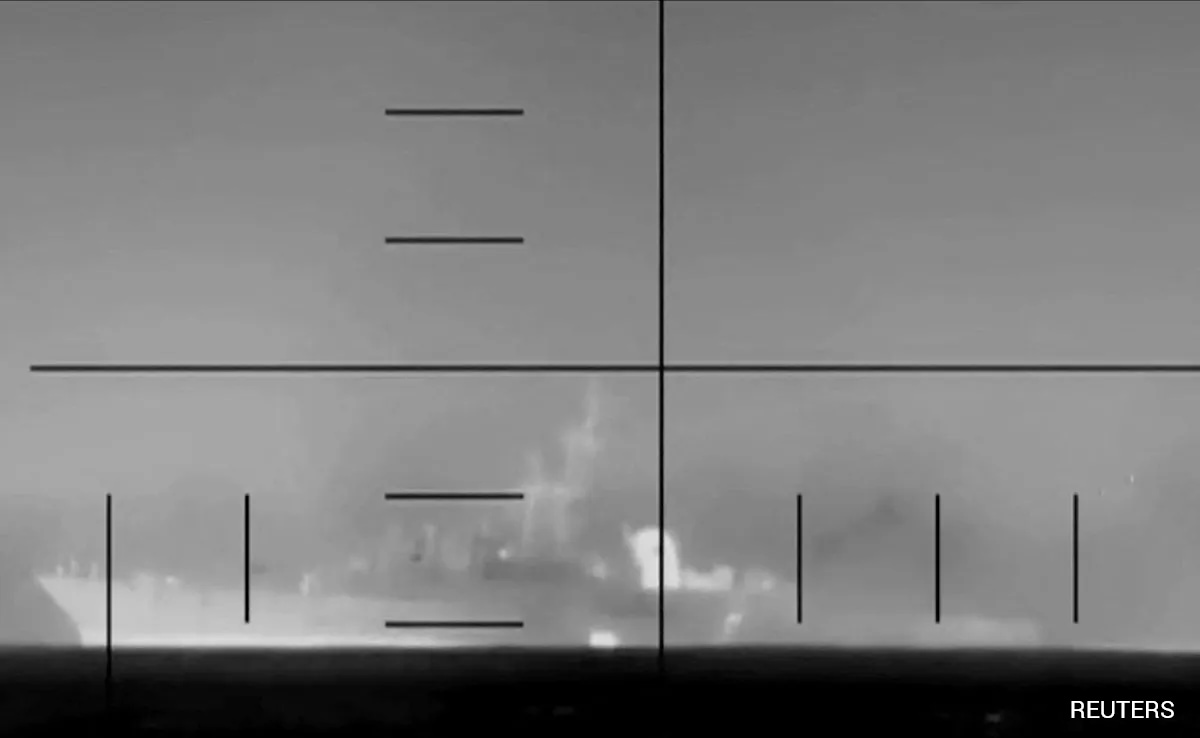
New Delhi is watching the horizon with increasing anxiety as the maritime security of the Indian Ocean Region undergoes its most violent shift in decades. When the United States Navy recently neutralized an Iranian-linked vessel—an act that sent ripples through diplomatic circles in Colombo and Male—it wasn't just a tactical skirmish in a distant theater. It was a klaxon for the Indian economy.
The core of the problem lies in the vulnerability of the sea lines of communication. India relies on the Suez Canal for roughly one-third of its global trade. When ships are diverted or destroyed, costs don't just rise; they explode. Insurance premiums for "war risk" have surged by triple digits in some sectors, forcing Indian exporters to choose between eating the costs or losing market share to regional competitors with shorter logistics chains.
The Colombo Perspective and the Domino Effect
Sri Lankan lawmakers are rarely alarmist about Mediterranean or Red Sea skirmishes unless the heat begins to bake their own shores. The warning from Colombo is grounded in a simple, brutal reality: Sri Lanka is the transshipment hub of South Asia. If the major shipping lines decide that the route through the Red Sea is too hazardous, they don't just change their path; they change their port calls.
If traffic through the Suez remains choked, the Cape of Good Hope becomes the only viable alternative. This bypasses the traditional Indian Ocean arteries that feed the ports of Mumbai and Mundra. For India, this isn't just a logistics headache. It is a threat to the Sagarmala project and the nation’s ambition to become a global manufacturing powerhouse. You cannot be the world’s factory if your shipping lanes are under constant threat of drone strikes or naval blockades.
Why the US Iranian Standoff Hits Home
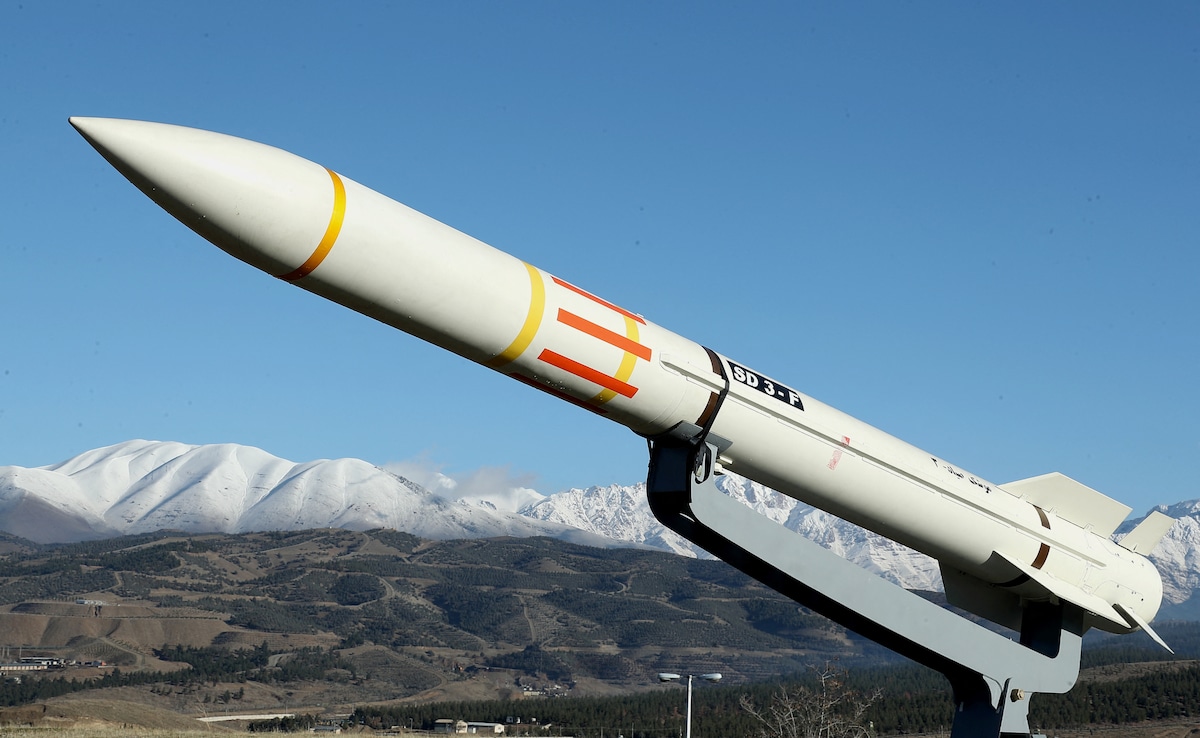
The recent sinking of an Iranian-linked vessel by US forces marks a departure from "shadow boxing" toward active kinetic engagement. Iran’s influence over the Houthi rebels in Yemen provides them with a metaphorical finger on the trigger of global trade. By targeting vessels perceived to be linked to Western interests, these groups have effectively turned the Bab el-Mandeb Strait into a no-go zone for many commercial fleets.
India's position is uniquely uncomfortable. On one hand, New Delhi maintains a strategic partnership with Washington. On the other, it has deep historical and energy-related ties with Tehran. Navigating this divide is becoming impossible as the conflict scales. India’s decision to deploy guided-missile destroyers like the INS Kochi and INS Mormugao to the Arabian Sea shows that the government is no longer willing to rely on external powers to protect its backyard.
The Economic Shrapnel
When a ship is sunk or a route is abandoned, the data points show up in Indian supermarkets within weeks. We are seeing a "security tax" being levied on every barrel of oil and every container of electronics entering the country.
- Freight Rate Volatility: Standard container rates from Indian ports to Europe have doubled in specific windows since the escalation began.
- Inventory Lag: The detour around Africa adds roughly 10 to 15 days to the voyage. For industries like fast-moving consumer goods or seasonal textiles, a two-week delay is a death sentence for profit margins.
- Energy Security: While India has diversified its oil sources, any major disruption in the Persian Gulf—which is the logical next step if the Iran-US tension boils over—would send petrol prices at the Indian pump to record highs.
This isn't a hypothetical risk. The Indian Ministry of Commerce has already begun holding emergency meetings with exporters to discuss the viability of credit lines to cover these unforeseen shipping costs.
The Asymmetric Threat
The modern maritime threat isn't just about massive destroyers. It’s about cheap technology. A drone costing $20,000 can successfully disable a cargo ship worth $200 million carrying $500 million in cargo. This asymmetry is what keeps naval commanders in New Delhi awake at night.
The Indian Navy has shifted its doctrine. It is no longer just about patrolling; it is about active escort and boarding operations. But the ocean is vast. Even with a fleet of dozens of vessels, the Navy cannot be everywhere. This creates "blind spots" where pirates and non-state actors, emboldened by the chaos in the Red Sea, are beginning to resurface.
The Strategic Encirclement
There is a broader geopolitical game afoot that many analysts are ignoring. While the US and Iran trade blows, other regional players are looking to fill the vacuum. China’s "String of Pearls" strategy—establishing a network of military and commercial facilities along India's maritime lifelines—becomes more potent when traditional routes are unstable.
If the West is preoccupied with keeping the Red Sea open, India is left to manage the security of the wider Indian Ocean alone. This is a massive burden for a developing economy. It requires billions in hardware investment that could otherwise go toward infrastructure or social programs.
A Fractured Response
One might expect a unified regional response, but the Indian Ocean is a mess of competing interests.
- The Maldives has shown a shifting allegiance that complicates maritime cooperation.
- Pakistan remains a wild card, often viewing India's naval expansion with suspicion rather than as a shared security benefit.
- Sri Lanka, caught in a debt trap, must balance its need for Indian support with the reality of Chinese investment in its ports.
The sinking of that Iranian ship was a signal that the rules of engagement have changed. It told the world that the US is willing to use lethal force to protect commerce, but it also told the world that the threat is persistent and evolving.
The Hard Truth of Maritime Sovereignty
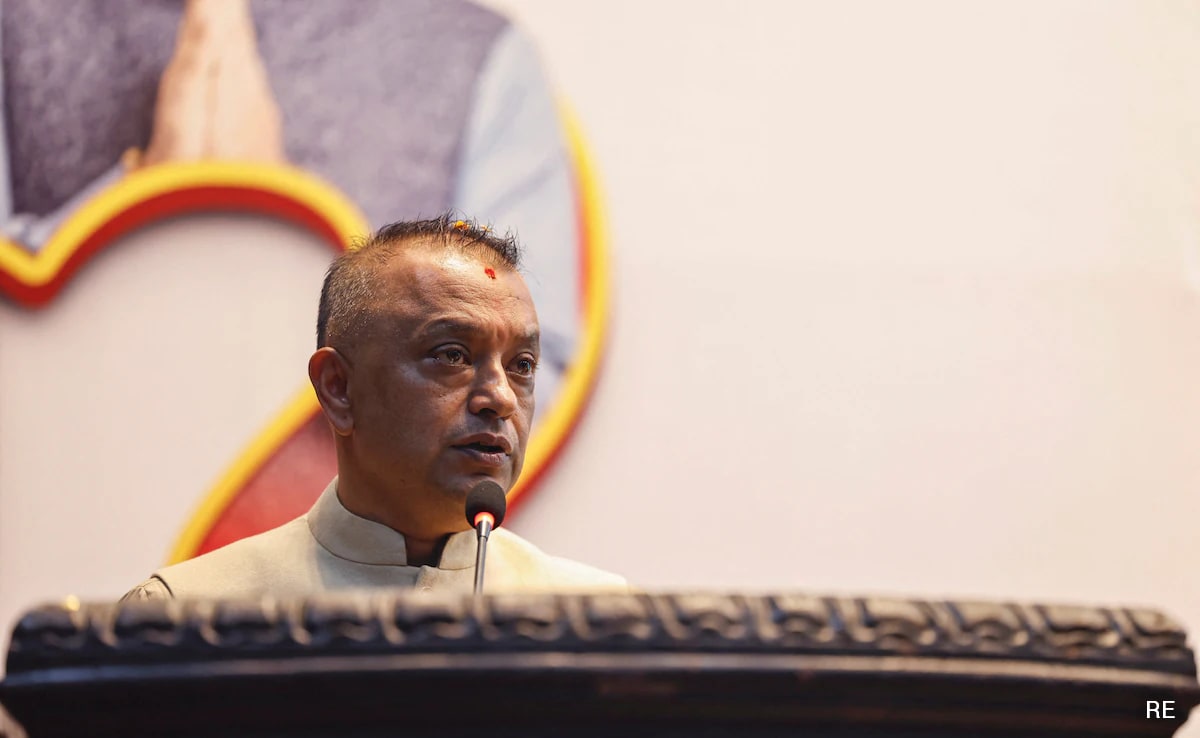
India cannot afford to be a bystander. The "Concern for India" mentioned by the Sri Lankan MP is an understatement. It is a fundamental challenge to India's rise. If New Delhi cannot guarantee the safety of ships within its own sphere of influence, its claim to be a "Net Security Provider" rings hollow.
The path forward is expensive and politically fraught. It involves deepening the Quad's maritime surveillance capabilities while simultaneously maintaining a diplomatic channel with Iran to ensure that Indian-flagged vessels aren't caught in the crossfire. It is a high-wire act with no safety net.
We are entering an era where the cost of globalization includes the cost of a standing naval presence in every major waterway. For the Indian consumer, this means the era of "cheap" imported goods may be coming to a permanent end. For the Indian government, it means the navy is no longer the "forgotten service"—it is now the frontline of national economic survival.
The ocean has become a battlefield where the weapons are sophisticated, the actors are unpredictable, and the stakes are nothing less than the stability of the global supply chain. India's next move will determine if it remains a regional power or if it can truly project the strength required to keep the world's most important trade routes open.
Watch the freight rates. They tell a more honest story than any diplomatic communiqué.
What you can do next
Check the current Harpex (Harper Petersen Charter Rates Index) to see how these maritime tensions are affecting global shipping prices in real-time.