The Branding Blunder That Isn't
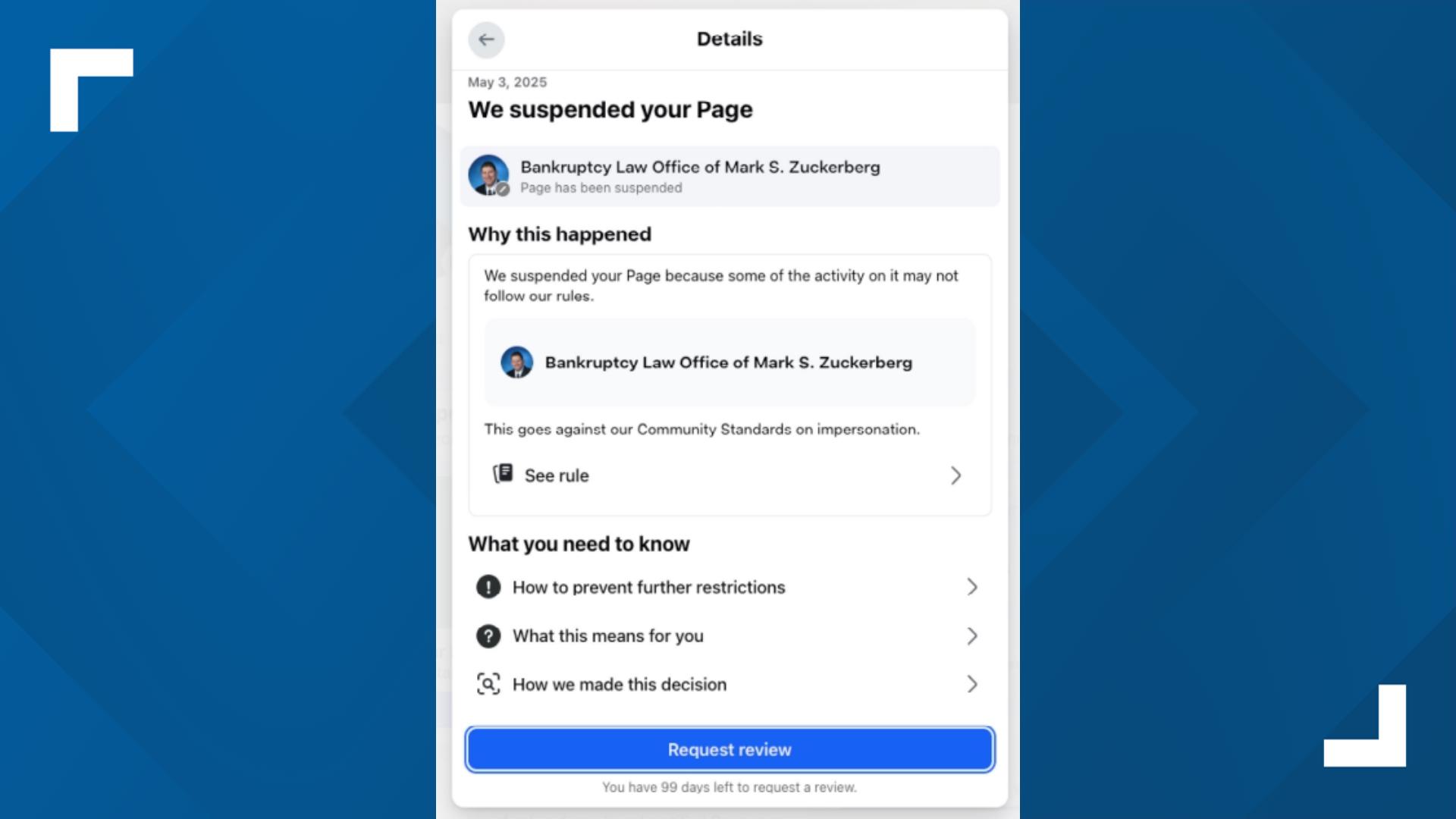
The tech press is currently tripping over itself to report that OpenAI has been "blocked" from using the "Cameo" name for its latest video features. They treat it like a legal defeat. They frame it as a strategic stumble. They are wrong.
In reality, the trademark dispute with Baron App Inc.—the owners of the celebrity-shoutout platform Cameo—is the best thing that could have happened to Sam Altman’s marketing team. Being "forced" to pivot away from a name associated with D-list actors charging $50 for a birthday greeting is a bullet dodged, not a battle lost.
If you think OpenAI actually mourned the loss of a name synonymous with novelty and fading relevance, you don’t understand how the Silicon Valley ego operates.
The Lazy Consensus on Trademarks
Most analysts argue that OpenAI’s attempt to snag the "Cameo" name was a failure of due diligence. They claim it shows a lack of foresight. That is the lazy take.
The sophisticated take is that in the world of hyper-growth AI, trademarks are often "placeholder" targets. You aim for a generic, evocative term, wait for the cease-and-desist, and then use the resulting friction to gauge your own market gravity. OpenAI didn't need the name Cameo; they needed to see who would flinch when they reached for it.
Why Cameo is a Terrible Brand for Generative AI
Let’s look at the mechanics of the existing Cameo brand. It is built on:
- Scarcity: You pay because the celebrity’s time is limited.
- Human Error: The charm is in the person stumbling over your name.
- Low Fidelity: It’s shot on an iPhone in a kitchen.
Generative AI video represents the exact opposite:
- Infinite Abundance: Compute is the only ceiling.
- Precision: The model does exactly what the prompt dictates.
- Cinematic Ambition: Tools like Sora are trying to replace Hollywood, not the guy who played the fifth lead in a 90s sitcom.
Associating high-end latent diffusion models with a platform used for prank videos is like trying to sell a Ferrari with a "Student Driver" bumper sticker. OpenAI didn't lose a brand; they escaped a category error.
Stop Asking if the Name is Available
The question people keep asking is: "Why didn't they check the trademark database?"
That's the wrong question. The right question is: "Why are we still naming revolutionary technology after 20th-century media tropes?"
When Google launched, it wasn't called "Library Search." When Uber launched, it wasn't called "Digital Hail." The moment you name a generative video tool something like "Cameo," you are signaling that your tech is a supplement to existing media rather than a replacement for it.
I’ve watched companies burn through $5 million in branding workshops only to settle on a name that describes what the product replaces instead of what it becomes. It’s a classic defensive crouch. OpenAI’s real mistake wasn’t the legal conflict; it was the lack of imagination in the initial choice.
The Math of Identity
In the equation of brand equity, we can model the value $V$ of a tech brand as:
$$V = \frac{A \cdot O}{F}$$
Where:
- $A$ is the Actual Utility (the "wow" factor of the video).
- $O$ is the Originality of the name.
- $F$ is the Friction of existing associations.
By trying to use "Cameo," OpenAI was effectively setting $F$ to a near-infinite value. They were inheriting a decade of baggage. By being "blocked," they’ve been handed a clean slate.
The Myth of the User Confusion
The legal argument for blocking the name rests on "likelihood of confusion." The theory is that a user might go to OpenAI’s video tool expecting to buy a video from Ice-T and instead get a hyper-realistic AI generation of a cat wearing a tuxedo.
This is legal fiction. No one is confused.
What the courts and the patent offices are actually protecting isn't the consumer; it's the monopoly on vibes. Baron App Inc. doesn't want OpenAI to use the name because it would immediately make the original Cameo look like a prehistoric relic. If OpenAI’s video tool is "Cameo," then the original Cameo is just "the old, expensive version with limited options."
The Counter-Intuitive Path Forward
If I were sitting in OpenAI’s C-suite, I wouldn't be looking for another "media" name. I’d be looking for a name that sounds like a fundamental force of nature.
- Abandon the "Feature" Mentality: Don't name the tool after what it does (e.g., "Clip," "View," "Scene").
- Embrace the Abstract: The most successful AI brands (Sora, Claude, Gemini) have no direct semantic link to "video" or "text."
- Weaponize the Pivot: Use the "rejection" from the Cameo name to signal that the tech has outgrown the current legal and social structures.
The industry is obsessed with "seamless" integration. They want AI to fit into the world we already have. That’s a losing strategy. The winners will be the ones who build brands that feel slightly uncomfortable—brands that suggest a new world is being built, not just an old one being "enhanced."
The Heavy Price of Safety
There is a downside to this contrarian view. When you move away from familiar names like "Cameo," you lose the immediate "mental hook" for the average consumer. You have to work harder to explain what the product is.
But for a company like OpenAI, which already has the world's undivided attention, "explanation" is a solved problem. They don't need a hook; they have a harpoon.
The Industry Insider’s Truth
I’ve been in the rooms where these decisions are made. Half the time, the trademark "conflict" is intentional. It’s a stress test. If your legal team can’t bully a smaller player off a name, you know your regulatory muscle isn't where it needs to be.
In this case, OpenAI found a player (Baron App Inc.) that had enough venture backing and brand recognition to actually fight back. That’s valuable data. It tells OpenAI where the boundaries of the "old guard" are drawn.
The tech world likes to pretend these disputes are about "intellectual property." They aren't. They are about territorial marking. OpenAI just realized that the territory marked "Cameo" is a swamp. They should be thanking the trademark office for the detour.
Stop looking for the "safe" name. Stop looking for the name that "fits." In a sector moving at 1,000 miles per hour, if your brand name doesn't feel like a threat to the status quo, you've already failed.
The "Cameo" name is a relic of 2017. OpenAI is building 2030. They should act like it.
Identify the next "lazy consensus" and break it before it breaks you.