The coffee in your mug is a miracle of logistics. It traveled from a high-altitude farm in Ethiopia, crossed the Red Sea, slipped through the Suez Canal, and eventually found its way to your kitchen in a suburban zip code. You don’t think about the Hormuz Strait when you take that first sip. You don’t think about the 21 million barrels of oil that pulse through that narrow, jagged needle’s eye every single day.
Until the pulse stops.
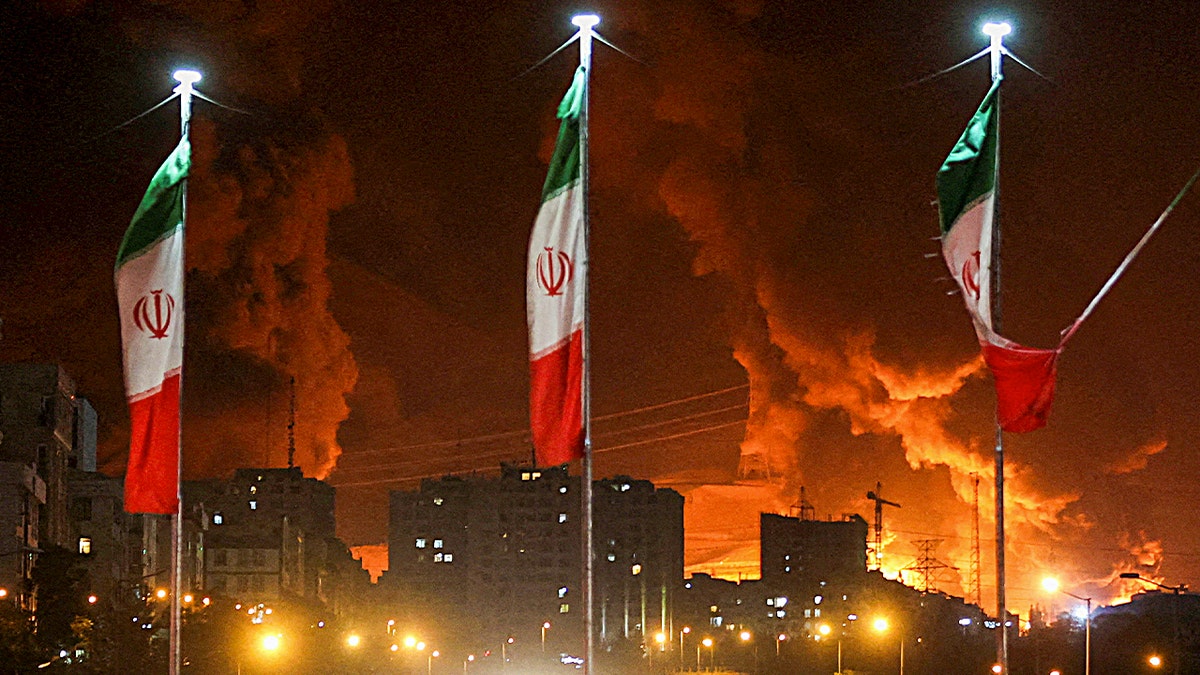
War between the West and Iran isn't a board game played with plastic tanks in a Pentagon basement. It is a physical breakage of the world's circulatory system. If the "Silence of the Strait" ever becomes a reality, the global economy won't just slow down. It will go into cardiac arrest.
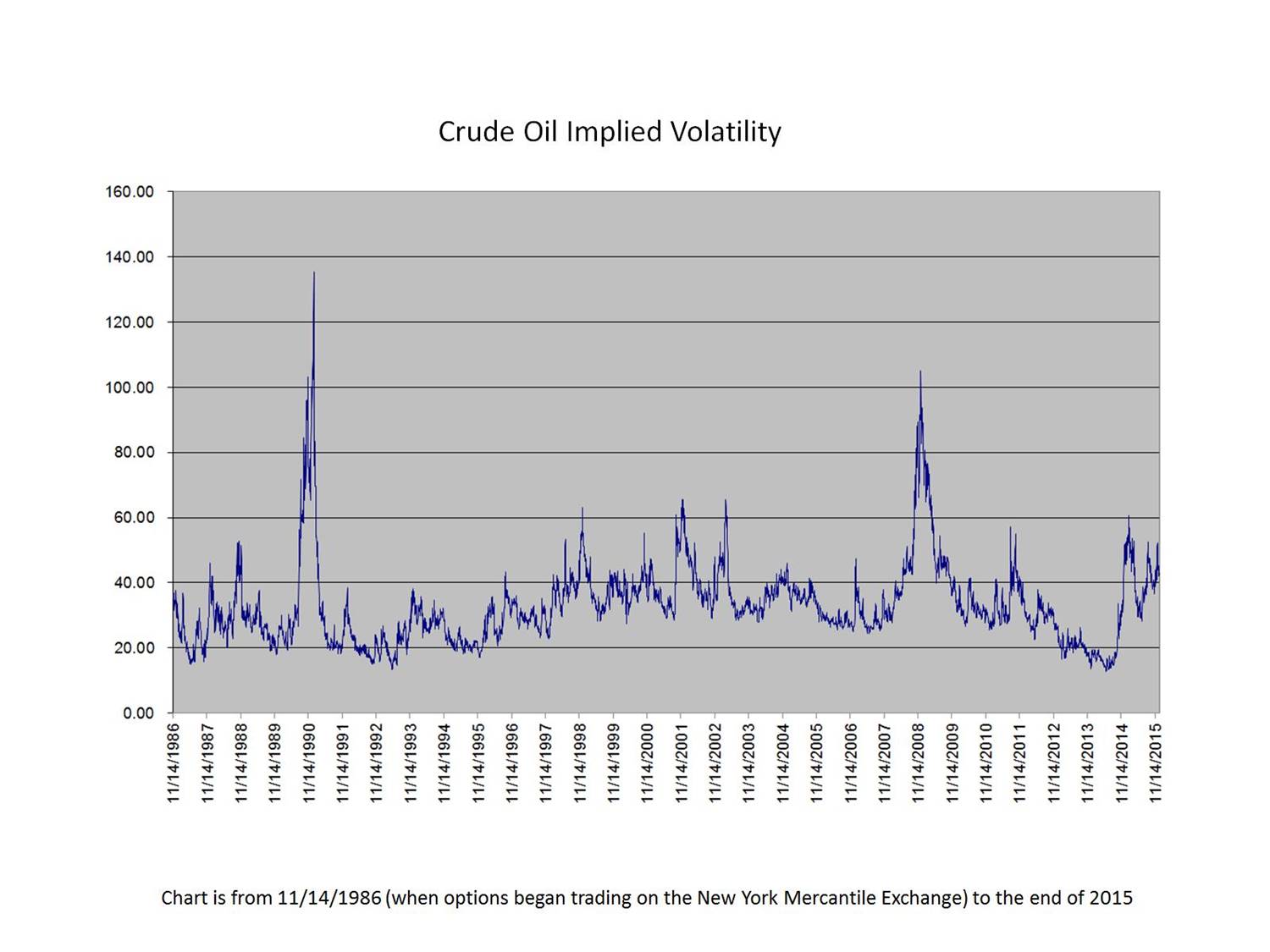
Consider a hypothetical—but mathematically grounded—scenario involving a logistics manager named Elias. Elias works for a mid-sized trucking firm in Dusseldorf. He isn't a general. He doesn't follow Middle Eastern geopolitics. But on the third day of a hot conflict in the Persian Gulf, Elias watches his computer screen turn red. The price of Brent Crude has just leaped by $40 in a single afternoon.
The math is brutal. The Strait of Hormuz is the world's most important chokepoint. At its narrowest, the shipping lanes are only two miles wide. If Iran follows through on decades of threats to mine those waters or use shore-based missiles to sink a VLCC (Very Large Crude Carrier), the insurance markets for global shipping will evaporate in hours. No captain will sail into a literal minefield without insurance, and no insurer will cover a ship that is essentially a floating target.
Suddenly, 20% of the world’s petroleum liquids are trapped.
The Dominoes in the Driveway
We like to think of "the economy" as a series of stock tickers or a green line on a CNBC broadcast. It’s more intimate than that. It’s the price of a gallon of milk.
When oil prices spike due to a Gulf conflict, the first casualty is the transport industry. But the second casualty is the grocery store. Modern agriculture is essentially a way of turning fossil fuels into calories. Fertilizers are made from natural gas—of which Iran holds the world’s second-largest reserves. The tractors that till the soil run on diesel. The refrigerated trucks that keep your spinach from wilting consume even more.
If crude oil hits $150 or $200 a barrel, the "inflationary ghost" we’ve spent years trying to exorcise returns with a vengeance. Central banks, which had finally started lowering interest rates, would be forced to slam on the brakes. Your mortgage remains high. Your credit card debt becomes a predatory weight. Small businesses that survived a pandemic and a supply chain crisis finally find a hurdle they cannot clear.
The human cost of a $7 gallon of gasoline isn't just about "spending more." It’s about the nurse who can’t afford the commute to the hospital. It’s about the elderly man who has to choose between heating his home and buying his heart medication. These are the invisible shrapnel of a war fought thousands of miles away.
The Silicon Shield and the Fragile Chip
The threat isn't limited to the gas pump. Our modern lives are built on a foundation of high-end semiconductors, and those chips require a level of global stability that a regional war would shatter.
Imagine a tech executive in Seoul or Taipei. She is looking at the shipping delays caused by diverted vessels. Because the Suez Canal becomes a ghost town when the Middle East catches fire, ships are forced to sail around the Cape of Good Hope. This adds weeks to delivery times and millions to fuel costs.
In a world of "just-in-time" manufacturing, a two-week delay is an eternity. The smartphone you were going to buy for your daughter’s birthday isn't in stock. The new MRI machine for the local clinic is backordered for six months. We have built a world of incredible efficiency, but we traded away our resilience to achieve it. We are a planet of high-performance athletes with no body fat to survive a winter.
The Sovereign Debt Trap
There is a deeper, more academic fear that haunts the halls of the IMF, though they rarely speak of it in such visceral terms. It is the specter of the "Developing World Default."
Countries like Egypt, Pakistan, and Sri Lanka are already balancing on a razor's edge. They are "energy importers," meaning they buy their survival in US dollars. When the price of oil doubles and the value of the dollar surges—as it always does during a global security crisis—these nations find themselves bankrupt.
When a nation cannot afford to feed its people or fuel its power plants, the result isn't just a line item on a spreadsheet. It is civil unrest. It is migration. It is the destabilization of entire regions that were previously "safe." A war with Iran doesn't stay in the Gulf. It ripples outward, turning a regional fire into a global drought of resources and stability.
The Psychological Recession
Perhaps the most underestimated factor is the "shroud of uncertainty." Markets can price in a disaster, but they cannot price in a mystery.
If a war breaks out, every CEO on the planet hits "pause." They stop hiring. They stop expanding. They stop innovating. They wait to see if the world is going to end or just get very expensive. This collective holding of the breath is what triggers a "psychological recession." Even if your specific job has nothing to do with oil or Iran, the fear in the atmosphere becomes a self-fulfilling prophecy.
We saw a shadow of this in 2022 when Russia invaded Ukraine. We saw how a disruption in one corner of the world could lead to a bread riot in North Africa and a heating crisis in Germany. But Iran is a different beast. It sits at the literal crossroads of the world's energy supply.
The Ghost of the 1970s
Those who remember 1973 remember the lines. They remember the "odd-even" days for license plates at the gas station. They remember the feeling that the engine of progress had suddenly sputtered and died.
But in 1973, we didn't have a globalized digital economy. We didn't have global supply chains that relied on micro-second precision. Today, we are far more interconnected, which means we are far more vulnerable. A cyberattack on a Saudi refinery or a blockade of the Strait doesn't just stop cars; it stops the flow of data, the movement of goods, and the very trust that allows a bank in London to lend to a builder in Ohio.
The real "war" isn't just fought with drones and fast boats. It is fought in the price of bread, the cost of a loan, and the stability of the neighborhood grocery store.
We live in a world where we have forgotten that peace is a prerequisite for prosperity. We treat the global economy like a natural law, like gravity or the turning of the tides. It isn't. It is a fragile, human-made web of trust and fossil fuels.
When you look at a map of the Persian Gulf, don't just see oil fields and naval bases. See the invisible lines that connect that water to your dinner table, your workplace, and your children’s future. The stakes aren't measured in territory. They are measured in the quiet, desperate math of a family trying to make ends meet while the world outside their window burns.
The lights are on in the situation room, but they are also flickering in your living room.
Would you like me to analyze the historical parallels between the 1970s oil shocks and the current economic vulnerabilities in the Persian Gulf?