The Lebanese Armed Forces (LAF) just hit a milestone that many observers thought was decades away. According to military leadership, the army has finished the first phase of its plan to pull heavy weaponry out of Hezbollah’s hands in Southern Lebanon. It’s a massive claim. If you’ve followed Middle Eastern geopolitics for more than five minutes, you know that the "State within a State" dynamic in Lebanon has been the defining feature of the country's instability since the 1980s.
For the first time in a generation, we’re seeing a formal, state-led push to reclaim the monopoly on force. The military says they've successfully cleared the first designated "Blue Zone" of heavy rocket launchers and anti-tank guided missiles. They aren't just moving crates; they’re trying to move the needle on Lebanese sovereignty.
But let’s be real. There’s a huge difference between moving some hardware and actually dismantling a paramilitary infrastructure that’s deep-rooted in the soil. The army is walking a tightrope. One wrong move and the country slides back into civil war. One move too slow and the international community pulls the plug on funding. It's a mess, but it's a mess with a roadmap.
The Reality of the First Phase
The military's announcement focuses on the geographical strip between the Litani River and the UN-monitored border. Phase one wasn't about door-to-door searches or arresting top-tier commanders. That would have been a suicide mission. Instead, the LAF worked through a series of "coordinated withdrawals" and "storage transfers."
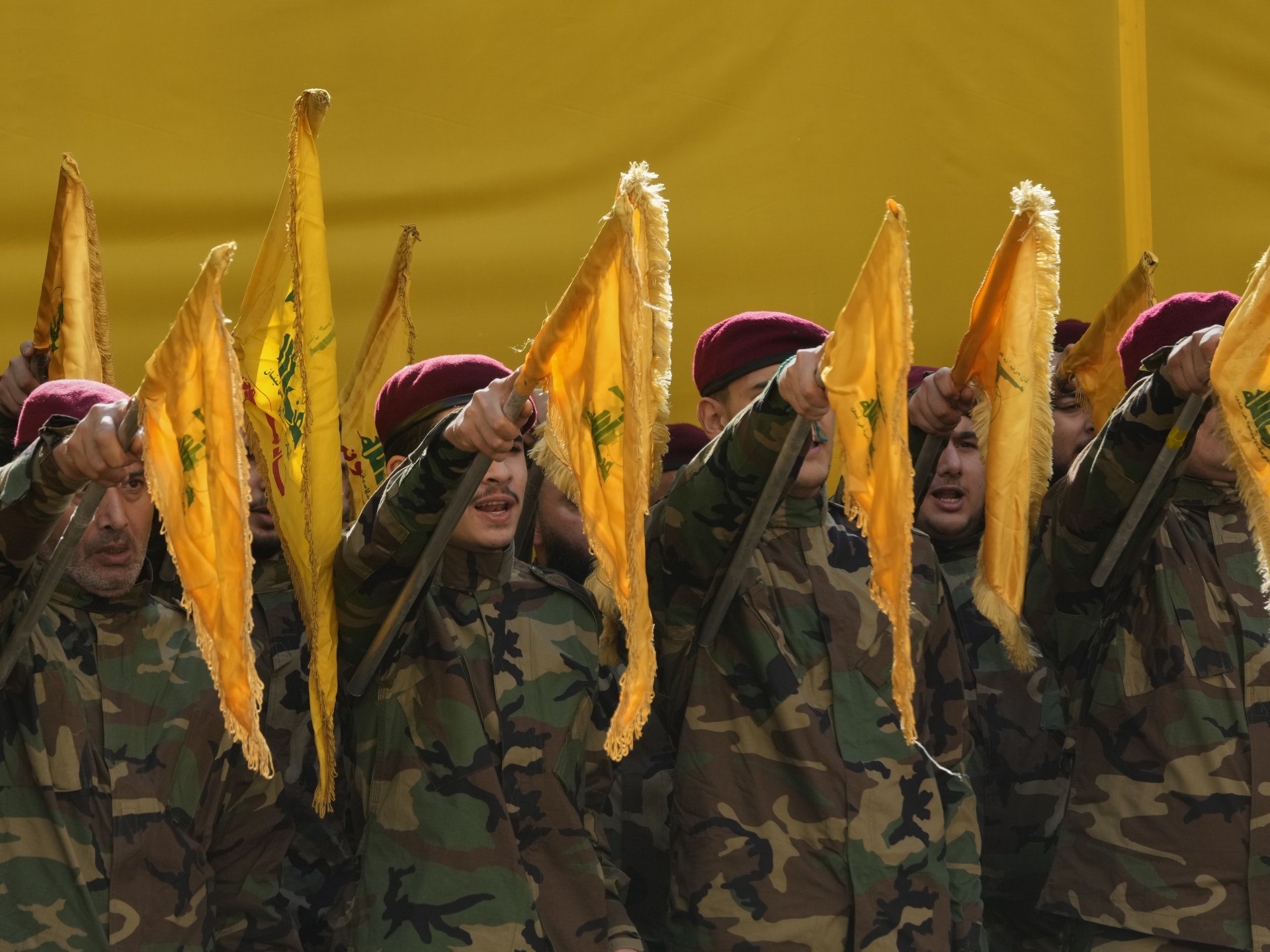
Basically, the army moved into positions previously held by Hezbollah's elite Radwan units. They took over observation posts. They secured known launch sites. Most importantly, they did it without a direct firefight. To the casual observer, this looks like a miracle. To those who know how Lebanon works, it looks like a very delicate negotiation.
The army isn't just acting on its own. This is part of a broader push to satisfy the requirements of UN Security Council Resolution 1701. The international community, led by France and the US, has made it clear: no more blank checks for Lebanon unless the state starts acting like a state.
Why This Timing Matters
Lebanon is broke. The economy hasn't just tanked; it’s cratered. The Lebanese Lira is a memory. People are angry. In this environment, the LAF is the only institution left with any shred of cross-sectarian respect.
Hezbollah is also in a weird spot. Their patron, Iran, is dealing with its own internal and regional headaches. The group’s leadership knows that a full-scale confrontation with the Lebanese Army right now would be PR poison. They’d go from "the resistance" to "the occupiers" in the eyes of their own neighbors.
The military is using this window of vulnerability. By labeling this "Phase One," they're signaling to the world that they have a plan. They're telling the IMF and the World Bank that there’s a stable partner on the ground.
The Gear and the Grunts
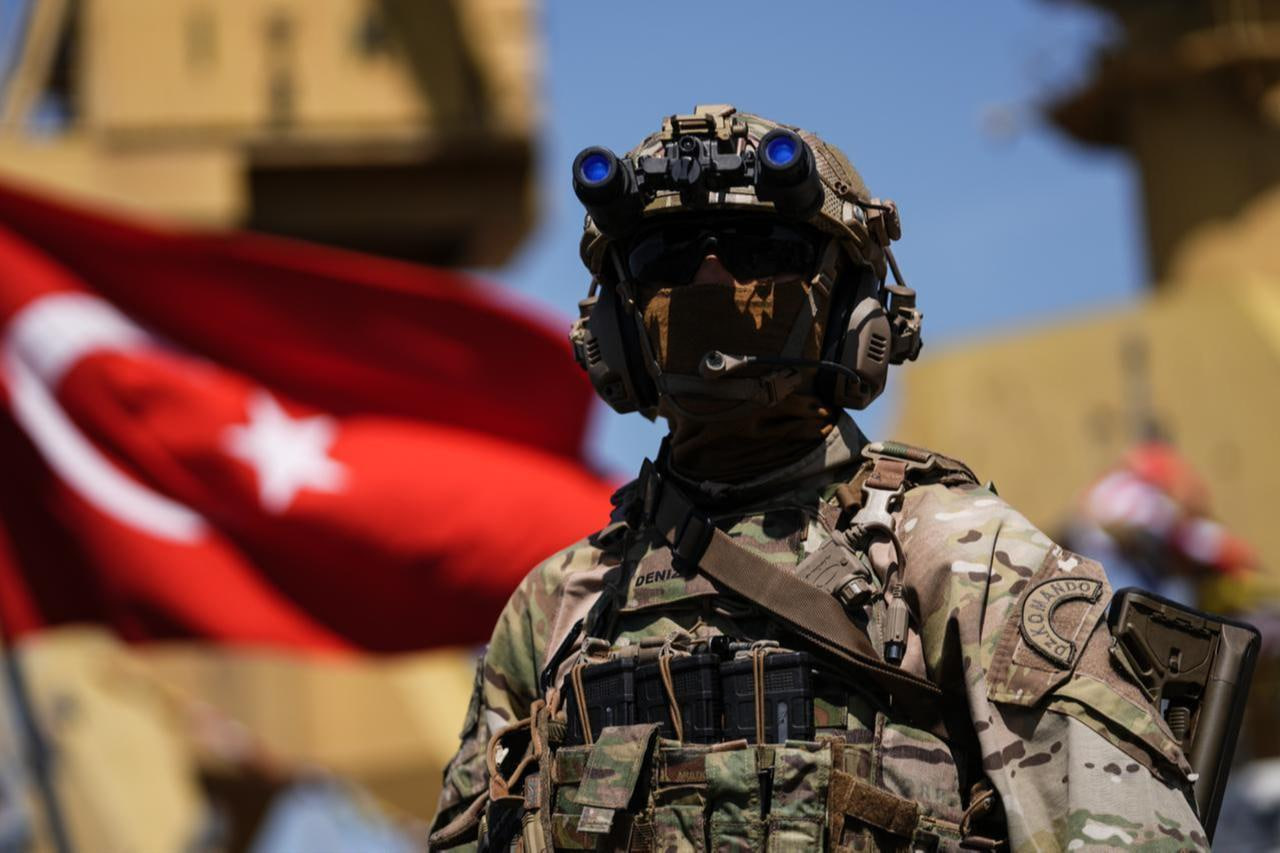
You can't disarm a sophisticated militia with old Jeeps and bolt-action rifles. The LAF has been receiving significant upgrades. We’re talking about Bradley Fighting Vehicles, ScanEagle drones, and advanced communications gear provided by the Pentagon.
What the Military is Actually Doing
- Setting up permanent checkpoints on every major artery leading to the Litani.
- Integrating former militia "monitoring stations" into the national radar grid.
- Using thermal imaging to track night-time movements in the rugged valleys of the South.
- Deploying specialized engineering units to scout for hidden tunnels.
It’s not just about the weapons. It’s about the presence. When a Lebanese soldier stands at a crossroads where a Hezbollah fighter used to sit, the psychology of the town changes. It’s a slow-motion reclamation of land.
The Misconceptions About Disarmament
Don't buy the hype that Hezbollah is "gone" from the south. They've lived there for forty years. Their fighters are the local shopkeepers, the farmers, and the teachers. The army isn't "disarming" individuals; they're disarming the organization’s ability to move heavy freight.
People often ask why the army doesn't just go in and take everything at once. That's a recipe for a bloodbath. The LAF is made up of Lebanese citizens from every sect. If the command gave an order to attack a Shia village, the army might split along sectarian lines.
The strategy is "containment through bureaucracy." By making it physically impossible to move a truck-mounted rocket launcher without hitting three army checkpoints, the military effectively neuters Hezbollah’s offensive capability without firing a shot. It's boring. It's slow. It's the only way it works.
International Pressure and the Funding Gap
The US recently pledged another $120 million in military aid, but that money comes with strings. The LAF has to prove they aren't just a "delivery service" for Hezbollah's interests. This phase one completion is the "proof of concept" the generals needed to show their donors in D.C. and Paris.
However, there's a massive risk. If the LAF pushes too hard in phase two, they risk losing the domestic "quiet" they’ve enjoyed. If they don't push hard enough, the US Congress might freeze the next shipment of parts for their Huey helicopters. The military leadership is playing a game of geopolitical poker where the stakes are the survival of the republic.
What to Watch in the Coming Months
The real test isn't what happened last week; it’s what happens in phase two. That’s when the army moves into the "support zones" further north. This is where the logistics hubs are. This is where the long-range missiles are tucked away in garages and warehouses.
Keep an eye on the "Coordination Committee." This is the back-channel group where army officers and Hezbollah representatives talk. If those meetings stop, the "peaceful" transition is over.
You should also watch the border activity. If the LAF can successfully prevent unauthorized personnel from approaching the Blue Line, they'll have done something the UN has failed to do for nearly twenty years. It would change the entire security architecture of the Levant.
Immediate Practical Indicators
- Fuel Supplies: Watch if the army takes control of the specialized fuel depots in the south.
- Port Security: Look for increased LAF presence at the smaller coastal inlets used for smuggling.
- Communication Towers: Check if the state telecommunications ministry starts reclaiming illegal fiber-optic networks.
This isn't a "mission accomplished" moment. It’s a "mission started" moment. The Lebanese military has finally stepped onto the field. They've claimed the first round. But in Lebanon, the game is never really over until every player leaves the table, and right now, everyone is still sitting down.
If you're following this, stop looking for big explosions. Look for the small, quiet transfers of authority. Look for the army’s flags replacing yellow banners on the hillsides. That’s where the real story lives. The next step for anyone tracking this is to monitor the Lebanese Cabinet's budget allocations for the South. If the money for reconstruction follows the army, the state might actually win this time. Keep your eyes on the Litani.