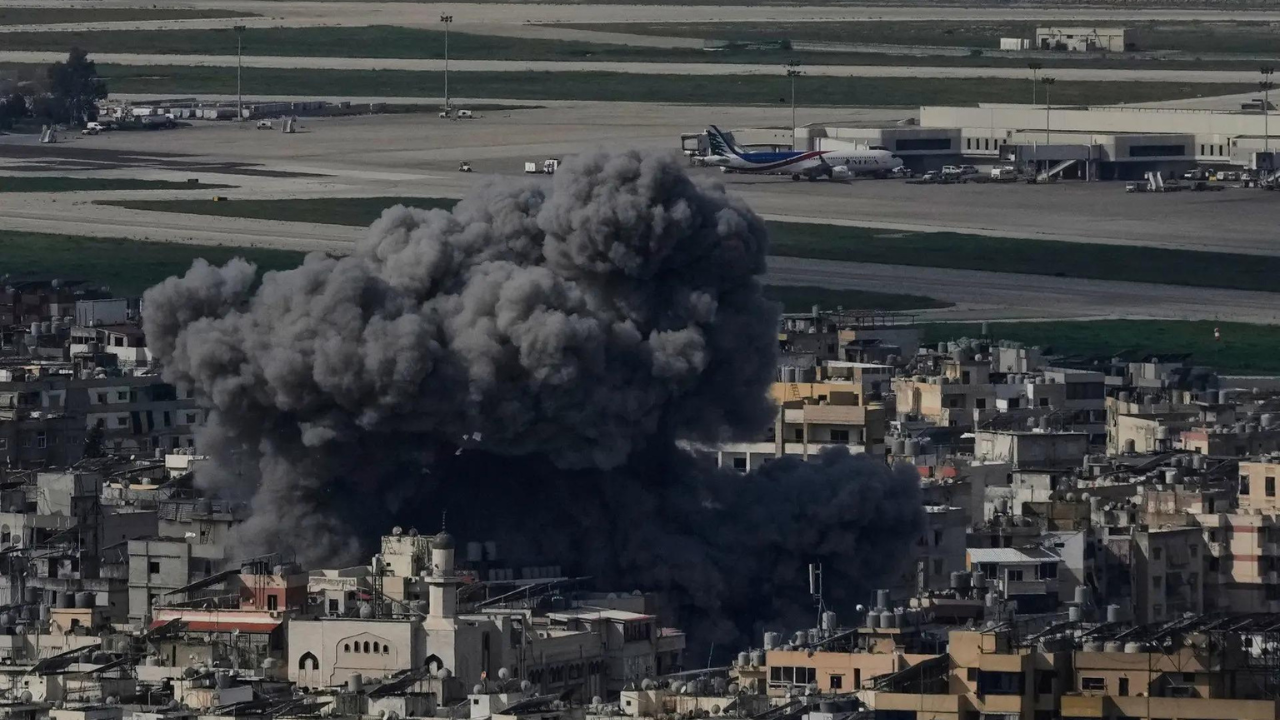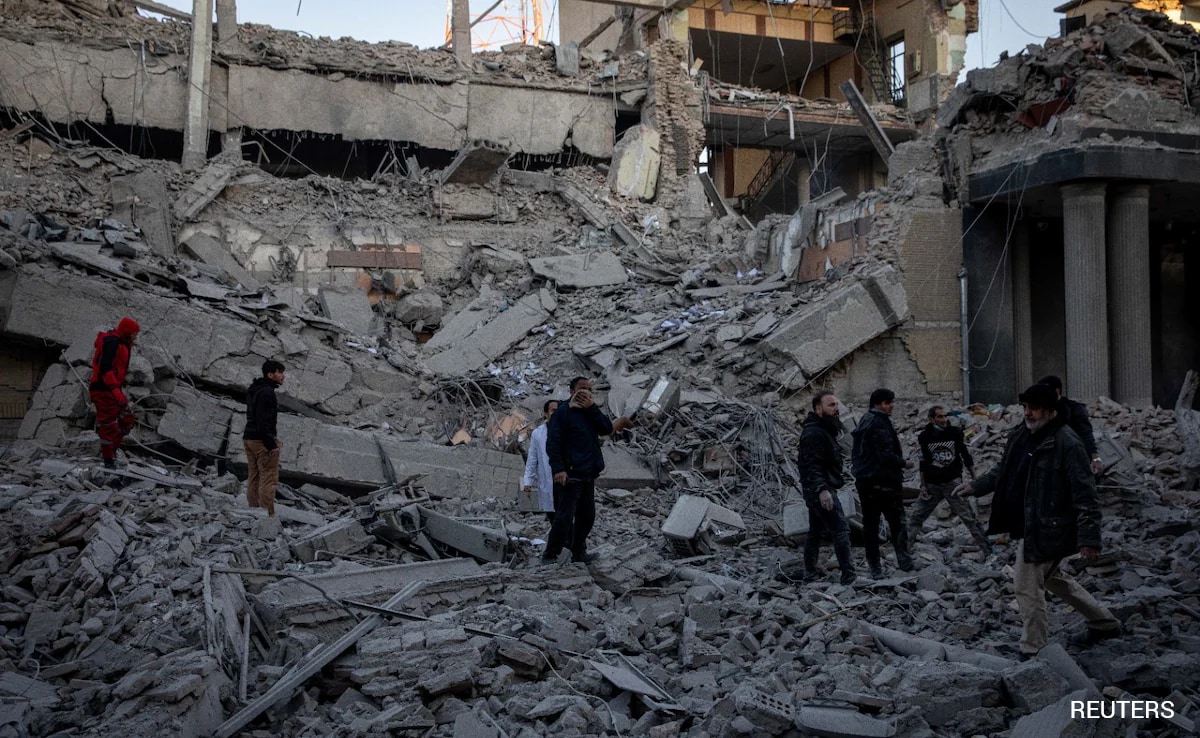
The sirens in Tel Aviv don't sound like they used to. They're constant now. Early Thursday, March 5, 2026, Iran launched a massive fresh wave of ballistic missiles at Israel, officially dragging this conflict out of the "skirmish" phase and into a full-blown regional nightmare. If you've been following the headlines, you know the basics—missiles flying, iron domes buzzing, and Tehran shaking from retaliatory blasts. But what's happening on the ground is way more chaotic than the sanitized news reports suggest.
This isn't just another exchange of fire. It's the sixth day of a high-stakes campaign codenamed Operation Roaring Lion by Israel and Operation Epic Fury by the U.S. government. For the first time in decades, the "shadow war" is dead. The gloves are off, the borders are blurred, and the conventional rules of Middle Eastern engagement have been tossed into the fire.
The Morning the Sky Fell in Tel Aviv
The attack on Thursday morning wasn't a surprise, but its scale was. Iranian state television basically broadcast the intent before the first engine ignited, claiming they were targeting military and economic infrastructure to avenge their "martyrs." In Jerusalem and Tel Aviv, people didn't just hear the sirens; they felt the impact of interceptions vibrating through their floors.
The Israel Defense Forces (IDF) confirmed they identified multiple launches from Iranian territory. While the Arrow and David’s Sling systems are working overtime, some stuff is getting through. We're seeing reports of cluster munition warheads landing near Tel Aviv. These aren't just "scare tactics." They’re designed to saturate defenses and cause maximum civilian casualties. Medics have already treated at least 12 people for injuries today, and that number is likely to climb as the smoke clears from central Israel.
Tehran Under the Gun
While Israelis were heading to shelters, residents in Tehran were waking up to the sound of their own city being dismantled. This isn't just about hitting a few remote missile silos anymore. The IDF and U.S. forces are going straight for the throat of the regime.
On Wednesday and into early Thursday, strikes hammered:
- The Supreme National Security Council building.
- The Assembly of Experts headquarters (the folks responsible for picking the next Supreme Leader).
- Key Basij paramilitary hubs and IRGC command centers.
Honestly, the message is pretty clear. The U.S. and Israel aren't just trying to stop missiles; they’re trying to induce a total collapse of the current power structure. Reports from the ground in Tehran describe a "near-total" internet blackout, with connectivity dropping to about 4%. If you're trying to call family there, forget it. The regime is terrified of internal dissent bubbling up while they're being hit from the air, so they've effectively cut the country off from the world.
The Indian Ocean Escalation You Probably Missed
The biggest catalyst for this latest missile barrage happened thousands of miles away from the West Bank. On Wednesday, March 4, a U.S. Navy submarine torpedoed and sank the IRIS Dena, an Iranian warship, in the Indian Ocean off the coast of Sri Lanka.
Think about that for a second. The war has expanded from the Persian Gulf all the way to the waters of South Asia. At least 83 Iranian sailors are dead. For Tehran, this was the final straw. They view the sinking of a ship in international waters as a "bitter precedent" that they feel forced to answer with fire. Since the conflict kicked off on February 28, the U.S. has sunk or neutralized more than 20 Iranian naval vessels, including the helicopter carrier Shahid Bagheri. Iran's navy is, for all intents and purposes, a ghost fleet right now.
Why This War Feels Different
In the past, we’d see a few drones, a few stern warnings at the UN, and then a de-escalation. This time? There’s no "off-ramp."
- The Leadership Vacuum: With Supreme Leader Ayatollah Ali Khamenei reportedly killed at the very start of this campaign, the Iranian regime is operating in a headless-chicken mode. Power has been devolved to lower-level commanders, which makes their moves way more unpredictable.
- The Gulf is Burning: It's not just Israel and Iran. Missiles have hit Bahrain, Kuwait, and the UAE. The U.S. Embassy in Kuwait was directly struck by drones. These countries are being forced to pick a side, and their neutrality is evaporating fast.
- The Nuclear Risk: Despite the IAEA claiming there’s no "radiological incident" yet, the IDF has been pounding sites near the Natanz enrichment plant and facilities in Isfahan. One lucky (or unlucky) strike could change the environmental and political map of the region forever.
The Economic Gut Punch
If you've noticed gas prices creeping up this week, here's why. Iran has effectively shut down the Strait of Hormuz. About 20% of the world's oil flows through that tiny chink in the armor. With the IRGC threatening to "shoot so many missiles" at anything that moves in the water, shipping companies are grounded.
President Trump has ordered U.S. Navy escorts for tankers, but insurance companies are laughing at that. Nobody wants to send a billion-dollar cargo ship into a zone where ballistic missiles are raining down like hailstones. We’re looking at a global energy crisis that makes 1973 look like a minor inconvenience.
What Happens Tonight
The IDF has already signaled that its "targeted strikes" in Lebanon against Hezbollah are accelerating. They're trying to prevent a multi-front ground invasion while they deal with the Iranian missile threat. Meanwhile, U.S. Defense Secretary Pete Hegseth basically said the U.S. is "just getting started." The plan seems to be a total "clearing of the skies" over Iran, followed by a sustained bombing campaign of 500- and 2,000-pound munitions.
Essentially, we’re past the point where diplomacy can fix this. The rhetoric coming out of Washington and Jerusalem is about "regime change," not "deterrence." Iran knows it's an existential fight, which makes them incredibly dangerous. They’ve already used cluster munitions; what’s next?
If you have family in the region or interests in global markets, the next 48 hours are the most critical we've seen in our lifetime. Stay off the main roads in Tel Aviv, keep your satellite phones charged if you're in the Gulf, and watch the price of Brent Crude. This isn't just another news cycle; it's a remapping of the modern world.