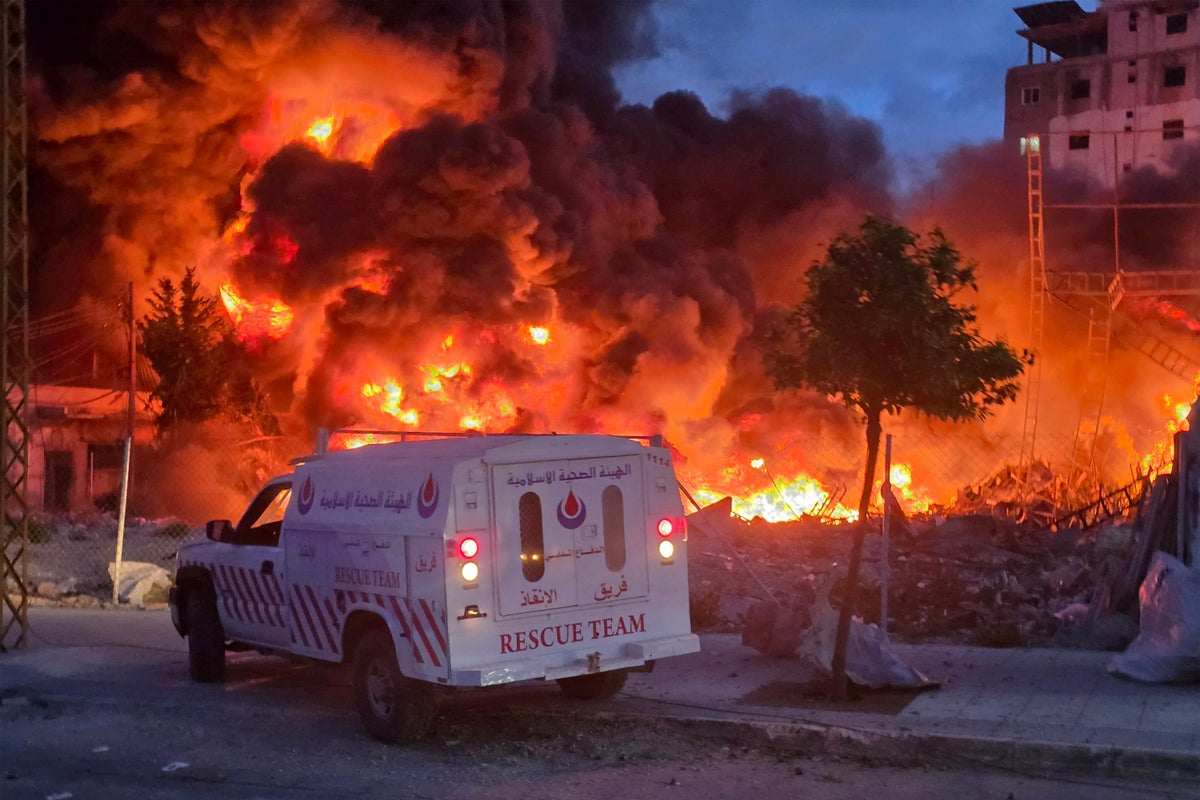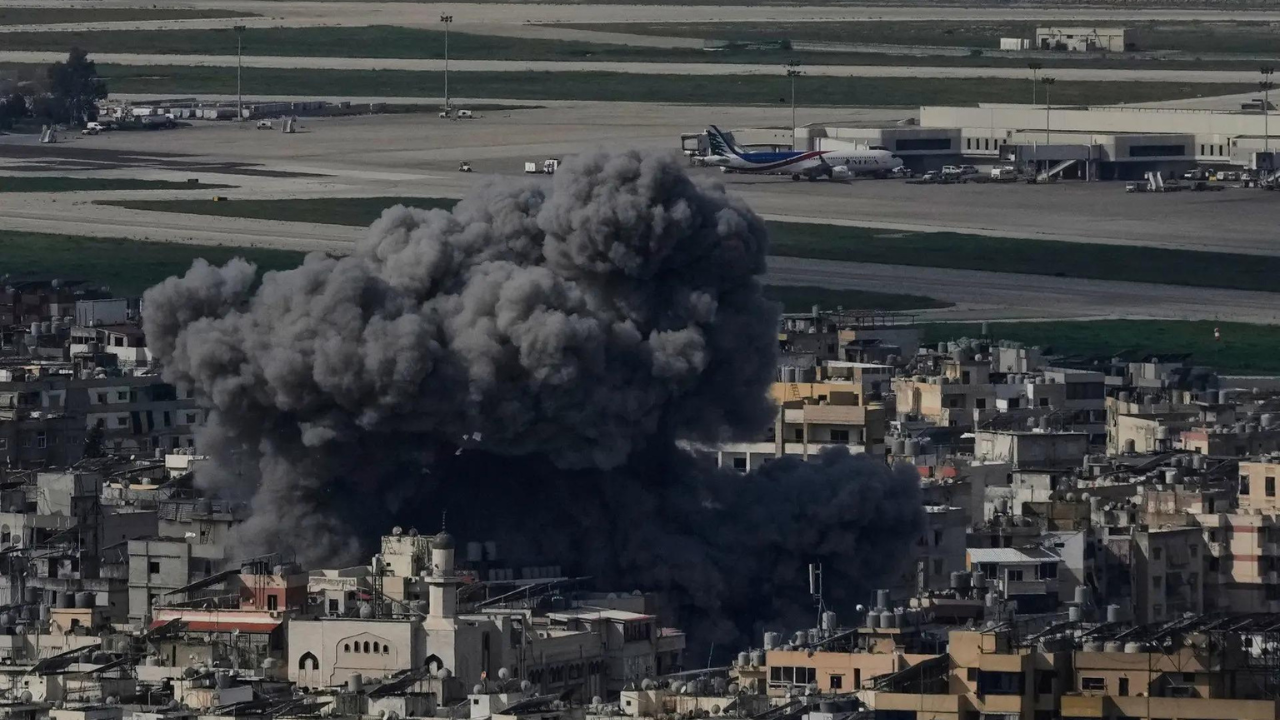
The shadow war is over. By striking a commercial tanker off the coast of Kuwait and triggering a direct ballistic exchange between Tehran and Jerusalem, the regional players have shredded the unspoken rules of engagement that kept global energy markets stable for a decade. This isn't just another flare-up in a tired cycle of violence. It is a fundamental shift in how the world’s most sensitive chokepoint operates. When that tanker ignited near Kuwaiti waters, it did more than spill crude into the Persian Gulf; it signaled that the "Red Line" strategy used by Western intelligence has failed.
The immediate result is a chaotic scramble for maritime security that the current naval coalitions cannot meet. For years, the working theory was that Iran would never risk a total shutdown of the Strait of Hormuz because its own economy depends on the water. That theory is dead. Tehran is now betting that the pain of an oil supply shock will force the West to restrain Israel, even as Israeli missiles pierce Iranian airspace. It is a high-stakes gamble with the global economy as the chips.
The Kuwaiti Explosion and the Myth of Maritime Safety
The "large explosion" reported off the coast of Kuwait was not an accident of maintenance or a random mine. Intelligence sources suggest a sophisticated operation designed to hit the specific pressure points of the global insurance market. By targeting a vessel in what was previously considered a "safe zone" outside the immediate friction points of the Southern Gulf, the attackers have effectively expanded the war zone to the entire Arabian Peninsula coastline.
The spill is a tactical distraction. While environmental teams scramble to contain the slick, the real damage is happening in the boardrooms of London and Singapore. Lloyd’s of London syndicates are already adjusting war-risk premiums to levels that make standard transit nearly impossible for smaller independent operators. When the cost of insuring a hull exceeds the profit of the cargo, the supply chain breaks.
This isn't just about the price at the pump. It’s about the petrodollar infrastructure. If tankers cannot safely navigate the Gulf without a destroyer escort, the "just-in-time" delivery system for global energy collapses. We are looking at a scenario where the physical delivery of oil becomes secondary to the mere ability to move it.
Why the US Response is Lagging
Washington finds itself in a strategic vice. On one hand, the White House must support its primary regional ally, Israel, against direct missile threats. On the other, every US kinetic response against Iranian assets provides Tehran with the pretext to further harass commercial shipping.
The Pentagon’s "Prosperity Guardian" initiative was designed for the Red Sea, not a multi-front maritime war that includes the Gulf of Oman and the Kuwaiti coastline. The resources are stretched thin. You cannot protect every hull when the threat comes from $20,000 suicide drones and sophisticated sub-surface mines.
The Missile Exchange and the End of Deterrence
When Iran launched its latest salvo toward Israel, it wasn't seeking a knockout blow. It was conducting a live-fire stress test of the world’s most advanced air defense network. They wanted to see how many projectiles it takes to saturate the Arrow and David’s Sling systems.
Israel’s retaliation was equally calculated. By bypassing traditional proxy targets in Lebanon or Syria and hitting Iranian soil directly, Jerusalem is communicating that the era of "strategic patience" is finished. This is the direct confrontation that analysts have warned about since 1979.
The problem with direct confrontation is the lack of off-ramps. In the past, both sides used back-channel diplomacy in Oman to de-escalate. Those channels are currently silent. The rhetoric has shifted from political posturing to existential survival. When a nation views an opponent as an existential threat, the logic of "proportionality" goes out the window.
The Missile Math
- Saturation Point: Iran is betting on quantity over quality. If they fire 400 drones and 100 ballistic missiles, and only 5% hit their targets, they still count it as a victory because of the cost-disparity. An interceptor missile costs millions; a Shahed drone costs less than a used car.
- Infrastructure Targets: We are seeing a shift in targeting toward power grids and desalination plants. In the Middle East, water is as valuable as oil. Hitting a desalination plant in Israel or a refinery in Iran creates a domestic crisis that no amount of military bravado can fix.
The Economic Aftershocks No One Is Pricing In
Wall Street likes to believe that Middle East tension is a temporary spike. They are wrong. We are entering a period of permanent instability that will bake a "conflict premium" into every barrel of oil for the foreseeable future.
China, the largest buyer of Iranian crude, is in a precarious spot. They need the oil to fuel their industrial recovery, but they cannot afford to be seen as the financiers of a war that disrupts the rest of their global trade. Beijing’s "neutrality" is being tested. If the Gulf closes, China’s economy takes a hit that makes the 2008 financial crisis look like a minor correction.
The Insurance Deadlock
The maritime insurance market is the invisible hand that rules the waves. Right now, that hand is clenching into a fist.
- War Risk Surcharges: These are being applied not just to the Red Sea, but to the entire Indian Ocean transit.
- Reinsurance Pullbacks: Large reinsurers are starting to write "exclusion clauses" for the Persian Gulf. If you can't get reinsurance, you can't get a bank loan for the cargo.
- The Shadow Fleet: As legitimate shippers pull out, the "shadow fleet"—old, poorly maintained tankers with opaque ownership—will fill the void. This dramatically increases the risk of a massive environmental disaster that no one will take responsibility for cleaning up.
The Intelligence Failure of the Decade
How did we get here? For years, Western intelligence agencies operated under the assumption that Iran’s "Forward Defense" doctrine was purely defensive—a way to keep the fight away from their borders.
That was a miscalculation.
The current offensive shows a regime that is no longer afraid of a direct war. Whether this is due to their deepening ties with Moscow or a domestic need to distract from internal unrest, the result is the same. The West has spent billions on high-tech surveillance, yet they were blindsided by the scale and coordination of the tanker attacks and the subsequent missile launches.
We are seeing a democratization of precision warfare. You no longer need a billion-dollar air force to shut down a global trade artery. You just need a few committed operators, some off-the-shelf tech, and a willingness to burn the house down.
The Failure of Regional Diplomacy
The Abraham Accords were supposed to create a "New Middle East" where economic integration would make war unthinkable. That vision is currently under a pile of rubble. The Arab states—Saudi Arabia, the UAE, Jordan—are caught in an impossible position. They want to protect their sovereignty and their relationship with the US, but they cannot ignore the rising fury of their populations.
The "Cold War" between Riyadh and Tehran has turned into a hot war by proxy, and now the proxies are being bypassed. The Gulf states are realizing that their ultra-modern cities and multi-billion dollar tourism projects are incredibly fragile. A single missile hitting a skyscraper in Dubai or a refinery in Abqaiq would end the "Vision 2030" dream in an afternoon.
The Role of Russia
Russia is the silent beneficiary of this chaos. Every barrel of oil that doesn't leave the Gulf makes Russian Urals more valuable. Every US carrier group tied down in the Middle East is one less resource available for Ukraine. Moscow isn't just watching from the sidelines; they are providing the diplomatic cover and potentially the technical expertise that allows Tehran to continue this escalation. This is a multi-theater conflict now. You cannot separate what happens in the Strait of Hormuz from what happens on the banks of the Dnieper.
The Military Reality on the Ground
Forget the talking heads on cable news. The military reality is that there is no "clean" way to end this. If Israel targets Iran's nuclear facilities, Iran will set the Gulf on fire. If the US tries to escort every tanker, they will lose ships to asymmetric attacks.
The technology of defense is currently losing to the technology of offense. It is much easier to break things than it is to protect them. The "Iron Dome" is a marvel, but it is not a bubble. Eventually, things get through. And in a war involving ballistic missiles and chemical tankers, "eventually" is a terrifying word.
The spill off Kuwait is a warning shot. It tells the world that the oil isn't just at risk—it's already being used as a weapon. The black slick spreading across the Gulf waters is a physical manifestation of a geopolitical order that is coming apart at the seams.
Investors and policymakers waiting for a "return to normal" are looking for a world that no longer exists. The map has been redrawn in fire and crude. The only question left is how much more of the globe will be dragged into the heat.
Monitor the Singapore bunker fuel rates and the Suez Canal transit logs over the next 72 hours. If those numbers stagnate while the price of Brent crude moves into triple digits, the world has officially moved into a war economy. Ensure your supply chain contingency plans don't rely on "stable maritime corridors" because those corridors are now combat zones.