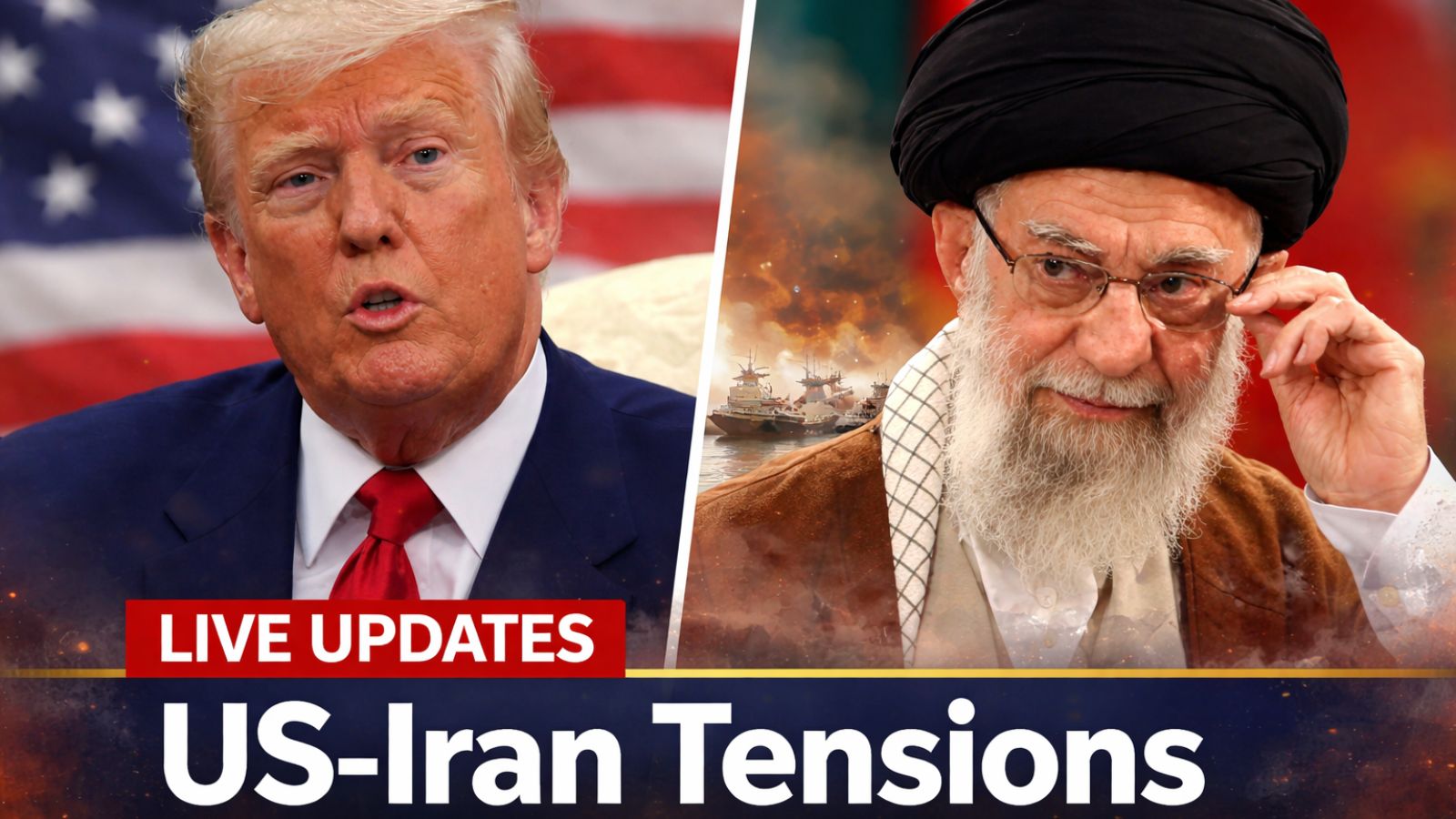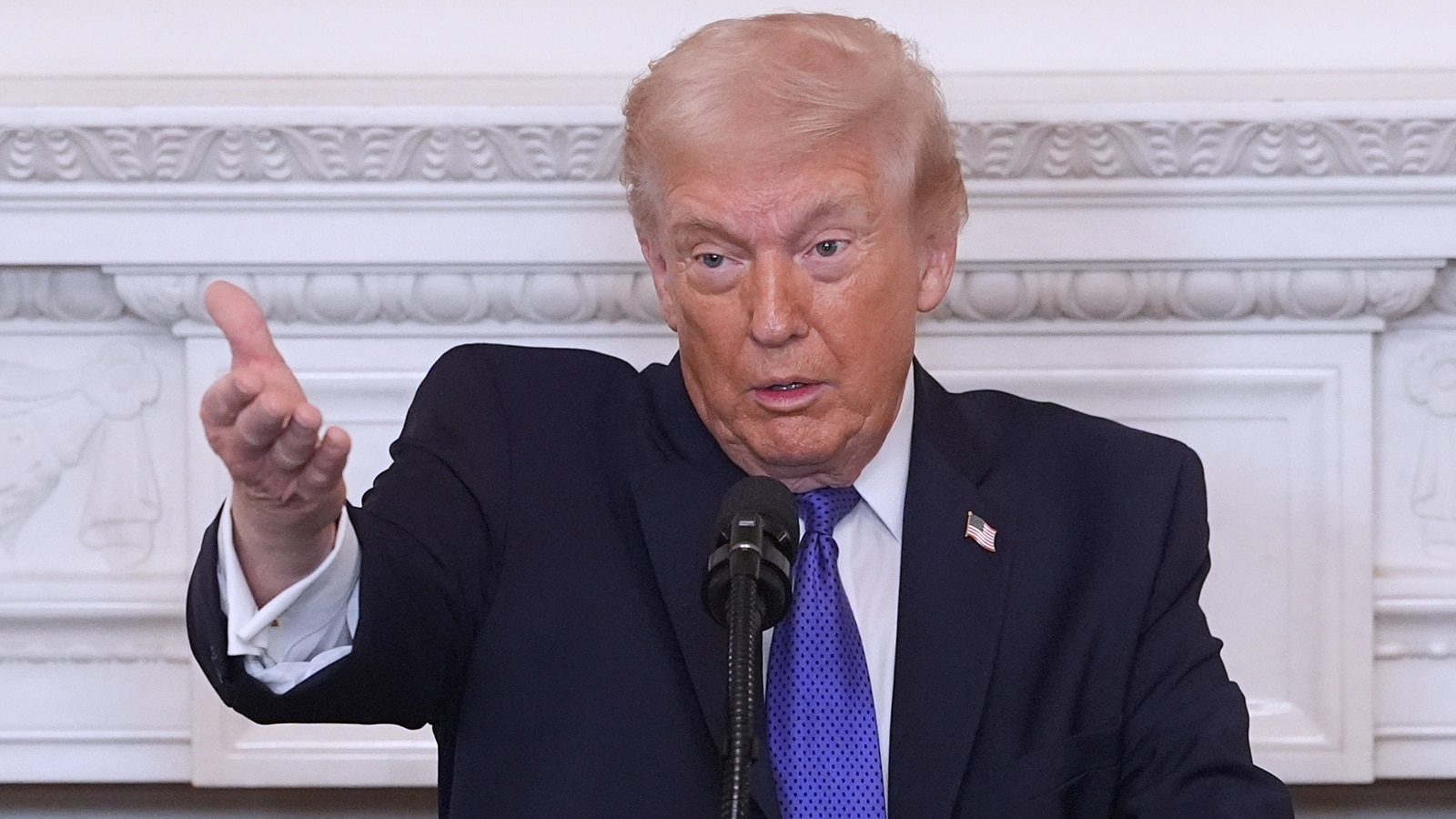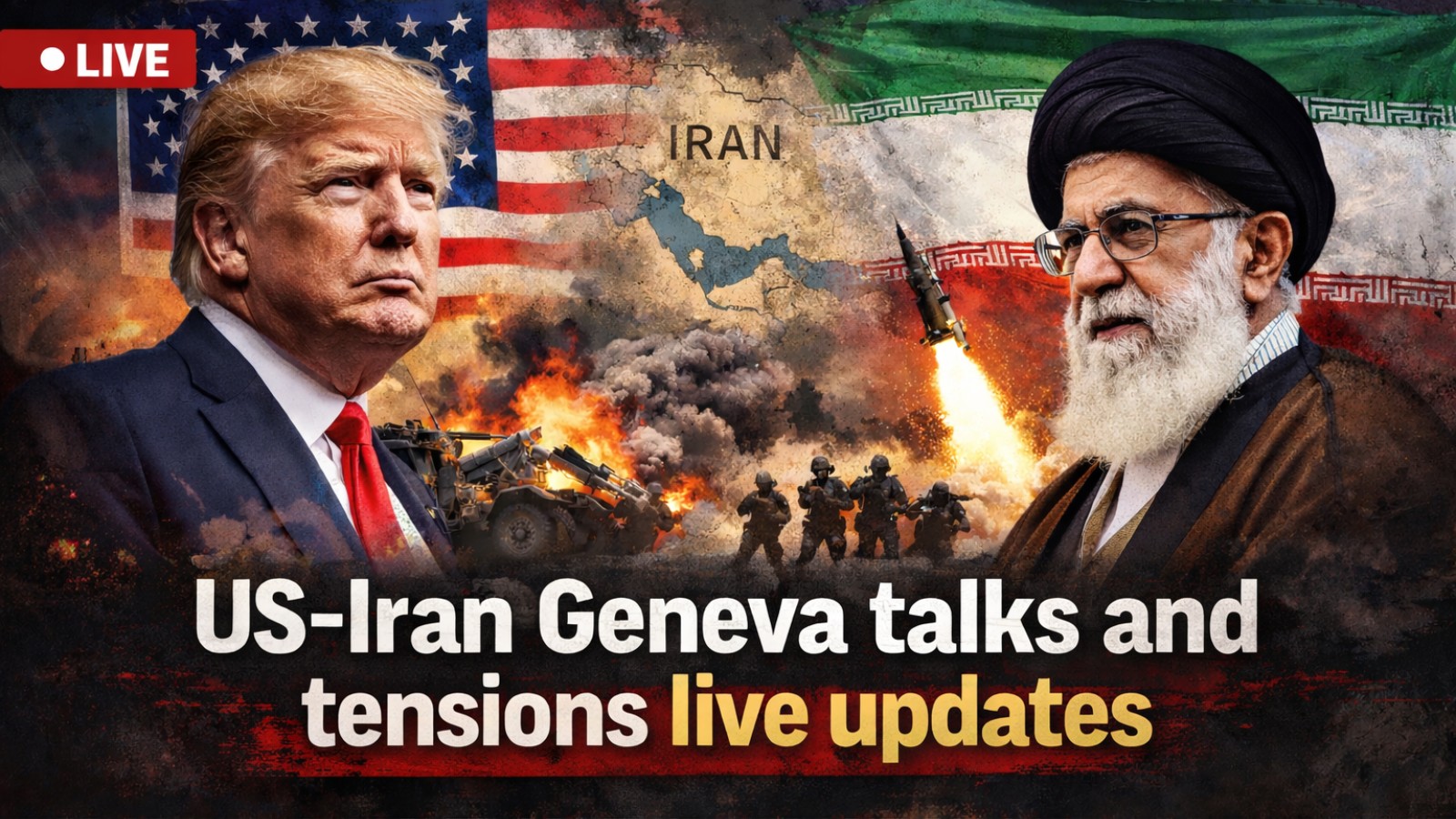
The pretense of a "negotiating window" for Iran’s nuclear program evaporated over the last 48 hours, replaced by the roar of afterburners and the thud of bunker-busters. While President Donald Trump spent Friday telling reporters he was "not happy" with the pace of Geneva talks but willing to give them more time, the reality on the ground in the Middle East was already moving toward a violent, pre-ordained conclusion. The discrepancy between the White House’s public patience and the joint U.S.-Israeli strikes that followed is not a failure of communication. It is the signature of a deliberate strategy intended to catch the Iranian leadership—and the international community—entirely off-balance.
On February 28, 2026, the United States and Israel launched what the administration calls "major combat operations" within the Islamic Republic. The strikes did not merely target the anticipated enrichment sites at Natanz and Fordow; they extended to senior leadership hubs and command-and-control infrastructure. By March 1, the landscape of the Middle East shifted fundamentally with the confirmed death of Supreme Leader Ayatollah Ali Khamenei.
The Illusion of the Geneva Deadline
For weeks, the narrative pushed by the State Department was one of "cautious diplomacy." Secretary of State Marco Rubio and Omani mediators had signaled that while the third round of talks in Geneva on February 26 was difficult, there was "significant progress." Behind the scenes, however, the demands being leveled at Tehran were designed to be rejected.
U.S. negotiators reportedly demanded the total dismantlement of the Fordow, Natanz, and Esfahan facilities, the transfer of all enriched uranium to U.S. custody, and a permanent end to all enrichment activities. To any veteran of Persian diplomacy, these were not opening bids; they were an ultimatum. Iran’s counter-offer—mining rights and critical mineral access for U.S. firms in exchange for sanctions relief—was dismissed almost before the ink was dry.
The "more time" the President spoke of on Friday was not time for Iran to reconsider. It was time for the U.S. Navy and the Israeli Air Force to finalize the positioning of assets in the region.
Why the June 2025 Strikes Failed to Finish the Job
To understand why we are here, one must look back to the limited air campaign of June 2025. At that time, the administration claimed to have "obliterated" the Iranian nuclear program. This was a classic case of political overreach. While the strikes damaged surface infrastructure, the core of the enrichment program remained tucked safely in deep-underground complexes like Fordow.
The IAEA later confirmed what intelligence analysts feared: Iran had not only maintained its 60% enriched uranium stockpile—roughly 400 kilograms—but had accelerated its efforts to move vital components to "black sites" unreachable by standard munitions. The current offensive is an admission that limited surgical strikes are a fantasy when dealing with a regime that has spent three decades hardening its heart and its hillsides.
The Economic Gamble of Maximum Pressure 2.0
The administration’s "Maximum Pressure" campaign has been more than just a diplomatic slogan. It has been a systematic attempt to bankrupt the Iranian state until its only remaining export was desperation. By 2026, the Iranian rial had reached record lows, and internal protests over the January crackdown on dissent had left the regime looking more fragile than at any point since 1979.
However, a cornered regime is often the most dangerous. Tehran’s response to the economic strangulation was not to surrender, but to expand its "Ring of Fire" strategy, using proxies in Yemen, Iraq, and Lebanon to target international shipping and U.S. assets. The administration’s gamble is that by decapitating the leadership and destroying the nuclear infrastructure simultaneously, they can force a collapse before a regional conflagration begins.
The Congressional Vacuum and the War Powers Crisis
The constitutional implications of these strikes are staggering. President Trump moved forward without seeking a new Authorization for Use of Military Force (AUMF), relying instead on executive authority and the claim of an "imminent threat" that many in the Senate Intelligence Committee find dubious.
Senator Mark Warner and other senior lawmakers have pointed out that the strikes were "expansive" and "not limited to nuclear infrastructure." This is a key distinction. When a strike transitions from "non-proliferation enforcement" to "regime change," the legal justification shifts. The administration is essentially betting that the speed of the military success will outpace the speed of the legislative backlash.
The Ground Truth in Tehran and Beyond
As of this morning, the humanitarian and geopolitical fallout is only beginning to be tallied.
- Internal Chaos: Reports from Tehran indicate a total internet blackout and a scramble for succession within the interim council formed after Khamenei’s death.
- Global Protests: From Karachi to Manhattan, the reaction has been swift. At least nine people died today near the U.S. consulate in Karachi during clashes with security forces.
- Energy Markets: Oil prices spiked 12% in pre-market trading, reflecting the fear of a closed Strait of Hormuz.
The administration’s call for the Islamic Revolutionary Guard to "lay down your weapons" and receive "total immunity" is an attempt to spark a military coup from within. It is a high-stakes play. If the IRGC fractures, the war could be short. If they solidify around a new hardline figure, the United States may find itself in the very "drawn-out conflict" the President claimed he wanted to avoid.
The brutal truth is that the "time" for talks never really existed in the way it was presented to the public. Diplomacy was the camouflage for a kinetic solution that had been in development since the day the administration returned to office. The question is no longer whether Iran will have a bomb, but whether the region can survive the vacuum left by its destruction.
Would you like me to analyze the specific impact of these strikes on global oil supply chains or the current succession battle within the Iranian Assembly of Experts?