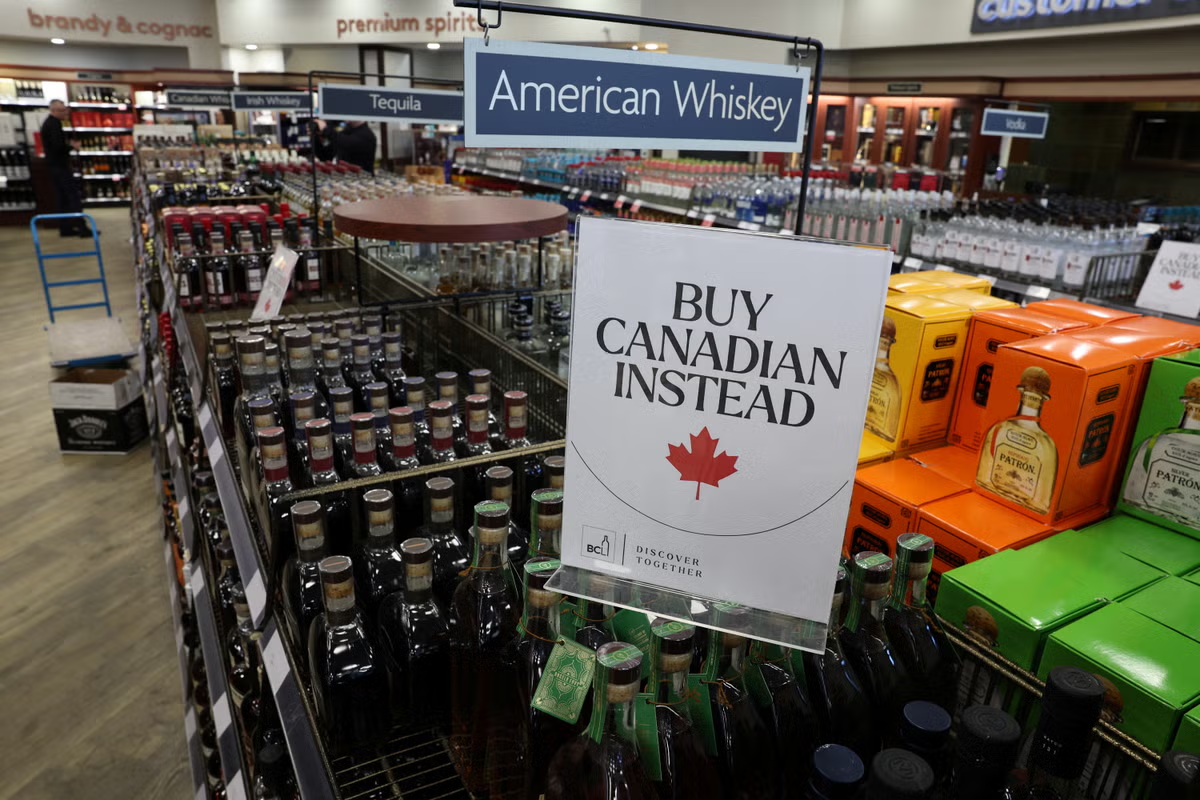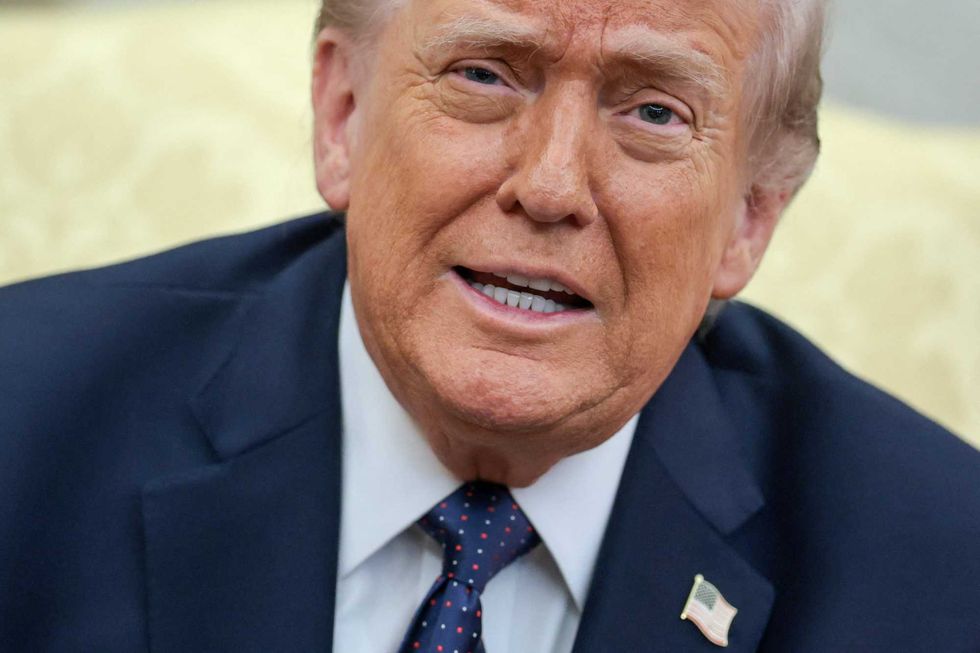
Joseph Stiglitz is not a man who deals in whispers. When he speaks, he uses the kind of clarity that only comes from decades of watching global economies breathe, stumble, and occasionally collapse. But as the Nobel laureate looks at the current collision between populist rhetoric and the cold, unyielding mechanics of international trade, he isn't just looking at spreadsheets. He is looking at the high-stakes friction of a reality check that has been decades in the making.
Money is a story we all agree to believe in until the math stops working. Learn more on a connected issue: this related article.
Think about a small-scale manufacturer in the Midwest. Let’s call him Elias. Elias runs a shop that produces specialized valves. For years, he has been told that the "engine of the world" is being throttled by foreign interests. He has been promised a shield—a high, thick wall of tariffs that will magically turn back the clock to 1955. It’s a seductive narrative. It’s a story of protection, of a return to a golden age where the smoke from the local factory meant a middle-class life was guaranteed.
But the reality check Stiglitz describes is the moment Elias tries to actually build those valves under a new regime of aggressive trade barriers. Additional reporting by Reuters Business explores similar perspectives on this issue.
Elias discovers that the high-grade steel he needs isn't just sitting in a warehouse down the street. It’s part of a global circulatory system. When a 20% or 60% tariff hits that steel at the border, Elias doesn't feel "protected." He feels a tightening around his throat. His costs skyrocket. To keep his lights on, he has to raise his prices. Suddenly, the "America First" valve is twice as expensive as the one made in Germany or South Korea. His customers, who are also struggling with rising costs, look elsewhere.
The shield has become a weight.
The Arithmetic of Pain
Stiglitz’s core argument isn't about political ideology; it’s about the stubbornness of arithmetic. You cannot simultaneously lower the cost of living for the working class while placing a massive tax on everything they buy. Because that is what a tariff is. It isn't a fee paid by a foreign government. It is a sales tax paid by the person at the cash register.
Consider the simple act of buying a pair of sneakers or a new dishwasher. Under the proposed economic shifts, these aren't just transactions; they are casualties. When economists talk about "inflationary pressure," they are using a sterile term for a very human experience: the moment a father realizes he has to choose between a full tank of gas and the high-quality shoes his son needs for school.
The "reality check" is the gap between the campaign stage and the grocery aisle. Stiglitz points out that the global economy is not a series of isolated islands. It is a web. You cannot pull one thread—like imports from a specific country—without the entire structure vibrating. If you tax the thread, the whole sweater gets more expensive to wear.
The Ghost of the 1930s
We have been here before. History is a patient teacher, but we are often terrible students. In the late 1920s and early 30s, the world tried to retreat behind walls. The Smoot-Hawley Tariff Act was born of the same impulse: protect the home front. The result was a frozen sea of global commerce. Every nation retaliated. Trade didn't just slow down; it evaporated.
Stiglitz sees the shadows of this isolationism returning. The danger isn't just that prices go up; it’s that the very infrastructure of global cooperation begins to rust. When trade stops, communication often follows. When communication fails, the risk of conflict—not just economic, but physical—rises.
The invisible stakes are the quiet things we take for granted. We take for granted that our currency will hold its value. We take for granted that the components of our smartphones and our medical devices will arrive on time. We take for granted a world where cooperation is more profitable than confrontation.
The Mirror of the Market
The stock market is often viewed as a barometer of health, but Stiglitz suggests it’s more of a mirror of our anxieties. When the rhetoric of trade wars heats up, the market doesn't react to the "strength" of the nation. It reacts to uncertainty.
Investors, much like Elias in his valve shop, hate a fog. They need to see the horizon to build for the future. When a leader treats the global economy like a zero-sum game—where one person must lose for another to win—the horizon disappears. Capital, which is notoriously cowardly, hides. Expansion plans are shelved. Hiring freezes. The "reality check" isn't a single event; it’s a slow, grinding deceleration of the American dream.
What happens when the promises hit the wall of the Federal Reserve?
Imagine the Fed as the grim janitor of the economy. If aggressive tariffs send inflation spiking to 5% or 6%, the Fed has only one tool to stop the bleeding: interest rates. They will crank them up. This means the mortgage on your house gets more expensive. The loan for your small business becomes a burden. The credit card debt you’re carrying starts to feel like a mountain.
This is the pincer move Stiglitz is warning us about. On one side, the cost of goods rises because of trade barriers. On the other side, the cost of borrowing rises because the government has to fight the very inflation those barriers created.
The middle class is caught in the center.
The Human Core of the Data
It is easy to get lost in the jargon of "comparative advantage" or "multilateralism." But if you strip away the Nobel-winning terminology, Stiglitz is talking about the fragility of trust.
Economies run on trust. I trust that the dollar in my pocket will buy the same loaf of bread tomorrow. I trust that if I invest in a factory today, the rules of the game won't change by the time I open the doors. Trade wars are, at their heart, a destruction of that trust. They are a declaration that the rules are whatever the loudest person in the room says they are on any given Tuesday.
The reality check is coming for the voters who were told that complexity is a lie. They were told that the world is simple, that problems can be solved with a pen stroke and a tough-guy stance.
But the world is a clock.
If you don't like how the hands are moving, you can't just smash the glass and move them yourself. You have to understand the gears. You have to respect the tension of the springs. If you force the mechanism, it breaks. And once the clock is broken, everyone—regardless of who they voted for—is left standing in the dark, wondering where the time went.
Stiglitz isn't just criticizing a person or a party. He is defending the logic of the universe. He is reminding us that while you can ignore the laws of economics for a while, they never ignore you. They are patient. They are relentless. And they always, eventually, send the bill.
The bill is arriving now. It is written in the language of higher prices, stalled growth, and a world that feels smaller and more dangerous than it did yesterday. We can choose to read it, or we can keep pretending the math doesn't apply to us.
The numbers are already on the table. They don't care about the applause at a rally. They don't care about the boldness of a tweet. They only care about the balance.
If we continue to tilt the scales with the weight of isolationism, we shouldn't be surprised when the whole system tips over, spilling the life savings and the hard-won stability of millions of people like Elias into the dirt.
The most expensive thing in the world is a promise that ignores the truth.