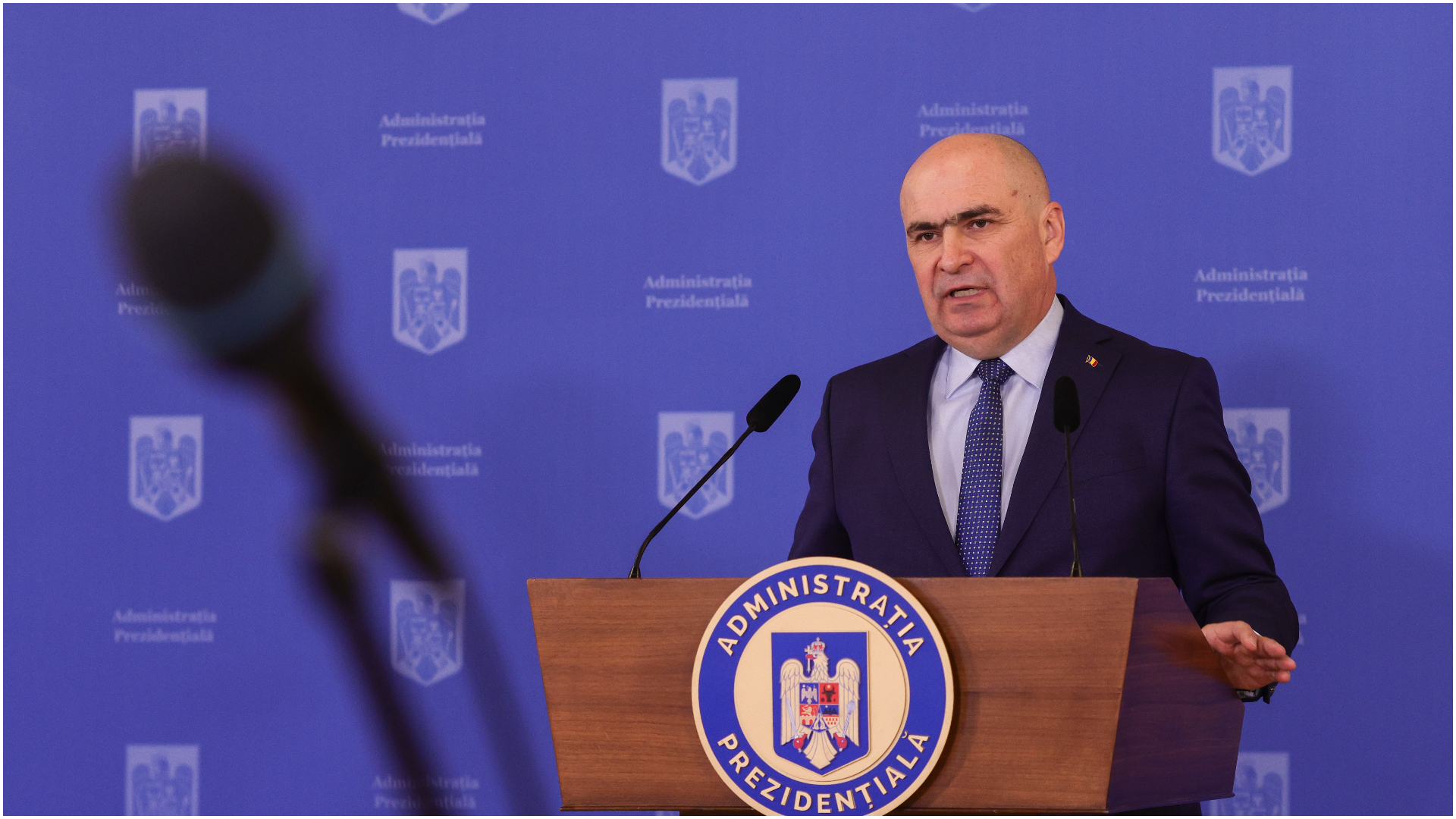
Romania’s political carousel just hit a violent snag. On May 5, 2026, Prime Minister Ilie Bolojan’s government was toppled in a no-confidence vote that wasn't just a routine cabinet shuffle—it was a brutal reckoning for a leader who tried to fix a broken economy with blunt force. The motion passed with 281 votes, sailing comfortably past the 233-vote threshold needed to end his ten-month tenure.
If you’re wondering how we got here, look at the numbers. Bolojan didn't lose because he was incompetent. He lost because he was too efficient for his own good. Facing a massive 7.65% budget deficit, he pushed for austerity measures that made him the most unpopular man in the room. Now, Romania enters a period of deep uncertainty, with an interim government holding the reins while the big players fight for the scraps.
The Unlikely Alliance That Killed the Cabinet
Politics makes for strange bedfellows, but this was a stretch even for Bucharest. The Social Democrats (PSD) and the far-right Alliance for the Union of Romanians (AUR) teamed up to pull the plug. These two groups usually treat each other like radioactive waste, yet they found common ground in their hatred of Bolojan’s belt-tightening.
The PSD, which walked out of the coalition only weeks ago, claimed they had to act to "save" the country from poverty. George Simion, the head of AUR, was even more blunt, tweeting that the vote ended months of "taxes, war, and poverty." It’s a classic populist play: blame the guy holding the checkbook for the fact that the bank account is empty.
Why Bolojan’s Austerity Failed the Political Test
Bolojan came into office with a reputation as a "fixer" from his days as the mayor of Oradea. He’s the kind of guy who looks at a balance sheet and starts cutting. But national politics isn't a city budget. His attempts to rein in the EU's highest public deficit involved spending cuts and tax hikes that hit every corner of the electorate.
- Tax increases: Small businesses felt the squeeze immediately.
- Public sector cuts: Thousands of jobs were on the line as he tried to slim down the state.
- The deficit trap: He was fighting a 7.65% deficit in 2025, while the EU was screaming for a 3% limit.
Bolojan called the motion "false, cynical and artificial" during the debate. He’s not entirely wrong. The parties that ousted him haven't exactly presented a coherent plan to pay the bills without the measures he proposed. They just knew that being the party of "no" is a lot easier than being the party of "less."
What Happens to Romania Now
Don’t expect a new permanent government by the weekend. Bolojan stays on as a caretaker PM, but his powers are basically clipped. Under the constitution, an interim administration can’t issue emergency ordinances or propose new laws. They're glorified managers until a new coalition is formed.
President Nicușor Dan, who cut a trip to Armenia short to deal with this mess, has a massive headache on his hands. He has to consult with the parties and nominate a new Prime Minister. If they can’t agree on a candidate after two tries, we’re looking at snap elections.
The PSD's High-Stakes Gamble
The Social Democrats are playing a dangerous game. They’ve suggested they want to return to a pro-EU coalition but under a different leader—someone more "flexible" than Bolojan. By partnering with the far-right AUR to win this vote, they’ve blurred the lines of the cordon sanitaire meant to keep extremists away from power.
If the PSD can’t stitch together a new majority with Bolojan’s Liberal Party (PNL), they might find themselves trapped. The PNL is already signaling they aren't in a hurry to forgive the betrayal. Cătălin Predoiu, a PNL heavyweight, has made it clear that while they want to stay in government, they aren't about to hand the keys back to the people who just locked them out.
The European Fallout
Brussels is watching this with growing anxiety. Romania is a frontline state for NATO and a key player in Eastern European stability. A political vacuum in Bucharest is the last thing the EU needs right now. There’s a real fear that this instability will tank the country's credit rating and make that 7.65% deficit even harder to finance.
If you’re an investor or just someone living in Romania, the next 45 days are critical. The interim government's clock is ticking. If a new cabinet isn't sworn in quickly, the market's reaction will be swift and painful.
Your Immediate Takeaways
- Monitor the nominations: Watch who President Nicușor Dan taps next. If it’s another PNL "technocrat," expect more of the same friction.
- Watch the markets: The Romanian Leu is likely to see some volatility as the "fixer" exits the stage.
- Expect a policy freeze: No major reforms or infrastructure projects will move forward until the caretaker status ends.
The fall of Bolojan’s government is a classic example of what happens when a reformist leader hits the wall of political reality. He tried to fix the roof while the house was on fire, and the neighbors decided they’d rather let it burn than pay for the shingles. Keep your eyes on the coalition talks over the next two weeks—that's where the real power is being traded.