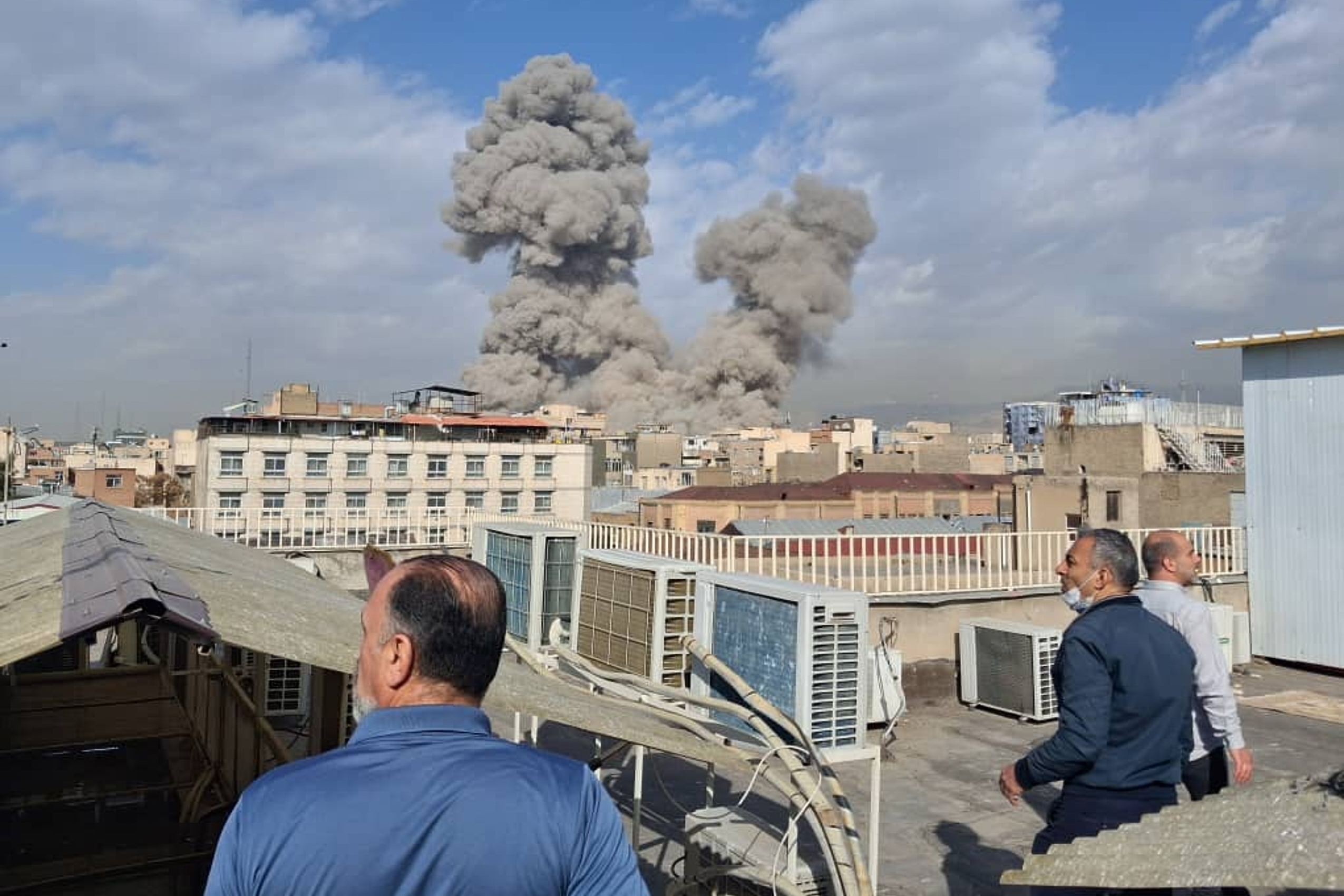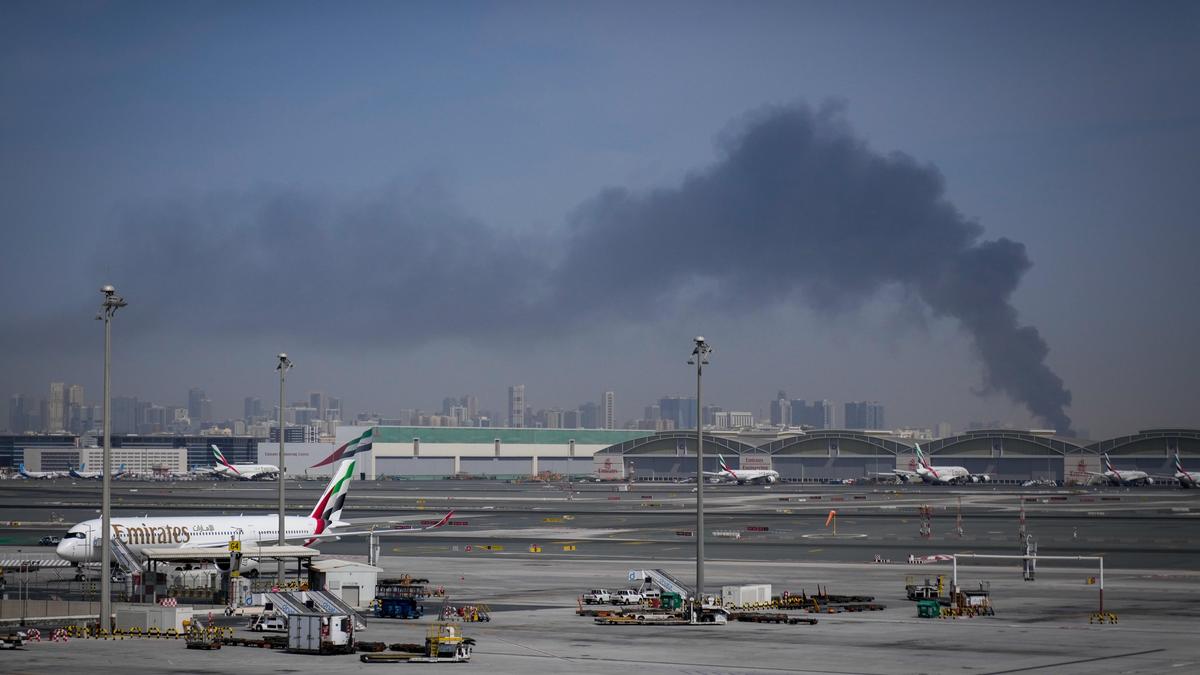
The overnight reports of military strikes involving the United States, Israel, and Iran have sent a predictable but violent shudder through the world’s financial arteries. When the first flashes over Isfahan were confirmed, the immediate reaction was a textbook flight to safety. Crude oil prices jumped 4% in a matter of minutes. Gold climbed toward record territory. U.S. stock futures and Asian indices like the Nikkei 225 plummeted as the reality of a direct, state-on-state conflict replaced the managed "shadow war" that has defined the region for decades.
But the immediate price action is merely a symptom of a much deeper, structural shift in how global trade perceives risk. Investors are no longer just hedging against a temporary supply disruption in the Strait of Hormuz. They are now pricing in the death of the de-escalation era. For years, the working theory on Wall Street was that neither Washington nor Tehran could afford a total breakdown in the status quo. That theory died tonight.
The Crude Reality of Energy Contagion
Oil is the most sensitive barometer of this crisis. While the initial spike moderated as early reports suggested the damage might be localized, the "risk premium" has fundamentally changed. We are moving away from a market driven by supply-and-demand metrics and into a market governed by geopolitical volatility.
If this conflict broadens, the danger is not just a few missed shipments. It is the physical destruction of energy infrastructure. Iran’s capacity to harass shipping in the Persian Gulf remains its most potent economic weapon. Approximately 20% of the world’s daily oil consumption passes through that narrow waterway. Even a partial blockade or a series of insurance-hike-inducing skirmishes would be enough to keep Brent crude pinned above $90 or $100 per barrel for a prolonged period.
This creates a nightmare scenario for the Federal Reserve. Central bankers have spent the last two years fighting a grueling war against inflation. Higher energy costs act as a regressive tax on every level of the economy, from manufacturing logistics to the price of a gallon of milk. If oil stays high, the "higher for longer" interest rate narrative isn't just a possibility—it becomes a mathematical certainty.
Why Asian Markets Are the First to Bleed
While the strikes happened in the Middle East, the first major financial casualties were in Tokyo, Seoul, and Hong Kong. Asia is the world’s largest net importer of energy. The region’s industrial giants—Japan, South Korea, and China—are uniquely vulnerable to the price of a barrel of oil.
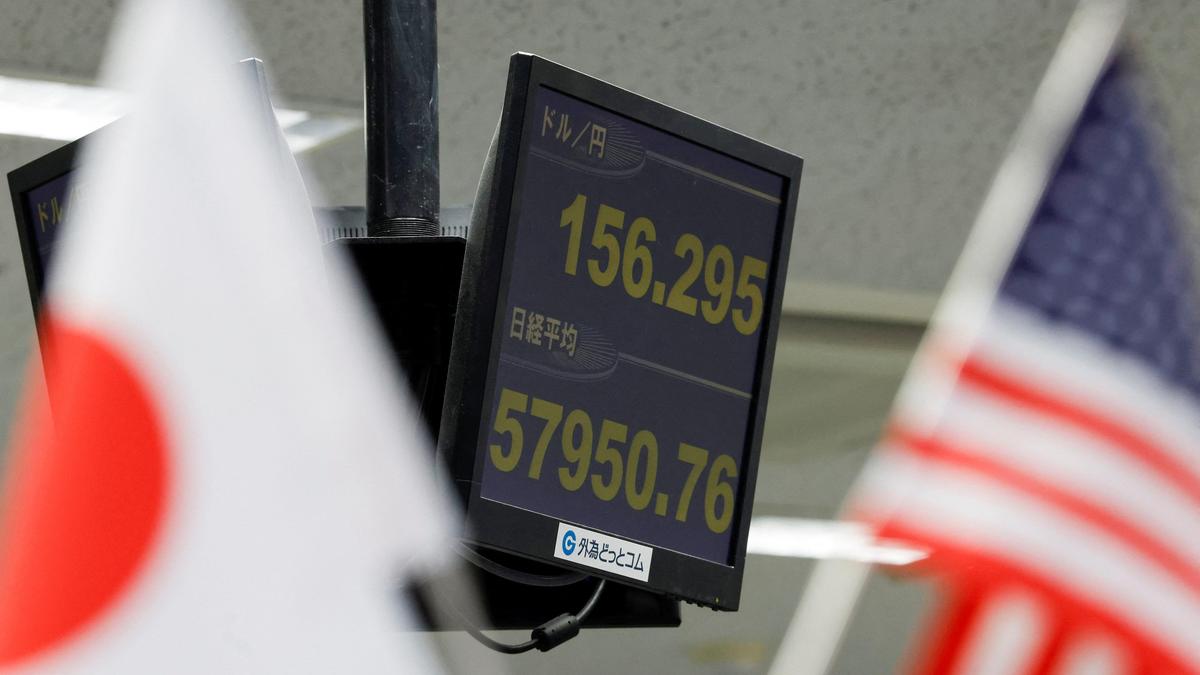
When U.S. futures drop in the middle of the night, Asian traders are the ones who have to catch the falling knife. The Nikkei’s nearly 3% slide reflects more than just fear; it reflects a recalculation of corporate earnings. High energy costs squeeze margins for electronics manufacturers and automakers who are already dealing with a slowing Chinese economy.
Furthermore, the strength of the U.S. Dollar during times of war puts immense pressure on Asian currencies. As investors pour into the greenback as a "safe haven," the Yen and the Won weaken. This makes their energy imports even more expensive, creating a vicious cycle of imported inflation that local central banks are struggling to contain.
The Illusion of Liquid Safety
During these spikes of volatility, the rush into Treasury bonds and gold is often described as a move toward safety. In reality, it is a move toward liquidity. In a world where the rules of engagement are being rewritten, "safety" is an archaic term.
Investors are selling what they can, not necessarily what they want. This explains why even "good" stocks in tech or healthcare get dragged down during the initial panic. The algorithmic trading systems that dominate the New York and Chicago exchanges are programmed to reduce exposure across the board when certain volatility thresholds are hit. This creates a feedback loop where the selling generates more selling, regardless of the underlying fundamentals of the companies being traded.
The Geopolitical Chessboard and Corporate Strategy
For decades, multinational corporations operated under the assumption of a globalized, relatively stable trade environment. That world is fracturing. We are seeing a "geopolitics-first" approach to investment.
Supply chain managers are now forced to consider whether their routes through the Suez Canal or the Red Sea are permanently compromised. This isn't a "transitory" issue. It requires a massive, expensive shift toward near-shoring or friend-shoring. Moving production closer to home or into "safer" jurisdictions adds layers of cost that will eventually be passed on to the consumer.
The Defense Sector Divergence
While the broader S&P 500 futures looked grim, the defense sector stood as a glaring exception. Companies involved in missile defense, surveillance, and aerospace often see their valuations decoupled from the general market during these periods. This creates a cynical but necessary hedge for institutional portfolios. If the world is becoming more dangerous, the providers of the tools of war become the only reliable growth story in a stagnant environment.
The Hidden Danger of Sovereign Debt
Perhaps the most overlooked factor in this escalation is the state of national balance sheets. Unlike previous conflicts in the early 2000s, the major powers involved are currently drowning in debt. The U.S. is running massive deficits, and any significant military involvement or even a sustained period of high interest rates to combat war-driven inflation puts incredible pressure on the Treasury’s ability to service that debt.
This limits the options available to policymakers. In the past, the government could spend its way out of a crisis. Today, that spending further fuels the inflationary fire. We are approaching a point where the fiscal tools used to stabilize the economy are the very things making the economy more fragile.
Breaking the Cycle of Panic
The tendency for retail investors is to watch the headlines and react in real-time. This is almost always a mistake. Professional desks are already looking three steps ahead—past the initial strikes and toward the diplomatic fallout. The key question is not "Will there be another strike?" but "Will the retaliatory cycle reach a point of no return?"
The global economy can handle a spike in oil. It can handle a bad week for the Nikkei. What it cannot handle is a sustained, multi-front conflict that involves the world’s primary energy producers and its primary superpower. The "hard landing" for the economy that many feared in 2023 was avoided, but the events of the last 24 hours have put that possibility firmly back on the table.
The Bottom Line for Portfolios
In this environment, diversification is no longer just a buzzword; it is a survival tactic. Relying on the traditional 60/40 stock-bond split is insufficient when both asset classes are being hammered by the same geopolitical pressures. Real assets, commodities, and even cash have regained their status as vital components of a resilient strategy.
The markets will eventually find a new equilibrium, but it will be at a higher cost of living and a lower expectation of growth. The era of cheap energy and easy peace is over. Companies that can adapt to a high-friction, high-cost world will be the only ones left standing when the smoke eventually clears.
Watch the credit markets. While the headlines focus on the Dow and the price of crude, the real story is in the high-yield bond market. If the cost of corporate borrowing starts to spike alongside oil, it indicates that the "stress" is moving from the headlines into the actual foundation of the business world. That is when the real crisis begins.