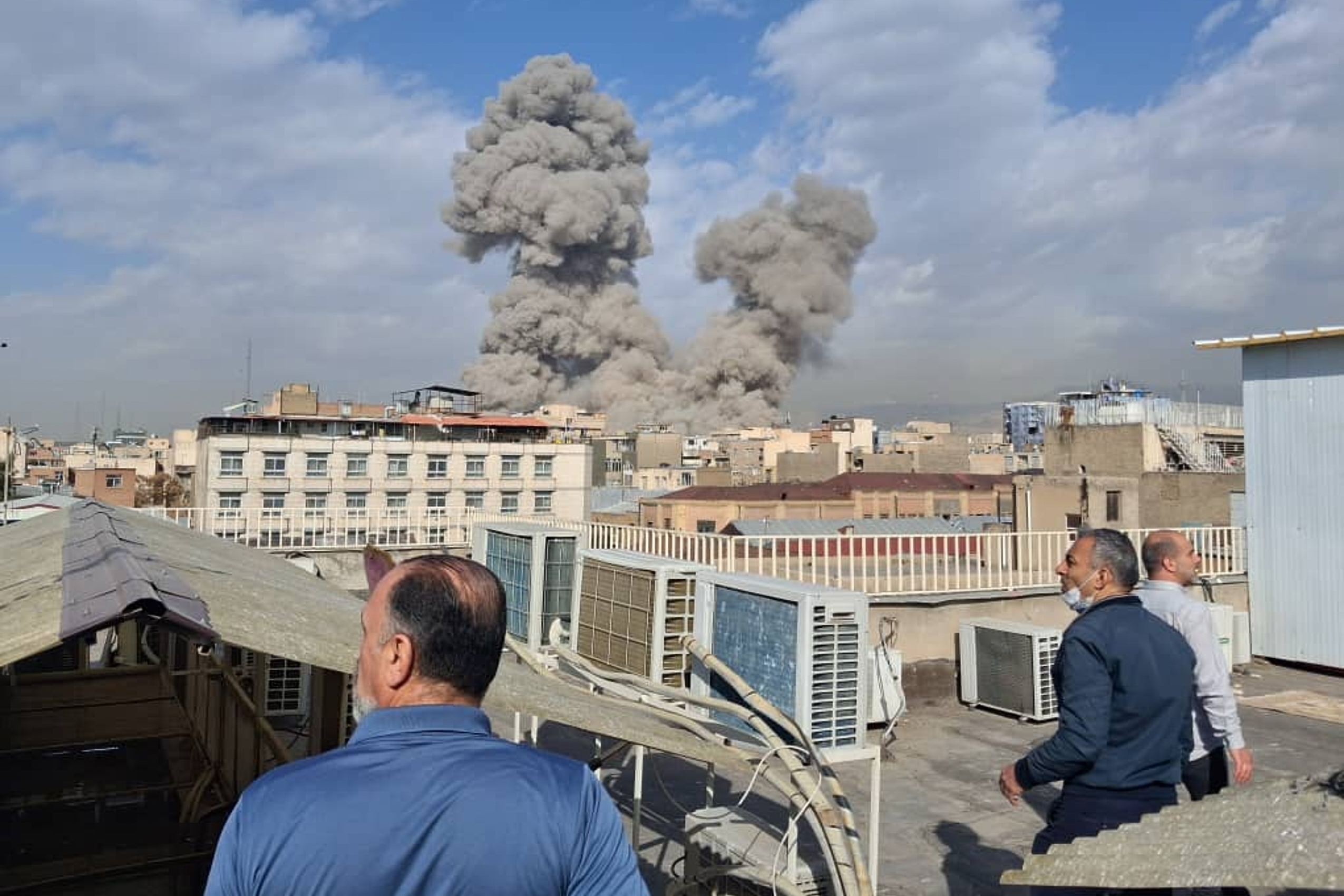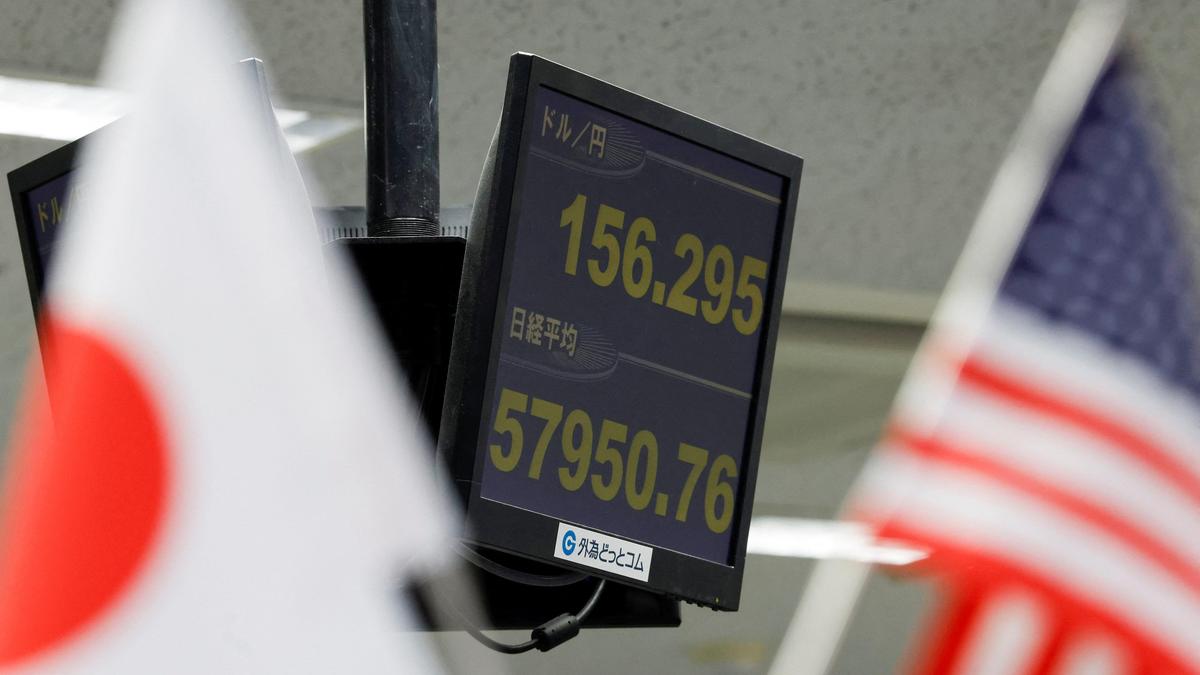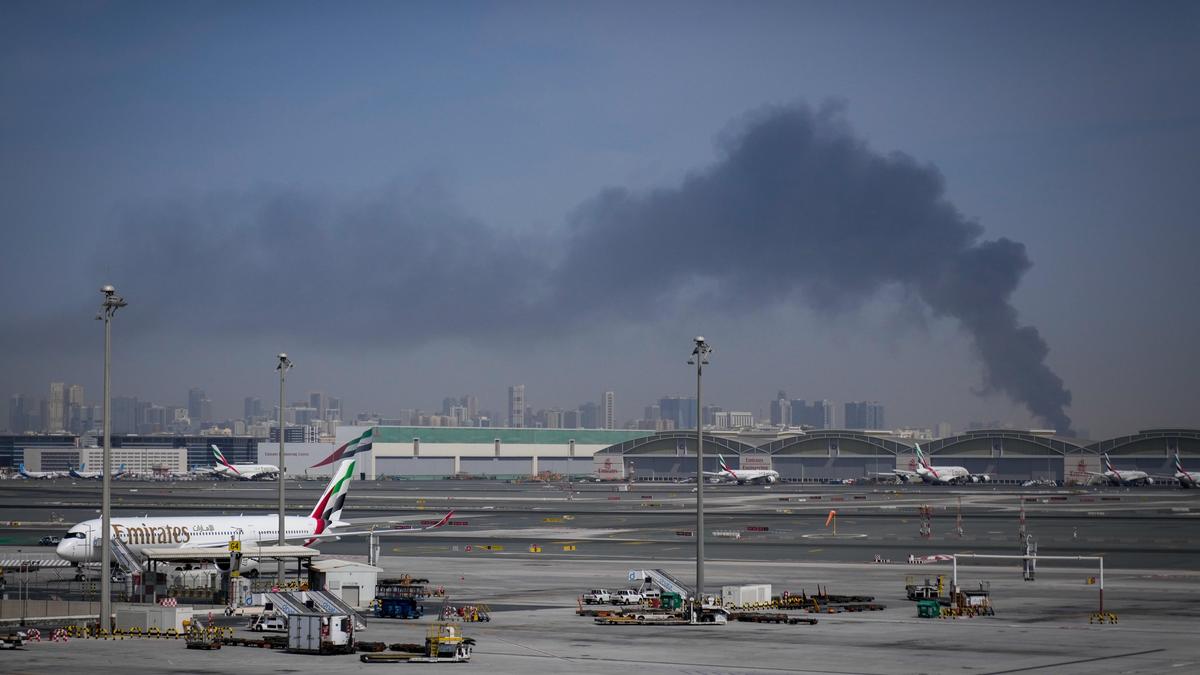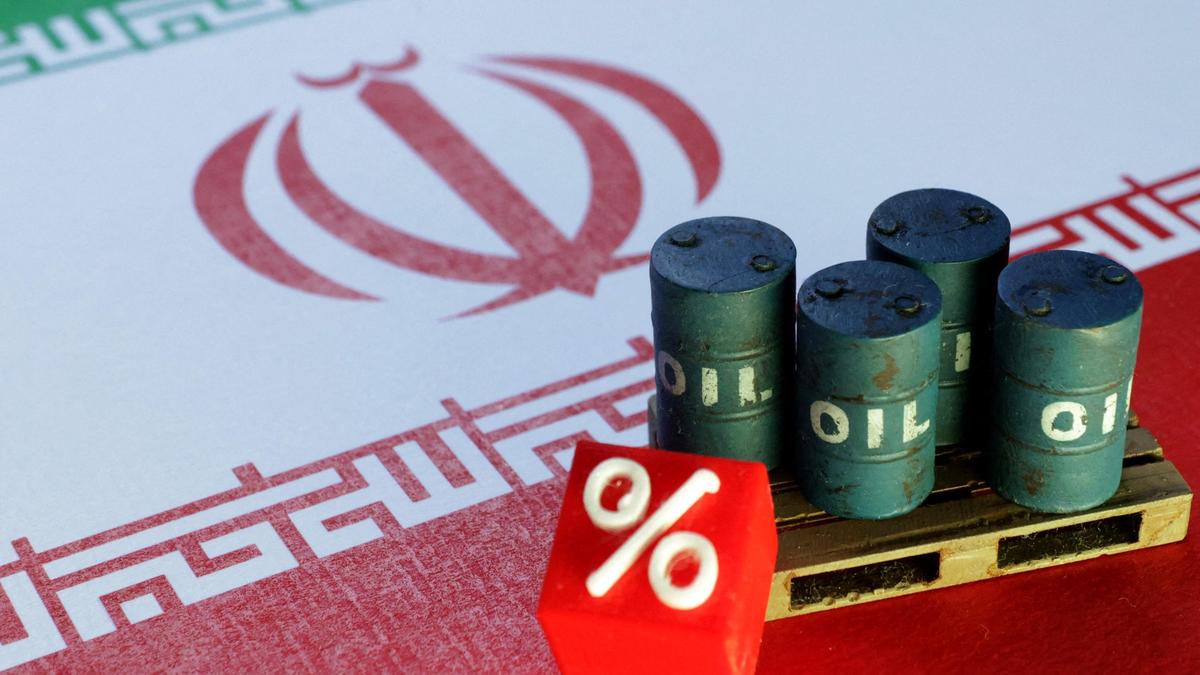
The global energy market is currently reeling from a series of targeted strikes on critical infrastructure in West Asia, sending crude prices into a vertical climb. While mainstream outlets focus on the immediate ticker price, the reality is far more dangerous than a temporary supply "disruption." We are witnessing the breakdown of the physical and psychological safety net that has kept oil under $100 for the last year. These attacks did not just hit pipes and tankers; they exposed the terrifying fragility of the world’s most vital transit points.
The immediate spike in Brent and WTI reflects a panicked recalculation of risk. For decades, the industry operated on the assumption that certain corridors were untouchable. That assumption died this week.
The Illusion of Spare Capacity
Traders often point to Saudi Arabia or the UAE’s "spare capacity" as a shield against chaos. This is a comforting myth. Spare capacity only matters if you can actually move the product. When strikes target the narrow bottlenecks of the Persian Gulf or the Red Sea, it doesn't matter if there are five million barrels of oil sitting in a tank in the desert. If the gate is locked, the oil is useless.
The current price action is a delayed reaction to years of underinvestment in alternative routes. We have spent a decade pretending that the global economy could transition to green energy overnight, and in doing so, we starved the traditional oil infrastructure of the maintenance and security it required. Now, a few well-placed drones have reminded the world that we are still entirely beholden to a few hundred miles of volatile coastline.
Why the SPR Cannot Save Us
In Washington, the immediate instinct is to look toward the Strategic Petroleum Reserve (SPR). This is a political band-aid for a systemic hemorrhage. The SPR was designed for total supply cutoffs, not for managing the "fear premium" created by persistent regional instability.
Drawing down the SPR now is a tactical error. It leaves the world’s largest economy with empty pockets at a time when the geopolitical climate is only getting colder. Market participants see through this. They know that an SPR release is a finite solution to an infinite problem. When the barrels are gone, the underlying threat to the Strait of Hormuz remains.
The Insurance Trap
There is a hidden mechanism driving your gas prices higher that has nothing to do with the cost of extraction. It is the cost of maritime insurance. As soon as a region is designated a "war risk" zone, the premiums for tankers skyrocket. These costs are passed directly to the consumer.
- War Risk Surcharges: These can increase the cost of a single voyage by hundreds of thousands of dollars.
- Re-routing: Avoiding dangerous waters adds thousands of miles and weeks of travel time, burning more fuel and tying up global shipping capacity.
- Scarcity of Bottoms: Owners of high-quality tankers often refuse to send their vessels into high-risk areas, leaving only the "dark fleet" to operate.
This "dark fleet"—older, poorly maintained, and under-insured ships—now carries a significant portion of the world's oil. A kinetic attack on these vessels doesn't just stop the oil; it creates an environmental catastrophe that could shut down shipping lanes for months. We are one sunken tanker away from a total maritime standstill.
The Failure of Energy Diplomacy
For years, the West has relied on a policy of "managed tension." The idea was to keep the region just stable enough to ensure flow, without ever solving the core grievances. That policy has failed. The actors currently targeting energy infrastructure are no longer deterred by traditional economic sanctions. They have realized that the oil market is the West’s Achilles' heel, and they are pressing hard.
The current escalation proves that military presence alone is not a deterrent against asymmetric warfare. You cannot stop a $2,000 drone with a billion-dollar destroyer indefinitely. The cost-to-kill ratio is skewed entirely in favor of the insurgents. This is the new reality of energy security. It is cheap to disrupt and expensive to protect.
The Refined Product Crunch
While everyone watches "crude," the real pain is felt in "products." Diesel and jet fuel inventories were already thin before these attacks. Refineries in Europe and Asia are tuned to specific grades of crude coming out of West Asia. You cannot simply swap one for another without a loss in efficiency.
If the attacks continue to target processing plants rather than just extraction wells, we will see a decoupling of crude and gasoline prices. Crude might stabilize, but the price at the pump will continue to rise because the capacity to turn that crude into fuel has been physically destroyed.
A Reality Check for the Energy Transition
This crisis highlights the dangerous gap in the current "green" narrative. We are in a purgatory where we haven't built enough renewable infrastructure to be independent, but we have demonized the fossil fuel industry enough to discourage the security investments needed to keep it stable.
Energy security is national security. Any nation that cannot protect its energy supply or does not have a diversified route for its imports is at the mercy of any minor regional power with a stockpile of explosives. The current price spike is a warning shot. It is a signal that the era of cheap, safe, and reliable energy is over until the world gets serious about protecting the physical reality of the grid.
The Geopolitical Winners and Losers
In this chaos, some players are quietly profiting.
- Non-OPEC Producers: High prices provide a windfall for producers in the Americas who are shielded from the physical geography of the conflict.
- The Dark Fleet: Shadowy intermediaries who move sanctioned oil are seeing their margins explode as legitimate shipping flees.
- Alternative Superpowers: Nations that can negotiate direct, land-based pipeline deals are insulating themselves while the rest of the world fights over tanker routes.
The losers are the developing nations. For a country in the West, $5.00 gasoline is a political headache. For a developing nation in Africa or SE Asia, it is a death sentence for their industrial base and a trigger for civil unrest. The "oil shock" is a poverty multiplier.
The Mechanics of the Next Move
Keep your eyes on the "long end of the curve." If the price for delivery two years from now starts to rise as fast as the current price, it means the market has lost faith in a diplomatic solution. It means the "war premium" is being baked into the long-term global economy.
There is no easy exit from this. We have entered a period where the physical flow of energy is a primary weapon of war. The rise in oil prices is not a fluke or a temporary blip; it is the first symptom of a world that has forgotten how to secure its own foundation.
Buy a bicycle, or better yet, pressure your representatives to stop treating energy policy like a PR campaign and start treating it like the survival issue it is.