The diplomatic engagement between Pakistani Prime Minister Shehbaz Sharif and Iranian President Masoud Pezeshkian represents more than a routine bilateral exchange; it is a calculated exercise in geopolitical arbitrage. Both nations are currently operating under severe external constraints—Pakistan via its structural debt obligations to the IMF and Iran through the long-term attrition of Western sanctions. The meeting serves as a mechanism to hedge against regional instability while attempting to salvage economic connectivity projects that have remained in stasis for over a decade.
The Triangulation of Security and Economic Constraints
The interaction operates within a three-variable framework: the Internal Security Mandate, the Energy Deficit Calculus, and the Extraterritorial Sanctions Risk.
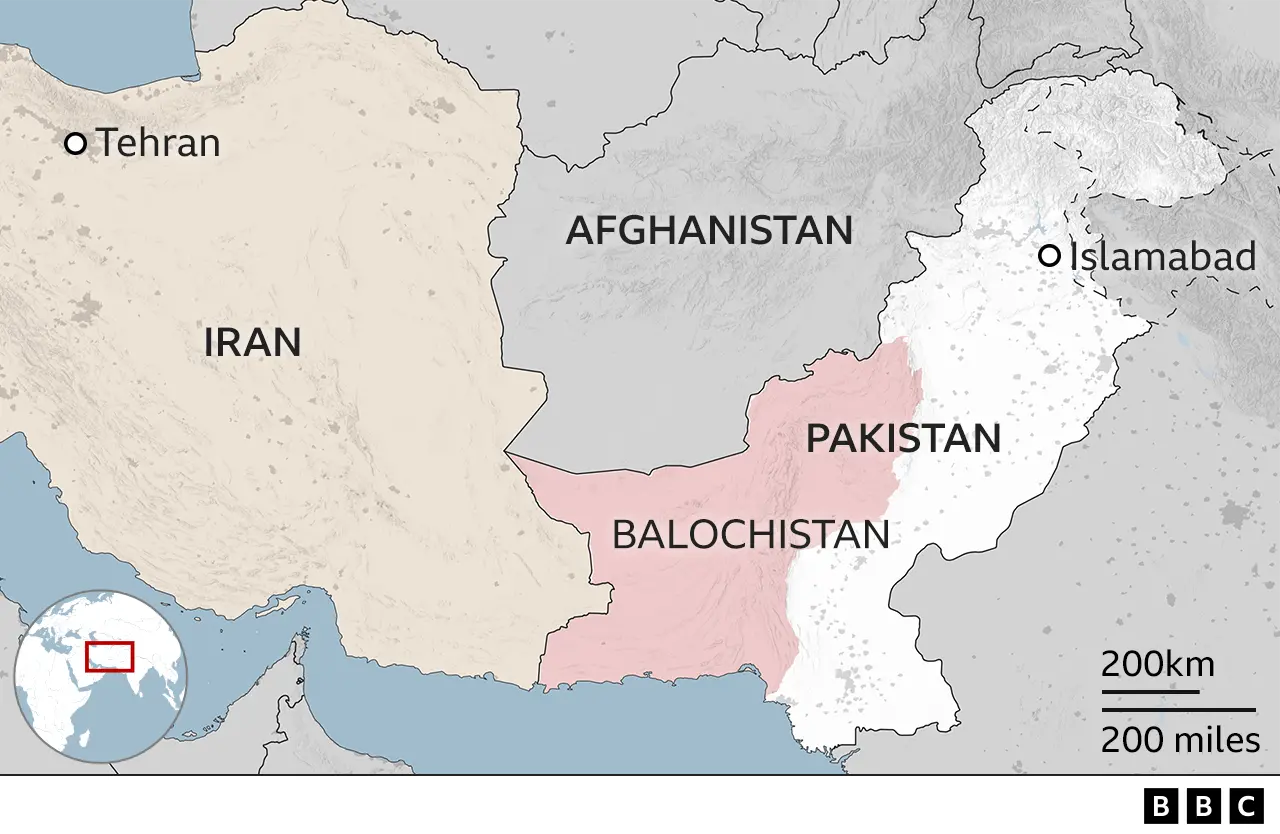
Pakistan’s primary objective is the stabilization of its western border, specifically the Balochistan region. The security architecture here is failing due to the "porous border" effect, where non-state actors exploit the lack of coordinated surveillance and intelligence sharing between Islamabad and Tehran. From a strategic consulting perspective, the border is not merely a line but a cost-sink. For Pakistan, the cost of militarizing the border to prevent insurgent movement outweighs the potential gains of trade unless a joint security protocol is formalized.
Iran, conversely, views Pakistan as a critical "vent" for its sanctioned economy. The Pezeshkian administration is pivoting toward a "neighborhood-first" policy, a pragmatic recognition that high-level engagement with the West is unlikely to yield immediate relief. By strengthening ties with Pakistan, Iran seeks to formalize the informal trade—currently estimated in the billions of dollars via illicit fuel and commodity smuggling—into taxable, sovereign revenue streams.
The Pipeline Bottleneck and the $18 Billion Contingency
The most significant friction point in the bilateral relationship is the Iran-Pakistan (IP) gas pipeline. To understand the gravity of this project, one must analyze the Opportunity Cost of Non-Compliance.
- The Legal Liability: Iran has issued multiple notices regarding Pakistan's failure to complete its side of the pipeline. Under the original Sales and Purchase Agreement (GSPA), Pakistan faces a potential penalty of up to $18 billion.
- The Infrastructure Gap: Pakistan lacks the liquidity to fund the construction of its 800km segment while under IMF scrutiny.
- The Sanctions Trap: Any state-level investment in Iranian energy infrastructure triggers U.S. secondary sanctions under the Countering America's Adversaries Through Sanctions Act (CAATSA).
Pakistan’s current strategy is one of calculated delay. By engaging Pezeshkian in high-level talks, Sharif is attempting to buy diplomatic time, hoping for a "force majeure" or "waiver" scenario that satisfies both Tehran and Washington. This is a high-risk gamble. The logic of the IP pipeline is sound—Pakistan’s domestic gas reserves are depleting at a rate of roughly 9% annually—but the execution is paralyzed by the inability to decouple regional energy needs from global financial systems.
Border Markets and the Micro-Economic Stabilization Model
Since the formalization of the Mand-Pishin border market, the two nations have attempted to shift the bilateral narrative from macro-energy (which is stalled) to micro-trade (which is actionable). This shift reflects a bottom-up stabilization theory.
By establishing "Border Sustainment Zones," the two governments aim to reduce the incentive for smuggling. Smuggling acts as a shadow economy that drains state foreign exchange reserves. When Pakistanis buy smuggled Iranian petrol, the demand for PKR drops in favor of informal currency swaps, weakening the formal banking sector. Formalizing this trade via barter or local currency clearing houses—a point discussed by Sharif and Pezeshkian—would theoretically stabilize the local exchange rate and provide the state with a data-driven view of regional consumption.
The Regional Security Multiplier: Afghanistan and Gaza
The Sharif-Pezeshkian dialogue cannot be isolated from the broader Islamic world's flashpoints. Both leaders are navigating the Refugee Burden Variable. Pakistan and Iran host the world's largest populations of Afghan refugees. The instability in Kabul creates a shared negative externality: the spillover of radicalism and the strain on public services.
Furthermore, the mentions of Palestine and regional "unity" are not merely rhetorical. They serve a functional purpose in domestic signaling. For Pezeshkian, alignment with Pakistan on the Gaza conflict builds his credentials as a leader capable of mobilizing the "Ummah" (Islamic community), countering the narrative that Iran is isolated. For Sharif, it provides a populist buffer against domestic criticism regarding his government's closeness to Western powers.
Strategic Friction: The Divergent Interests
Despite the outward appearance of alignment, the relationship faces structural headwinds:
- The Saudi-Iran Balancing Act: Pakistan depends heavily on Saudi Arabian financial deposits and oil credits. While the 2023 China-brokered normalization between Riyadh and Tehran eased the pressure, Pakistan remains wary of over-tilting toward Iran, which could jeopardize its "Special Investment Facilitation Council" (SIFC) initiatives funded by Gulf capital.
- The Intelligence Gap: Repeated skirmishes and "tit-for-tat" missile strikes in early 2024 revealed a profound lack of trust between the IRGC (Islamic Revolutionary Guard Corps) and the Pakistani military establishment. The current diplomatic outreach is an attempt to reconstruct the Communication Protocol to prevent accidental escalation.
Quantifying the Path Forward
The success of the Sharif-Pezeshkian engagement will be measured by three specific KPIs:
- Trade Volume Normalization: A move from the current $2 billion in formal trade toward the stated goal of $5 billion within three years. This requires the establishment of a functional banking channel that bypasses the SWIFT system.
- The 81km Pipeline Extension: Pakistan has recently approved the construction of an initial 81km stretch of the IP pipeline from the Gwadar border. If construction begins, it signals a shift from defensive diplomacy to proactive infrastructure risk-taking.
- Joint Counter-Terrorism Operations: The creation of a unified command center or at least a real-time intelligence-sharing portal for the Balochistan border.
The meeting between Sharif and Pezeshkian is a reactive measure to a destabilizing global environment. It is an acknowledgment that neither state can afford a hostile neighbor when their internal economic foundations are brittle. The strategic play for Islamabad is to secure Iranian energy and border cooperation without triggering a total collapse of its relationship with the U.S. financial system. For Tehran, the goal is to integrate Pakistan into a regional economic bloc that reduces the efficacy of Western "maximum pressure" campaigns.
The immediate move for regional observers is to monitor the Gwadar-Chabahar connectivity. If the two ports move from being rivals to becoming "sister ports" as discussed, it will signify a major realignment of the Arabian Sea’s logistics. This would create a north-south trade corridor that could challenge established maritime routes, provided the security of the transit remains guaranteed by both sovereigns.