The Middle East is on fire, and for once, Beijing isn't the one holding the matches. While the United States and Israel find themselves locked in a grinding military campaign against Iran that began in late February 2026, China is busy playing a completely different game. It’s a game of contrasts. Washington is dropping bombs; Beijing is making phone calls. One is viewed as the arsonist, the other as the neighborhood watch.
If you think China is just a passive observer, you're wrong. Beijing is actively using this war to carve out a massive geopolitical advantage. By positioning itself as the "sane" alternative to American military intervention, China is fundamentally rewriting the rules of influence in the Gulf. They aren't just looking for oil; they’re looking for a permanent seat at the head of the table.
The Power of Not Taking a Side
The most striking thing about China’s behavior right now is its "selective neutrality." While the U.S. is deeply entrenched in its alliance with Israel, China has refused to pick a horse in the race. This isn't laziness. It’s a calculated move based on the idea that in a region exhausted by decades of Western-led wars, the most attractive partner is the one who doesn’t ask you to choose.
By April 2026, Chinese Foreign Minister Wang Yi had already conducted over 26 high-level calls with leaders from Iran, Israel, Russia, and the Gulf states. Compare that to the U.S. approach, which often feels like a series of ultimatums. China’s pitch to the world is simple: "We don't care about your internal politics or your religious disputes. We care about stability and trade." For many Arab nations, that’s a refreshing change from the heavy-handed demands coming out of Washington.
The Rise of the Petroyuan
While the missiles are flying, the money is moving. One of the biggest wins for China in this conflict is the acceleration of the "petroyuan." For decades, the US dollar has been the undisputed king of the oil trade. But the war has changed the math.
- Sanctions Workarounds: Iran has been forced to sell nearly all its oil—roughly 80-90%—to China just to survive.
- CIPS over SWIFT: Because of Western sanctions, these transactions aren't happening in dollars. They’re happening through China's Cross-border Interbank Payment System (CIPS), bypassing the US-controlled SWIFT network entirely.
- Infrastructure for Energy: Under the 25-year cooperation agreement, China is trading infrastructure investments for discounted Iranian crude.
This isn't just about cheap gas. It’s about building a financial ecosystem that the U.S. can’t shut down. By the time this war ends, the global oil market might look a lot more multipolar than it did two years ago.
Energy Security is the Real Driver
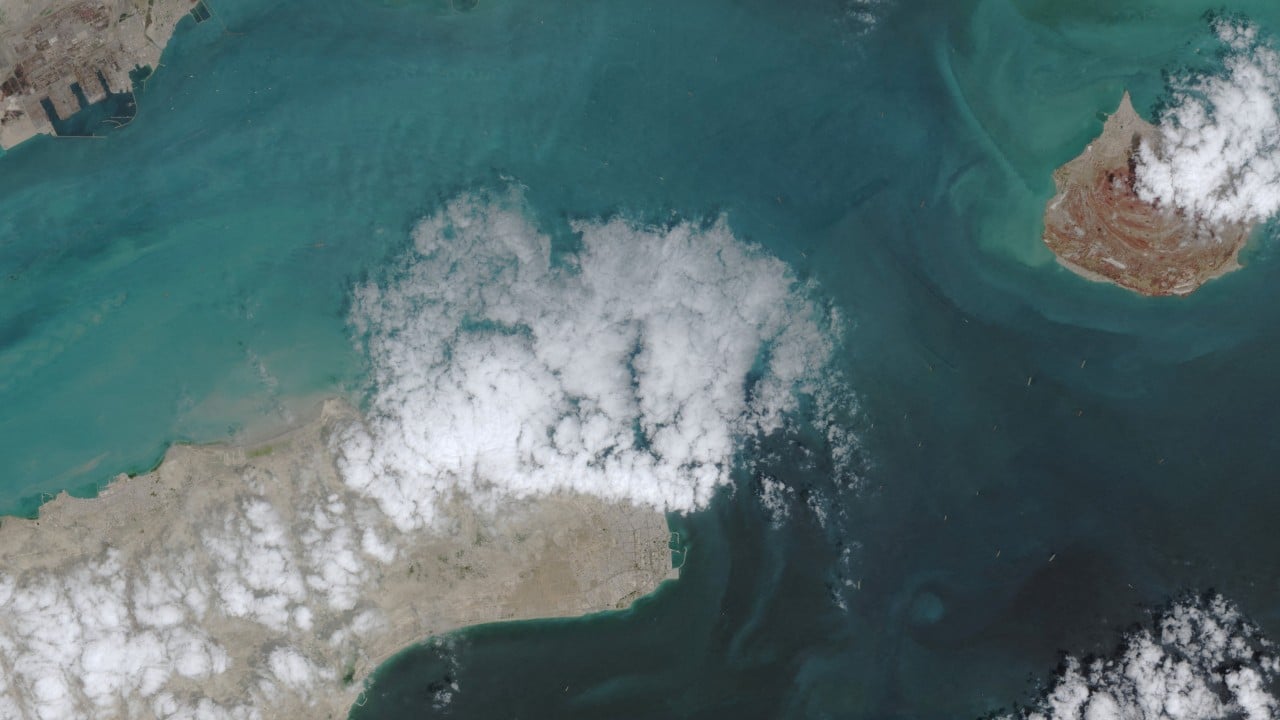
Don't get it twisted: China isn't acting out of the goodness of its heart. It’s terrified. As the world’s largest oil importer, any disruption in the Strait of Hormuz is an existential threat to the Chinese economy. Roughly 20% of global oil trade passes through that tiny chokepoint, and about 5.4 million barrels per day (mbd) of China’s supply comes right through there.
When the war caused Iranian production to collapse and shipping to stall, China didn't just panic. It pivoted. It surged imports from Russia by 300,000 barrels per day in early 2026 and dipped into its massive strategic stockpiles. But Beijing knows these are Band-Aids. The real solution is diplomatic. That’s why Chinese envoy Jun Zhai has been on a "shuttle diplomacy" marathon. He’s not just trying to stop a war; he’s trying to keep the lights on in Shanghai.
Why the US Image is Fraying
The "information war" is where the US is losing the most ground. Reports from the State Department in mid-April 2026 suggest that American global reputation is tanking, particularly in the Muslim world. The narrative that the U.S. is an "instigator" while China is a "peacemaker" is sticking.
China loves to point out that it has no colonial history in the Middle East. It presents itself as a partner that respects "sovereignty and non-interference." While the U.S. tries to build "coalitions of the willing" for military action, China is building a "consensus for peace." Even if that peace is just a thin veneer for economic interests, it’s a narrative that plays incredibly well in the Global South.
The Mediation Trap
We saw a glimpse of this in 2023 when China brokered the deal between Saudi Arabia and Iran. Back then, people called it a fluke. Today, it looks like a blueprint. In March 2026, Chinese pressure was reportedly the key factor that stopped Iran from targeting oil and gas tankers in the Strait of Hormuz.
This is the "Mediation Trap." China steps in when the U.S. is too compromised to talk to both sides. By being the only power that can actually get Tehran to pick up the phone, Beijing makes itself indispensable. You can't solve the Middle East problem without China anymore. That’s a massive shift in the global balance of power.
What You Should Watch for Next
The conflict isn't over, and China's "neutrality" will be tested if the war expands further. However, the trend is clear. To stay ahead of these shifts, focus on these three things:
- Follow the CIPS data: Watch the volume of oil traded in Yuan. If it keeps rising despite the war, the dollar’s dominance in the Gulf is in real trouble.
- Monitor the "shuttle diplomacy": Keep an eye on the specific proposals coming out of Beijing. If China manages to broker even a temporary ceasefire where the U.S. failed, it’s a total game-changer for their global standing.
- Watch the Gulf’s hedging: Notice how countries like Bahrain or the UAE are increasingly refusing to join U.S.-led maritime task forces. This "hedging" is a direct result of China offering a diplomatic alternative.
The days of the Middle East being a purely American playground are over. Beijing didn't need to fire a single shot to make that happen. They just waited for the U.S. to do what it always does—and then they showed the world they were different.