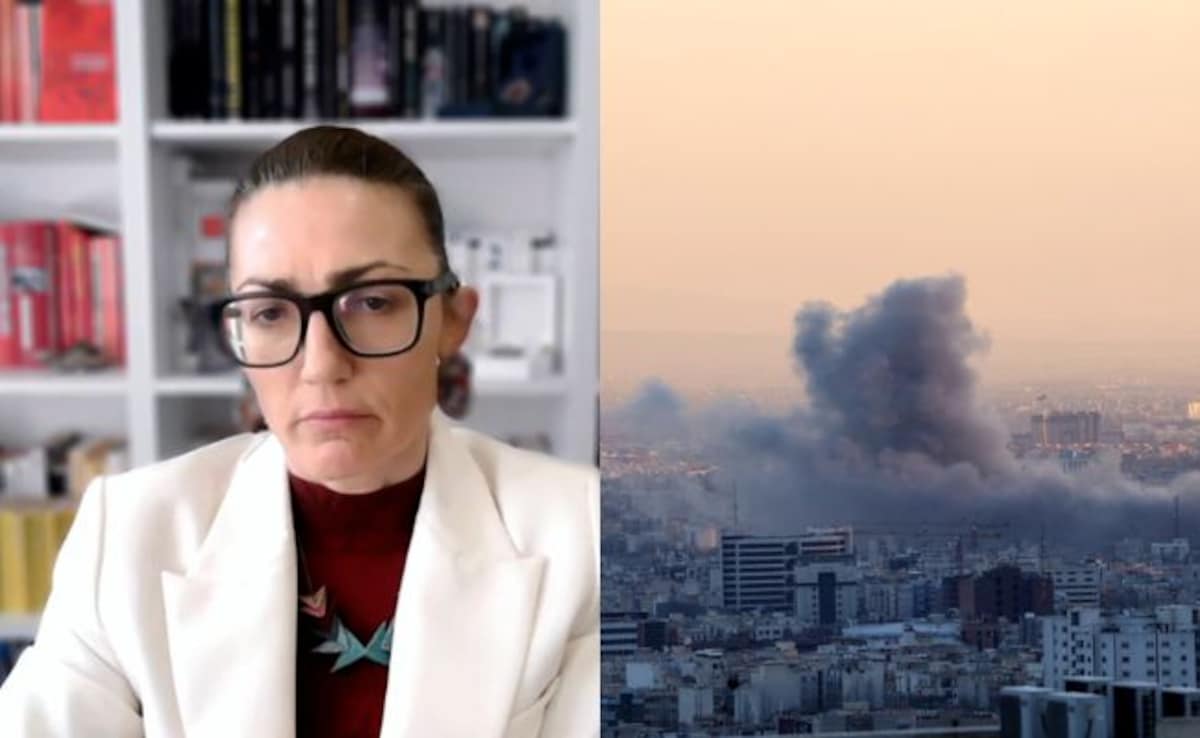
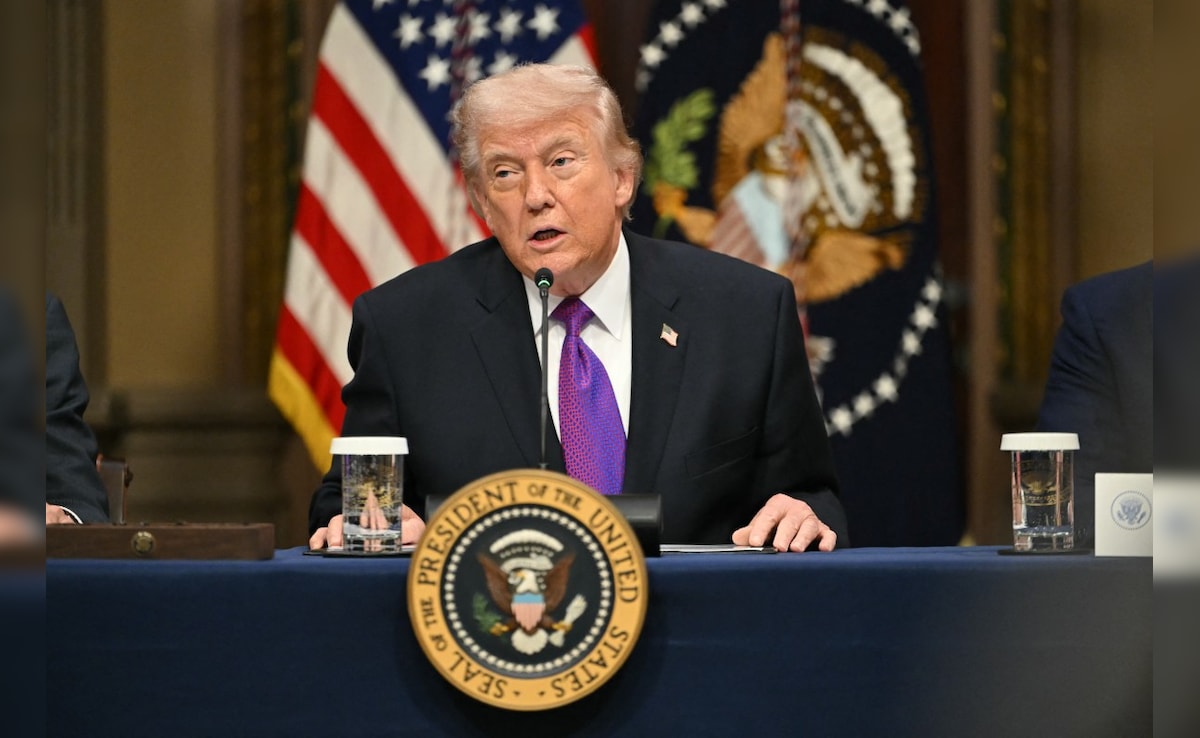
Canada is not going to war with Iran tomorrow, but for the first time in a generation, the door is no longer bolted shut. Prime Minister Mark Carney, currently navigating a high-stakes diplomatic tour of the Asia-Pacific, has shifted the national posture from passive observer to "strategic collaborator." In Canberra this week, standing alongside Australian Prime Minister Anthony Albanese, Carney refused to "categorically rule out" military participation in the escalating Middle East conflict. It was a calculated piece of ambiguity designed to signal strength to a volatile Washington while maintaining a legal distance from the unilateral strikes launched by the United States and Israel.
This is a departure from the traditional Canadian playbook of multilateral consensus. The current crisis was ignited by massive U.S.-Israeli strikes on Iranian nuclear facilities and leadership, an operation executed without consulting Ottawa or the United Nations. While Carney initially offered support for the objective of a nuclear-free Iran, his tone has sharpened into a critique of the "failure of the international order." He is walking a razor-thin line: supporting the mission while distancing Canada from the methods.
The Doctrine of Studied Ambiguity
Carney’s refusal to rule out military action is less about a hunger for combat and more about the "value of strength"—a phrase he popularized during his January address at Davos. By keeping military options on the table as a "fundamental hypothetical," the Prime Minister is attempting to buy leverage. He knows that a Canada that says "no" by default is a Canada that the United States ignores.
The distinction Carney is drawing is between offensive and defensive actions. He has been explicit that Canada was not party to the initial strikes, which he characterized as prima facie inconsistent with international law. However, he also emphasized that Canada will "always stand by and defend our allies when called upon." In the language of high-stakes diplomacy, this translates to a refusal to join an invasion of Iran, but a willingness to participate in maritime protection in the Strait of Hormuz or the defense of NATO assets if the conflict spills over.
Middle Powers and the Hegemon Problem
The "why" behind this shift lies in Carney’s broader vision for Canada as a "middle power" that can no longer rely on the protection of old rules. The global architecture is breaking. In Sydney, Carney spoke of a world where "hegemons are increasingly acting without constraint." His strategy is to form a "strategic cousins" alliance with nations like Australia to pool resources—specifically critical minerals like lithium and uranium—and create a third pole of influence that isn't entirely dependent on U.S. whims.
This is a defensive crouch disguised as a forward march. By doubling defense spending and fast-tracking a trillion dollars in domestic investment, Carney is preparing for a world where the U.S. security umbrella has holes. If Canada does enter the conflict, it will likely be through the Five Eyes intelligence network or naval support, rather than boots on the ground. The goal is to be indispensable enough to have a seat at the table, but independent enough to avoid being dragged into a "forever war" it didn't help plan.
The Domestic Cost of Geopolitics
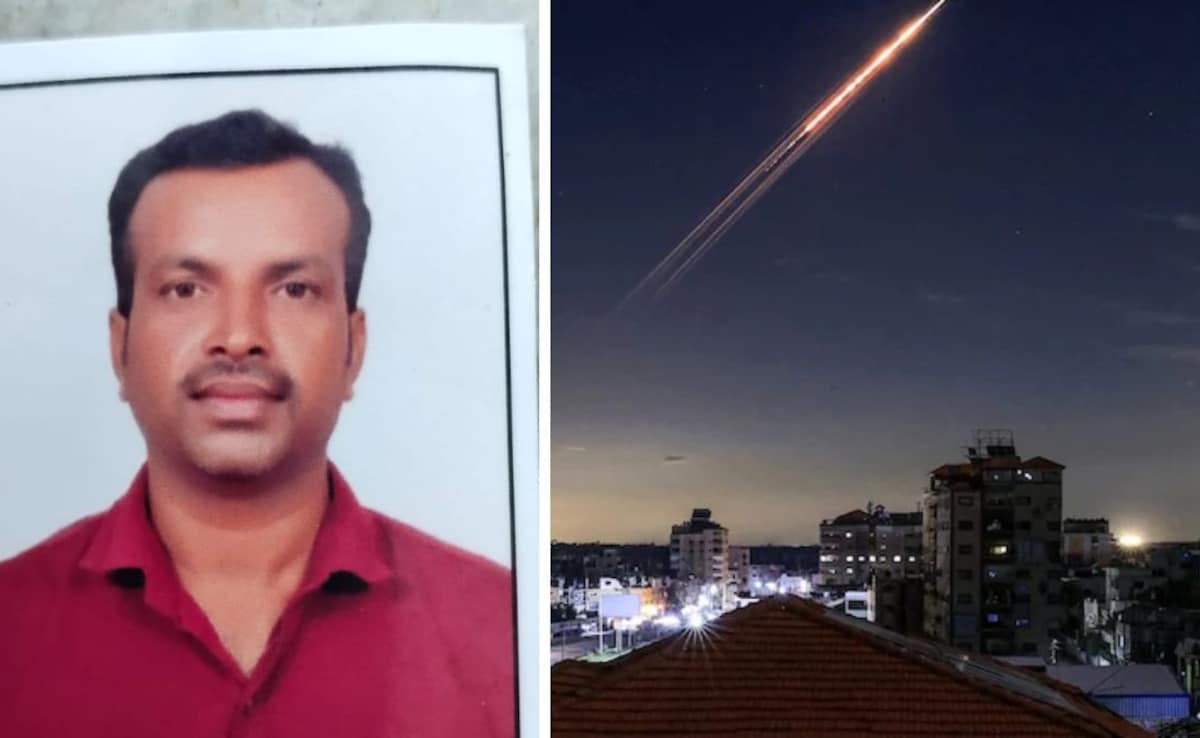
While Carney plays the grand strategist abroad, the reality at home is becoming grimmer. Foreign Affairs Minister Anita Anand is currently managing a logistical nightmare, with over 2,000 Canadians seeking extraction from a region where commercial flight paths have vanished. Major hubs like Dubai are ghost towns, and the Canadian government is scrambling to secure charter flights through UAE airspace.
There is also the very real threat of domestic blowback. The Communications Security Establishment (CSE) has already warned of an imminent surge in Iranian-sponsored cyberattacks targeting Canadian infrastructure. Since Ottawa designated the Islamic Revolutionary Guard Corps (IRGC) as a terrorist entity, Canada has been viewed by Tehran not as a neutral mediator, but as a hostile actor.
The Nuclear Bottom Line
Despite the legal hand-wringing over U.S. tactics, Carney’s endgame remains aligned with Washington on one point: a nuclear-armed Iran is a non-starter. He has stated that de-escalation "cannot be achieved" unless Iran's ability to develop nuclear weapons and export extremism is permanently ended. This is the "brutal truth" of the current administration’s policy. Canada aspires for a ceasefire, but it will not demand one until the objective of neutralizing Iran’s nuclear program is met.
This marks a significant evolution in Canadian foreign policy. We are moving away from the era of "peacekeeping" as a brand and toward a more transactional, realist approach. Carney isn't looking for a fight, but he is making sure the world knows Canada is finally rich enough, and perhaps desperate enough, to finish one. The ambiguity isn't a mistake; it's the message.
Canada is taking the world as it is, which means acknowledging that sometimes, standing by your allies means standing on the edge of a cliff.