The escalating violence between Pakistan and Afghanistan is not a simple border dispute or a localized flare-up between neighbors. It is the violent collapse of a fifty-year strategy. For decades, Islamabad sought "strategic depth" in Afghanistan, attempting to install a friendly regime in Kabul to secure its western flank. Instead, they have inherited a security nightmare. The current conflict is driven by a fundamental disagreement over the Durand Line, the resurgence of the Tehrik-i-Taliban Pakistan (TTP), and a massive trust deficit between two governments that, on paper, should be ideological allies.
What we are seeing now is the blowback of a failed geopolitical bet. Pakistan expected the 2021 Taliban takeover to end their security concerns. Instead, it emboldened domestic militants and reopened century-old wounds regarding where one country ends and the other begins. Don't forget to check out our previous coverage on this related article.
The Ghost of Sir Mortimer Durand
To understand why blood is spilling today, you have to look at a map drawn in 1893. The Durand Line, a 2,640-kilometer boundary established by the British Raj, serves as the official border in the eyes of the international community and Islamabad. However, no Afghan government—including the current Taliban regime—has ever formally recognized it.
For the Afghans, this line is an colonial scar that sliced through the Pashtun heartland. For Pakistan, the fence they have spent over $500 million building along this line is a non-negotiable necessity for national sovereignty. This is not just a disagreement over coordinates. It is a clash between the modern concept of a nation-state and an older, tribal identity that refuses to be fenced in. When Pakistani engineers roll out concertina wire, Afghan soldiers pull it down. These "minor" skirmishes are the physical manifestation of a profound legal and cultural standoff. To read more about the background here, BBC News provides an excellent summary.
The TTP Problem and the Myth of Control
The most immediate catalyst for the current fighting is the Tehrik-i-Taliban Pakistan (TTP). While the Afghan Taliban and the TTP are distinct organizations, they share a common DNA. They are ideologically linked, and many TTP fighters fought alongside the Afghan Taliban during the twenty-year insurgency against the U.S.-backed government in Kabul.
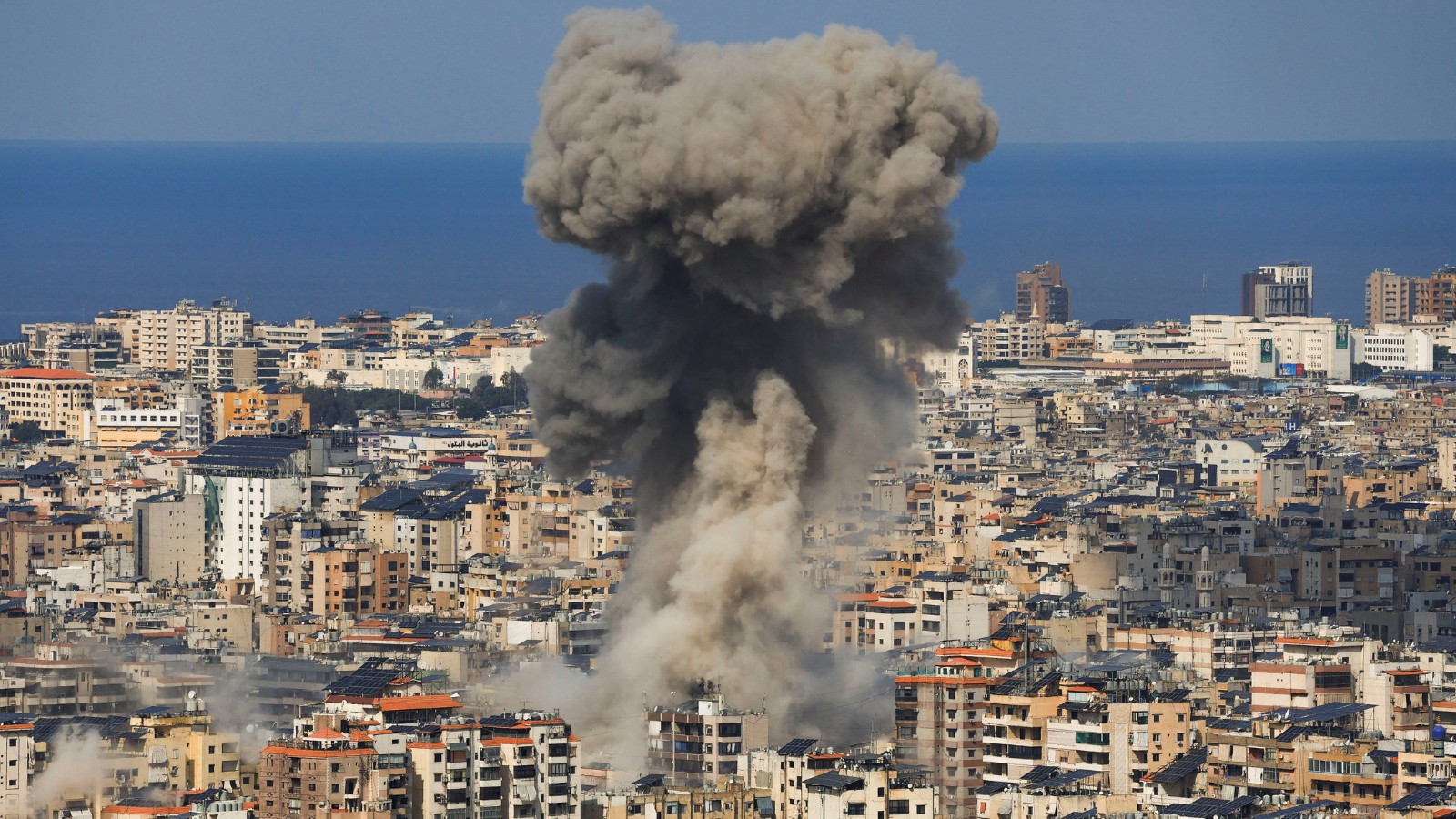
Pakistan’s core grievance is straightforward: they claim the TTP uses Afghan soil as a sanctuary to launch attacks into Pakistan. Since 2021, terror incidents in Pakistan have surged by over 70 percent. The Pakistani military, once the primary benefactor of the Afghan Taliban, now finds itself launching airstrikes into Afghan provinces like Khost and Kunar to eliminate TTP hideouts.
Kabul’s response has been a mix of denial and defiance. The Taliban leadership argues that Pakistan’s security failures are internal and that they will not do Islamabad's "dirty work" by hunting down fellow Islamists. This has turned a marriage of convenience into a bitter, public divorce. Pakistan has responded by weaponizing its leverage, specifically through the mass deportation of Afghan refugees and the tightening of trade transit points.
Economic Warfare at the Torkham Gate
The conflict is moving beyond bullets and into the realm of economic strangulation. The Torkham and Chaman border crossings are the arteries of the Afghan economy. Afghanistan is landlocked and relies heavily on Pakistani ports for international trade.
By frequently closing these gates, Pakistan sends a clear message to the Taliban: security cooperation is the price of economic survival. But this strategy carries immense risk. Every day a border crossing is closed, thousands of trucks filled with perishable goods rot in the heat. This doesn't just hurt the Taliban leadership; it radicalizes the border populations who rely on this trade for their daily bread.
The Cost of Stalled Trade
| Impact Area | Consequences of Border Closures |
|---|---|
| Local Economy | Thousands of daily wage laborers lose income instantly. |
| Food Security | Prices of flour and sugar in Afghanistan skyrocket within 48 hours. |
| State Revenue | Both nations lose millions in customs duties and transit fees. |
| Diplomacy | Deepens the narrative of Pakistan as an "oppressive neighbor." |
The Regional Power Vacuum
The international community, largely fatigued by decades of Afghan intervention, has mostly looked away. This has created a vacuum where regional players are forced to pick sides or manage the fallout. China, which has massive infrastructure investments in Pakistan through the CPEC project, is increasingly worried. Beijing needs a stable Afghanistan to extract minerals and a stable Pakistan to protect its corridors to the sea.
Iran, too, watches the border with suspicion. The instability allows groups like ISIS-K to flourish in the chaotic "gray zones" where neither Kabul nor Islamabad has full control. This is the great irony of the current conflict: by fighting each other, Pakistan and the Taliban are creating the perfect environment for their common enemies to grow.
The Strategic Depth Fallacy
For years, the Pakistani security establishment believed that a religious, Pashtun-led government in Kabul would be the ultimate safeguard against Indian influence and internal separatist movements. This was the doctrine of strategic depth. It was based on the assumption that ideological brotherhood would trump nationalist interests.
That assumption was wrong.
The Taliban are nationalists first. Now that they hold power, they are unwilling to sacrifice their own internal cohesion—which would be threatened if they moved against the TTP—just to satisfy Islamabad’s security requirements. Pakistan is realizing that a Taliban-led Afghanistan is even more difficult to manage than the previous Western-backed administration. The old leverage is gone, and in its place is a neighbor that knows exactly how to fight a long-term asymmetric war.
Internal Pressures and Political Survival
In Pakistan, the military is under immense pressure. Following a period of significant political upheaval and economic distress, the army needs to prove it can still provide "total security." Failed negotiations with the TTP in 2022 left a sour taste in the mouth of the high command. The current "hardline" approach—airstrikes, deportations, and border fencing—is as much about domestic optics as it is about counter-terrorism.
In Kabul, the Taliban face their own internal fractures. The "Kandahar faction" and the "Haqqani network" often have different views on how to handle Pakistan. However, they are united in their refusal to appear as puppets of Islamabad. Any concession on the Durand Line or the TTP would be seen as a betrayal of their sovereign struggle.
The Human Toll of Policy Failure
Behind the high-level diplomatic spats and military maneuvers lies a massive humanitarian crisis. The forced repatriation of over half a million Afghans from Pakistan has created a localized catastrophe. Many of these people have lived in Pakistan for decades. They are being sent back to a country with a collapsed economy and a restrictive social environment.
This mass movement of people is being used as a pawn in a geopolitical game. When Pakistan feels the Taliban are not listening, they squeeze the refugee population. This cycle of collective punishment does nothing to stop the TTP; it only ensures that the next generation of border dwellers will grow up with a deep-seated resentment toward the Pakistani state.
No Easy Exit
There is no "peace deal" on the horizon because the two sides are not even talking about the same problem. Pakistan wants a kinetic solution to terrorism. Afghanistan wants an end to colonial borders and economic sovereignty.
The border will remain a flashpoint because both sides have invested too much in their respective narratives to back down. Pakistan cannot stop the fencing without admitting the Durand Line is a fiction. The Taliban cannot expel the TTP without risking a civil war within their own ranks.
The most likely path forward is a grueling war of attrition. Short periods of calm will be punctuated by bursts of heavy artillery fire and suicide bombings. The fence will continue to go up, and it will continue to be cut down.
If Islamabad wants to break this cycle, it must move beyond the mindset of the 1990s. The era of managing Afghanistan through proxies is over. Kabul is no longer a client state; it is a competitor with its own agenda and a long memory. Until both nations accept the reality of the other's sovereignty and the complexity of their shared ethnicity, the Durand Line will remain one of the most dangerous places on earth.
The next time a border post goes up in flames, do not look for a localized cause. Look at the maps in the halls of power in Islamabad and the rugged mountains of Kandahar, where two different visions of history are colliding in real-time.
Stop waiting for a diplomatic breakthrough that ignores the fundamental tribal and territorial realities of the frontier.