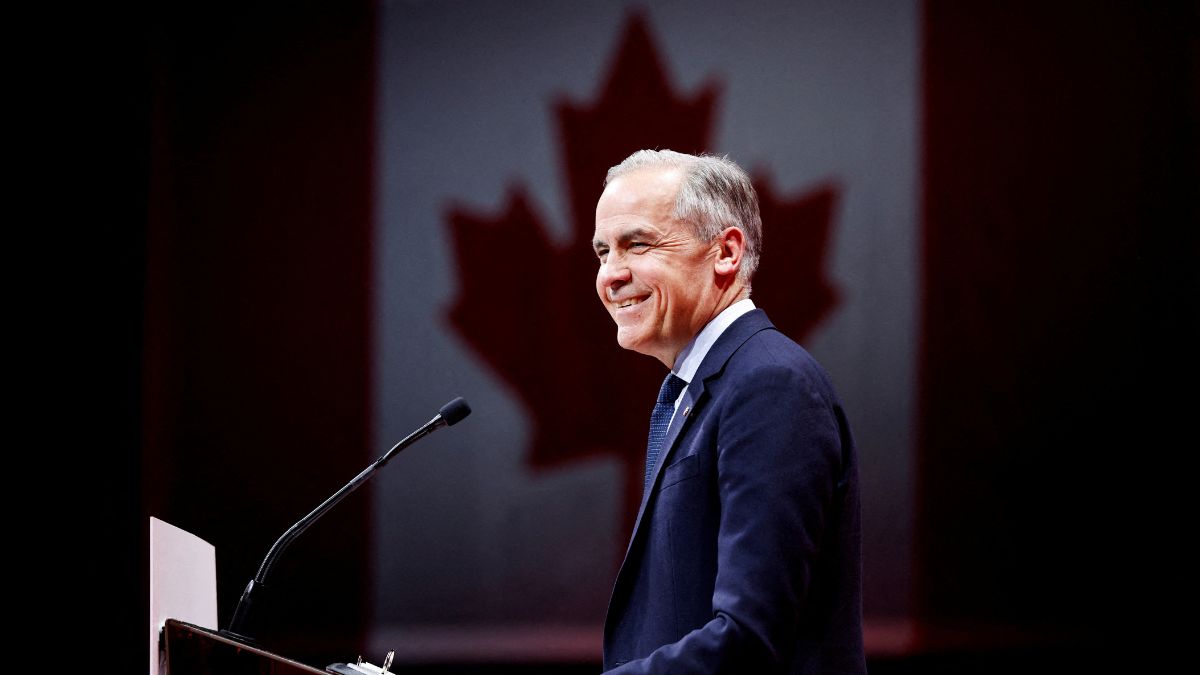
The press release arrived exactly as expected. Glossy photos of ministers shaking hands, talk of "shared values," and a stack of Memorandums of Understanding that aren't worth the recycled paper they’re printed on. Australia and Canada just signed a "fresh" deal to secure critical mineral supply chains. The media is calling it a strategic masterstroke against market dominance.
They’re wrong. This isn't a strategy. It's a support group for countries that have forgotten how to actually build things.
By doubling down on this "Five Eyes" mineral alliance, both nations are effectively subsidizing their own irrelevance. While they congratulate each other on being the world’s "stable" quarry, the actual value—the chemistry, the mid-stream processing, and the patent-protected manufacturing—remains exactly where it was before the ink dried: in the hands of the very competitors they claim to be distancing themselves from.
The Myth of the "Friendly" Quarry
The central fallacy of the Australia-Canada pact is the idea that being "reliable" and "democratic" is a competitive advantage in the commodities market. It isn't. In the world of lithium, nickel, and rare earths, the only metrics that matter are cost-per-tonne and the ability to process raw ore into battery-grade chemicals without getting bogged down in a decade of environmental litigation.
Canada and Australia have the highest labor costs, the most stringent (and slowest) permitting processes, and the most geographically isolated deposits on the planet. Signing a deal to "collaborate" doesn't change the physics of the balance sheet.
I’ve sat in boardrooms where juniors pitch these "secure supply chain" projects. They talk about ESG scores and geopolitical safety. Then the engineers walk in and point out that the project requires a $2 billion infrastructure spend before a single gram of earth is moved. Meanwhile, a Chinese-backed operation in Indonesia or Africa is already halfway through its ramp-up because they don't wait five years for a bird nesting survey to conclude.
The "security" these deals offer is an illusion. You aren't secure if your mineral is "friendly" but costs 40% more than the market rate. You’re just bankrupt.
Digging Holes Is Not an Industry
The competitor narrative suggests that by digging more holes in Ontario or Western Australia, we are winning. This is a fundamental misunderstanding of the value chain.
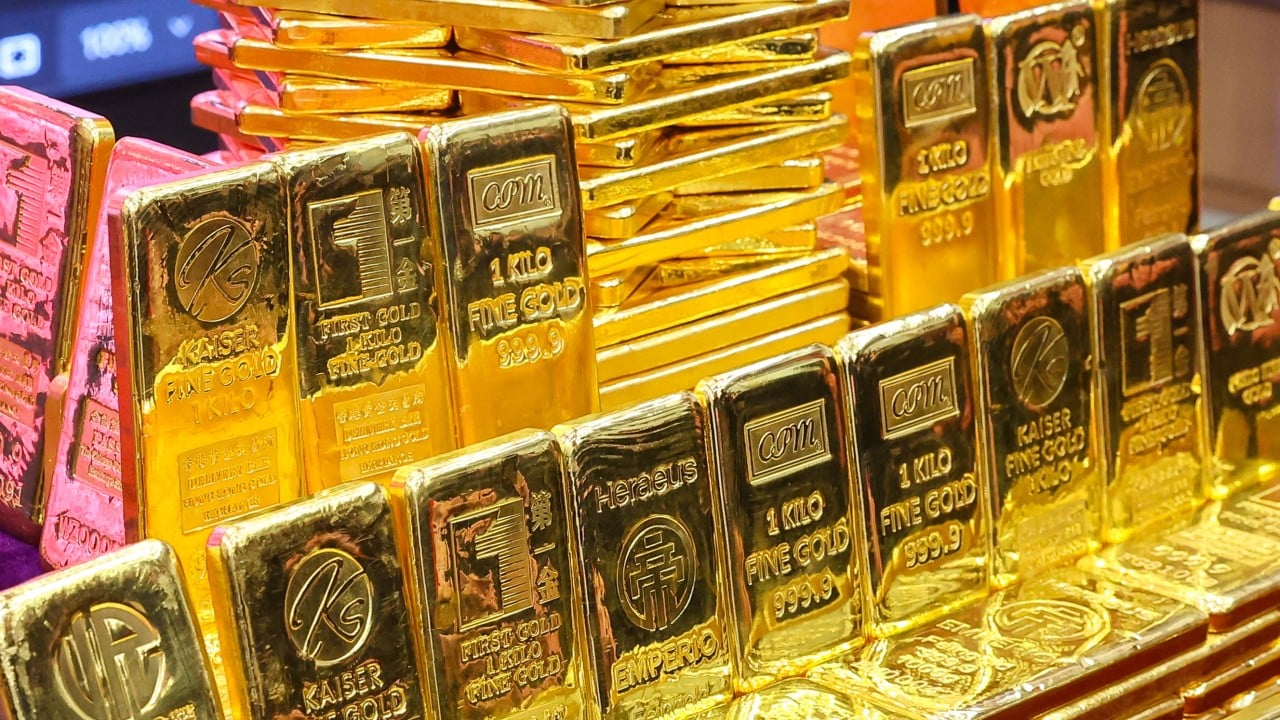
If you mine spodumene in Australia and ship it to a refinery in Yichun, you haven't secured anything. You've just performed the most dangerous, lowest-margin part of the job for someone else. Canada and Australia are obsessed with the "extraction" phase because it’s easy to understand. It creates blue-collar jobs that look good in campaign ads.
But the real power lies in the conversion. Specifically, the conversion of:
- Lithium Carbonate and Hydroxide
- High-purity Manganese
- Rare Earth Oxides (REOs)
China controls roughly 85% of global rare earth processing and 60% of lithium refining. Australia and Canada’s new "deal" mentions "joint investment" in processing, but look at the track record. The Kwinana refinery in Australia has been a comedy of delays and technical hurdles. Canada’s rare earth aspirations are still mostly theoretical.
We aren't building a supply chain; we’re building a museum of missed opportunities.
The Subsidized Zombie Project
Here is the dirty secret of the critical minerals push: most of the "new" projects being touted by Ottawa and Canberra are economically non-viable. They only exist because of government grants, tax credits, and soft loans.
This creates a "Zombie Project" economy. Instead of companies competing to be the most efficient, they are competing to be the most politically aligned. They spend more time in the halls of parliament than in the pit.
- The Problem: When the government picks winners, it usually picks the loudest losers.
- The Result: We end up with a high-cost, fragile supply chain that collapses the moment the subsidies are pulled or a cheaper alternative emerges.
Imagine a scenario where the price of lithium drops by 50%—which, by the way, it does regularly. A lean, privately-funded operation might survive by cutting fat. A subsidized "national security" project will go straight to the taxpayer for a bailout, or simply mothball the site, leaving the "secure supply chain" in tatters.
The Fallacy of "Diversification"
People also ask: "Doesn't any move away from a single-source supplier improve security?"
Not if that move involves tethering yourself to a partner who has the exact same weaknesses you do. Canada and Australia are essentially the same economic entity in different time zones. Both have massive landmasses, small populations, high costs, and a chronic inability to move from "resource play" to "technology play."
True diversification would involve aggressive, uncomfortable partnerships with emerging markets that actually have the scale to compete. Instead, we have a "Coalition of the Expensive." It’s like two people who can’t swim grabbing onto each other in the middle of the ocean. They aren't "securing" their safety; they’re just ensuring they go down together.
The Innovation Gap
While ministers talk about "critical minerals," the rest of the world is moving toward "critical chemistry."
The focus on specific minerals (like cobalt) is already becoming obsolete. Battery tech is moving toward LFP (Lithium Iron Phosphate) and sodium-ion cells that bypass the most expensive and "unethical" ingredients. By the time Canada and Australia finish their 12-year permitting cycle for a new cobalt mine, the market might not even want the product.
We are fighting the last war. We are focusing on the ingredients while the competitors are mastering the recipe.
The Brutal Reality of the Mid-Stream
If Australia and Canada actually wanted to disrupt the status quo, they wouldn't be signing MOUs. They would be doing three things:
- Total Regulatory Overhaul: You cannot have a "strategic" industry that takes 15 years to build a mine. It’s a contradiction in terms.
- Mandatory Domestic Processing: Stop exporting raw ore. If it’s "critical," why are we letting the raw value leave our shores?
- Chemical Patents, Not Rock Piles: Invest in the intellectual property of how these minerals are used. Owning the dirt is for peasants; owning the molecules is for kings.
The current "deals" do none of this. They are decorative. They are designed to make voters feel like the government is "doing something" about the "China threat" without actually doing the hard work of making our economies competitive.
The Risk of the "Green" Label
There is a massive push in these deals to brand Canadian and Australian minerals as "Green" or "Ethical." The logic is that Western automakers will pay a premium for minerals that aren't tied to child labor or massive carbon footprints.
This is a delusion.
In a globalized commodity market, the "Green Premium" is a myth that dies the second a quarterly earnings report misses expectations. Do you think a manufacturer in Ohio or Bavaria is going to pay 30% more for "ethical" Australian nickel when their competitors are using cheaper "standard" nickel? History says no. Capitalism says no.
The "ethical" tag is a cope for being uncompetitive on price.
The Missing Link: Sovereign Wealth
The most glaring omission in the Australia-Canada dialogue is the lack of a genuine sovereign investment vehicle that can take the kind of 20-year risks required to unseat an incumbent.
Private equity wants a return in five years. Public markets are too volatile. The only way to build a real alternative supply chain is for the state to act like a VC, not a bureaucrat. But instead of taking equity stakes in the next generation of chemical processing tech, these governments are just handing out "stimulus" checks to mining majors who use the cash for share buybacks.
Stop Congratulating the Quarry
The Australia-Canada deal is a symptom of a broader Western malaise. We think that by talking about a problem and signing a document with a friend, the problem is solved. It isn't.
The "supply chain security" we are chasing is being built on a foundation of high costs, slow timelines, and a refusal to acknowledge that we have lost the mid-stream race. Every dollar spent on these symbolic alliances is a dollar not spent on the radical deregulation and technological leapfrogging required to actually win.
We are currently the world’s most polite providers of raw materials. Unless we stop obsessing over the "mineral" and start mastering the "material," we will remain exactly where we are: at the bottom of the value chain, wondering why our "secure" minerals are being sold back to us in products we no longer know how to make.
The deal isn't a breakthrough. It’s a funeral for Western industrial ambition, disguised as a partnership.
Go back to the drawing board. Stop digging. Start synthesizing.