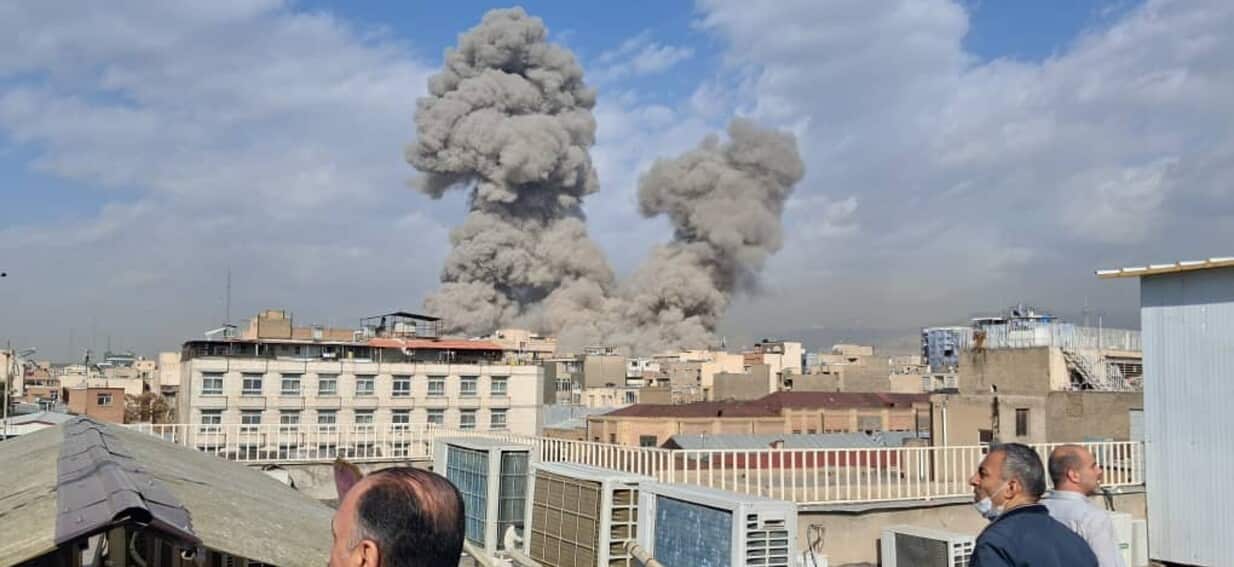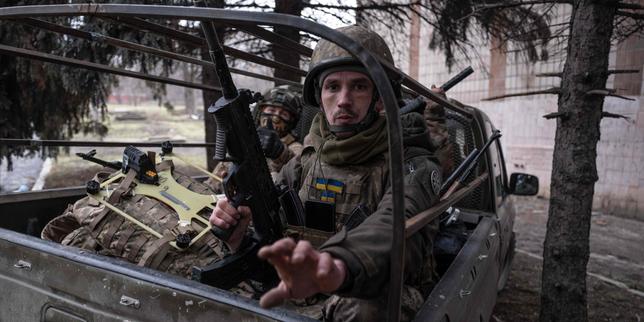
The war in Ukraine has transitioned from a conflict of maneuver into a permanent state of industrial and technological attrition. Success on the modern battlefield is no longer defined by the seizure of territory in isolation, but by the relative exhaustion of four critical resource pools: high-precision munitions, electronic warfare (EW) spectrum dominance, mobilized human capital, and domestic political endurance. The current stalemate is not a sign of inactivity but an indicator of a high-intensity equilibrium where both sides have optimized their defensive architectures to neutralize traditional offensive advantages.
The Triad of Modern Defensive Superiority
The inability of either side to achieve a decisive breakthrough is the result of three converging technical factors that have rendered 20th-century combined arms doctrine obsolete.
1. Total Battlefield Transparency
The proliferation of persistent Intelligence, Surveillance, and Reconnaissance (ISR) assets means the element of surprise has effectively vanished. Satellite constellations, high-altitude long-endurance (HALE) drones, and tactical FPV (First Person View) units create a "glass battlefield."
- Detection-to-Strike Latency: The time between a unit being spotted and an artillery or drone strike being initiated has dropped to under three minutes in active sectors.
- Concentration Risks: Any concentration of armor or infantry exceeding company strength (100–150 personnel) is identified and targeted before it can reach the line of departure.
2. The Decentralized Precision Revolution
Small, cheap, and expendable assets now dictate the cost-exchange ratio of the war. A $500 FPV drone capable of disabling a $5 million Main Battle Tank (MBT) represents an asymmetric advantage that favors the defender. This creates a "cost-per-kill" disparity that makes large-scale mechanized assaults economically and logistically unsustainable for the attacker.
3. Electronic Warfare and Spectrum Denial
The electromagnetic spectrum is now a primary domain of combat. The efficacy of Western GPS-guided munitions (such as Excalibur or HIMARS) has fluctuated based on the speed of Russian EW adaptation. Defense now relies on "frequency hopping" and AI-driven terminal guidance that can operate in GPS-denied environments. The side that controls the 2.4GHz to 5.8GHz bands at the tactical edge dictates the survival of its drone fleet.
The Industrial Logic of Attrition
Victory is currently tethered to the "Production-to-Loss Ratio." We must analyze the conflict through the lens of industrial output rather than tactical movement on a map.
Shell Hunger vs. Industrial Mobilization
The war of 1,000-kilometer front lines is fundamentally an artillery duel. The Russian Federation has pivoted to a "war economy," utilizing a triple-shift system to produce approximately 250,000 artillery munitions per month. In contrast, the European Union and the United States have struggled with "just-in-time" supply chain bottlenecks, leading to a persistent shell deficit for Ukrainian forces.
The bottleneck is not just the lack of explosives or steel, but the scarcity of specialized machinery and the "aging out" of technical expertise in Western defense manufacturing. The structural limitation of the Ukrainian defense is its reliance on external legislative cycles for consistent replenishment, creating "rhythm gaps" that Russian commanders exploit through localized pressure.
The Manpower Variable and Demographic Constraints
Attrition is a function of replacement rates. Ukraine faces a demographic "pinch point" where the cohort of males in their 20s is significantly smaller than previous generations. This forces a strategic choice between economic preservation (keeping youth in the workforce) and front-line viability.
Russia’s strategy relies on a "meat-grinder" calculus: accepting high casualty rates in exchange for incremental territorial gains, betting that their larger population base can absorb losses longer than the Ukrainian social fabric can sustain. The sustainability of this model depends on the internal stability of the Russian "contract soldier" system and the continued insulation of the middle class in major urban centers from the realities of the front.
The Shift Toward Autonomous Systems and AI Integration
As human reserves dwindle, the war is accelerating the integration of autonomous killing systems. We are witnessing the first "Algorithmic War."
AI-Enabled Target Recognition
Manual drone piloting is susceptible to EW jamming because it requires a continuous radio link between the operator and the aircraft. The next phase, already being deployed in pilot programs, involves edge-computing AI. Once a drone identifies a target, it severs the link and completes the strike autonomously, bypassing EW interference.
The Networked Front
Ukraine’s "Delta" situational awareness system integrates data from sensors, intercepted communications, and civilian reporting into a real-time map. This digitization of command and control (C2) allows a smaller force to act with much higher efficiency. The limitation of this system is its dependence on satellite backhaul (like Starlink), which remains a single point of failure and a geopolitical lever.
Energy as a Kinetic Weapon
The targeting of energy infrastructure serves a dual purpose: degrading the industrial base and inducing civil fatigue.
- Industrial Paralysis: Without reliable power, domestic drone production and vehicle repair facilities must operate on decentralized, inefficient generator power.
- Psychological Attrition: Consistent blackouts aim to break the social contract between the Ukrainian government and its citizens.
The defense against this strategy is not just more Patriot batteries, but "Passive Defense"—the hardening of substations, the burial of critical nodes, and the decentralization of the grid into modular micro-grids. The cost of protecting a transformer is significantly higher than the cost of the Shahed-type drone used to destroy it, creating an ongoing fiscal drain on Ukrainian resources.
Geopolitical Friction and the Proxy Dilemma
The conflict is governed by a set of "Red Lines" that are constantly being redefined. The primary constraint on Ukrainian offensive capability is not lack of will, but the calibrated escalation management of its partners.
- The Sanctuary Effect: By restricting the use of long-range weapons against targets deep within Russian territory, Western partners have inadvertently granted Russia a "sanctuary" from which to launch sorties and logistics. This forces Ukraine to fight a reactive war rather than a proactive one.
- The Sanctions Leakage: The Russian economy has proven more resilient than early 2022 models predicted. Through "shadow fleets" for oil exports and third-party intermediaries (the "Silk Road" through Central Asia), Russia continues to access high-end microchips and precision components required for cruise missile production.
Strategic Forecast: The Pivot to "Active Defense"
The immediate future of the conflict will not be defined by a grand "thunder run" to the sea or the collapse of either capital. Instead, the strategic priority for Ukraine must shift toward a doctrine of Sustainable Active Defense.
The Actionable Framework for 2026:
- Vertical Integration of Drone Production: Ukraine must move beyond assembling imported kits to manufacturing the entire stack—flight controllers, motors, and optical sensors—domestically to insulate itself from global supply chain volatility.
- The "Maginot" Hybridization: Constructing deep, multi-layered fortifications (dragon's teeth, minefields, and automated turret systems) across the entire 1,000km front to reduce the number of infantry required to hold the line, thereby freeing up elite units for localized counter-offensives.
- Spectrum Agility: Investment in "Software Defined Radio" (SDR) technology that can change frequencies mid-flight to counter Russian EW adaptations in real-time.
- Asymmetric Naval Engagement: Continued use of Uncrewed Surface Vessels (USVs) to deny the Russian Black Sea Fleet freedom of movement, ensuring the grain corridor remains viable regardless of the land war's status.
The path forward is a grueling race to achieve industrial parity. The side that first solves the "Autonomous Terminal Guidance" problem at scale will gain a 3–6 month window of tactical dominance. Until then, the conflict remains a contest of logistical endurance and the ability to innovate faster than the enemy can adapt. The war will be won not by the side that takes the next village, but by the side that maintains its "Industrial Oxygen" the longest.