Football is supposed to be about passion, not survival. But on Friday night in Lima, the boundary between a celebration and a catastrophe vanished. What started as a "banderazo"—a traditional, high-energy flag-waving rally for Alianza Lima fans—ended with one person dead and at least 60 others injured.
If you’re looking for a simple explanation, you won't find one yet. Early reports blamed a collapsing wall at the Alejandro Villanueva Stadium, but the club and local fire officials have already shot that down. There was no structural failure. No bricks fell. Instead, it looks like a classic, terrifying crowd crush in the south stands.
It’s the kind of nightmare that happens when too many people try to occupy the same space at the same time, fueled by the adrenaline of a looming derby against Universitario.
What actually happened at Matute
The Alejandro Villanueva Stadium, or "Matute" as the locals call it, is a legendary ground. It’s been around since the 70s and sits right in the heart of the La Victoria district. On Friday, it was packed with fans who didn't even have tickets. Why? Because the event was a free rally, a pre-match ritual meant to fire up the players before Saturday's big game.
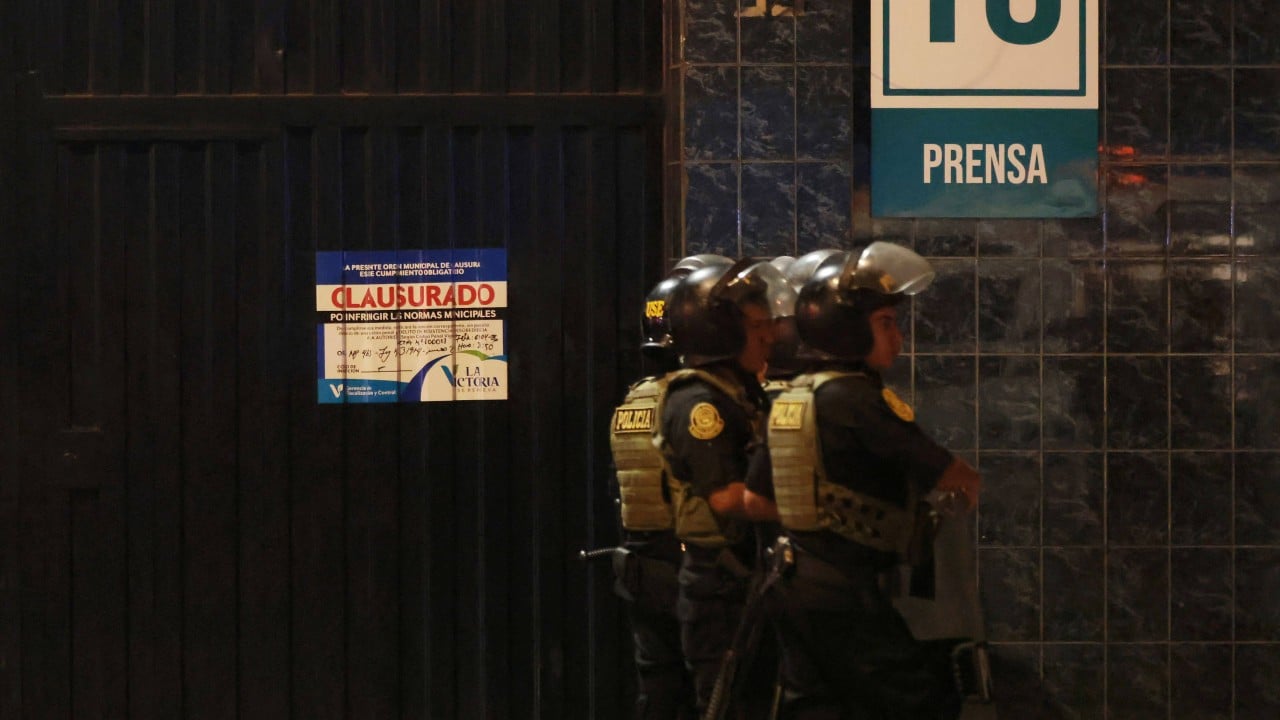
Videos from the scene show a chaotic mix of fireworks and a sea of people. Then, the tone shifts. You see the rescue units—eight of them from the Mobile Emergency Medical Service—scrambling to reach people trapped in the stands.
Here’s the reality of the numbers:
- 1 person confirmed dead by Health Minister Juan Carlos Velasco.
- 60 people injured, according to the latest tallies.
- 3 fans in critical condition, fighting for their lives in Lima hospitals.
Fire chief Marcos Pajuelo was blunt about the state of the building. He confirmed there was no debris and no collapsed sections. This wasn't a failure of concrete; it was likely a failure of crowd control.
The permit problem nobody is talking about
Here’s where things get messy. Lima officials have already pointed out that this "flag-waving" event didn't have the valid permits or the required security guarantees. Think about that for a second. You have thousands of fans pouring into a stadium for a high-intensity rally, and the paperwork—the very thing that dictates how many security guards and medics need to be on-site—wasn't in order.
Alianza Lima’s chief, Fernando Cabada, told local media these events are common and they’ve never had an issue before. That’s a dangerous way to look at safety. "It's always been fine" is exactly what people say right before it isn't.
When you remove the barrier of a ticket, you remove the primary way a stadium tracks its capacity. In a neighborhood like La Victoria, where the passion for Alianza runs deep, a "free event" is an invitation for a crush.
The myth of the collapsing wall
In the digital age, bad information travels faster than the truth. Almost immediately after the incident, the Ministry of Health reported a structural collapse. The internet took it and ran. It makes for a simpler headline, doesn't it? "Old Stadium Falls Down."
But the truth is more haunting. If the building didn't fail, then the system did. The club has vowed "total transparency" and is collaborating with authorities, but the damage is done. One fan isn't coming home, and dozens of others are traumatized or physically broken.
Moving forward in Peruvian football
The Peruvian Professional Soccer League said Saturday's match would go ahead. That’s a controversial call, but in the world of professional sports, the show almost always goes on. They've promised to work closer with clubs to "promote safe environments," but we’ve heard that script before.
If you're a fan attending these matches, you've got to be aware of your surroundings. Stadiums like Matute are iconic, but they aren't modern marvels of crowd flow.
If you find yourself in a situation where the crowd feels too tight:
- Don't fight the tide. Move diagonally to the edges of the crowd where the pressure is lower.
- Keep your arms up. In a crush, the biggest danger is lack of oxygen. Keeping your arms in front of your chest like a boxer gives your lungs room to expand.
- Stay on your feet. If someone falls, the "hole" they leave causes others to trip, creating a pile-up.
This tragedy shouldn't have happened. It's a grim reminder that when we ignore the logistics of safety for the sake of "tradition" or "passion," the cost is measured in human lives. Whether it's better permit enforcement or stricter capacity limits for non-match events, something has to change before the next derby.
Hold the clubs accountable. Demand better than "it's never happened before." Because now, it has.