Tech giants aren't exactly known for their charity. But when the choice is between paying for your own power or having the federal government stall your multi-billion dollar data centers, you reach for the checkbook. On March 4, 2026, the CEOs of Google, Microsoft, Amazon, Meta, Oracle, xAI, and OpenAI stood at the White House and signed the Ratepayer Protection Pledge. It’s a massive shift in how the industry operates, and frankly, it's about time.
For years, these companies have been quietly sipping from the public grid while the rest of us watched our utility bills climb. Now, they've promised to "build, bring, or buy" their own energy. This isn't just a PR stunt; it’s a survival tactic. AI demand is so high that the Department of Energy predicts data centers could swallow 12% of all U.S. electricity by 2028. If they don't fix the supply problem themselves, the grid is going to snap, and the public backlash will be far more expensive than a few power plants.
The Deal That Ends the Free Ride
The core of this pledge is simple. If a tech company wants to build a new AI hub, they can't just plug it into the wall and hope for the best. They have to prove they aren't driving up costs for the family living down the street. Under the new framework, these companies are committing to three specific things:
- Building dedicated generation: They’re becoming their own utilities. We're talking about on-site natural gas plants, massive solar farms, and even small modular nuclear reactors (SMRs).
- Paying for the "Pipes": It’s not just the power; it’s the delivery. Tech giants will now foot the bill for substations and transmission lines that previously would have been subsidized by local taxpayers.
- Guaranteed Payments: They’re signing contracts to pay for the infrastructure even if they don't end up using every megawatt. This "take-or-pay" model ensures utilities don't get stuck with "stranded assets" if the AI bubble ever pops.
Why Trump Forced the Issue
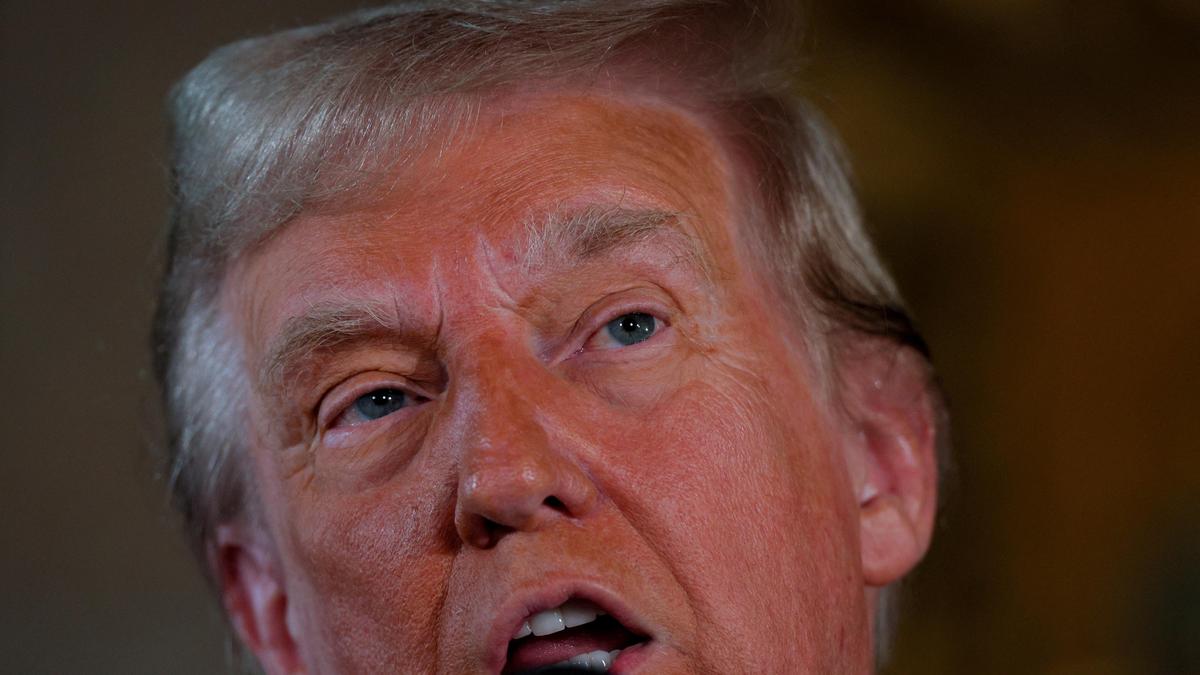
It’s no secret that President Trump has been hammering "Big Tech" on energy since the 2024 campaign. By early 2026, residential electricity prices had jumped roughly 6% in a single year. In some data center hotspots, wholesale prices spiked over 200%. That’s a political nightmare during a midterm election cycle.
The administration basically told these firms that if they want the federal government to keep streamlining permits and handing over federal land for data centers, they have to stop being "energy parasites." It’s a classic "pay to play" scenario. Trump's "Winning the Race: America’s AI Action Plan" prioritizes national security and AI supremacy, but it doesn't work if voters are sitting in the dark because a chatbot used up the local reserve.
The Anthropic Exception
You might notice one name missing from the list: Anthropic. They didn't sign. This isn't just about energy; it’s a full-blown feud. After the company refused to lift safety guardrails for Department of Defense (now Department of War) projects, the administration labeled them a "supply chain risk." It’s a brutal reminder that in 2026, being an AI leader requires being in lockstep with national infrastructure goals. If you aren't at the table, you're on the menu.
Can They Actually Build Fast Enough?
Here’s the reality check. Signing a piece of paper is easy. Building a power plant is hard. Most experts, including those at Advanced Energy United, are skeptical that these "built-in" energy sources can come online before the grid hits a breaking point in 2027 or 2028.
The administration is pushing fossil fuels—specifically natural gas—because it's faster to build than wind or solar. Elon Musk’s xAI has already demonstrated this "move fast and break things" energy strategy in Memphis, using semi-trailer-mounted gas generators to get online quickly. It's loud, it's messy, and it’s effective. Microsoft and Amazon are looking at the long game, betting on nuclear restarts like Three Mile Island and Susquehanna.
What This Means for Your Bill
If this works, you shouldn't see "AI surcharges" on your bill anymore. By decoupling industrial AI demand from the residential grid, the goal is to stabilize prices. Microsoft and OpenAI have even promised to let the grid "borrow" their backup power during heat waves or hurricanes.
But don't expect your rates to drop overnight. The grid is still 70% old iron and outdated wires. While the tech giants are paying for their own "private highways" of energy, the rest of the country is still driving on crumbling backroads.
To see if this actually changes anything, watch your local utility's next rate case filing. If they aren't citing "data center load growth" as a reason for a price hike, the pledge is working. If they are, then these White House signatures weren't worth the ink.
Check your next two electricity statements. Look for any "infrastructure adjustment" fees. If those start disappearing or stabilizing, the tech giants are finally carrying their own weight. Otherwise, you’re still subsidizing the world’s most expensive calculators.