The smoke hasn’t cleared in nearly fifty years. When you look at the current friction between Washington and Tehran, it’s easy to think we’re watching a brand-new movie. It isn’t. We’re watching a sequel to a premiere that started on November 4, 1979. Most people point to the 2020 drone strike on Qasem Soleimani or the collapse of the nuclear deal as the "lowest point" in history. They're wrong. Those events are just ripples. The 1979 Embassy Attack is the original stone thrown into the pond, and its splash created a tidal wave that neither side has figured out how to surf.
If you’ve seen the movie Argo, you know the Hollywood version. Ben Affleck swoops in, some fake Canadian filmmakers trick the Revolutionary Guard, and everyone gets home for dinner. It’s a great thriller. It’s also barely a fraction of the actual trauma that reshaped global geopolitics. The real story isn't just about six people escaping through an airport. It’s about 52 Americans held for 444 days and a relationship that went from "strategic partners" to "mortal enemies" overnight.
The Day the World Changed for American Diplomats
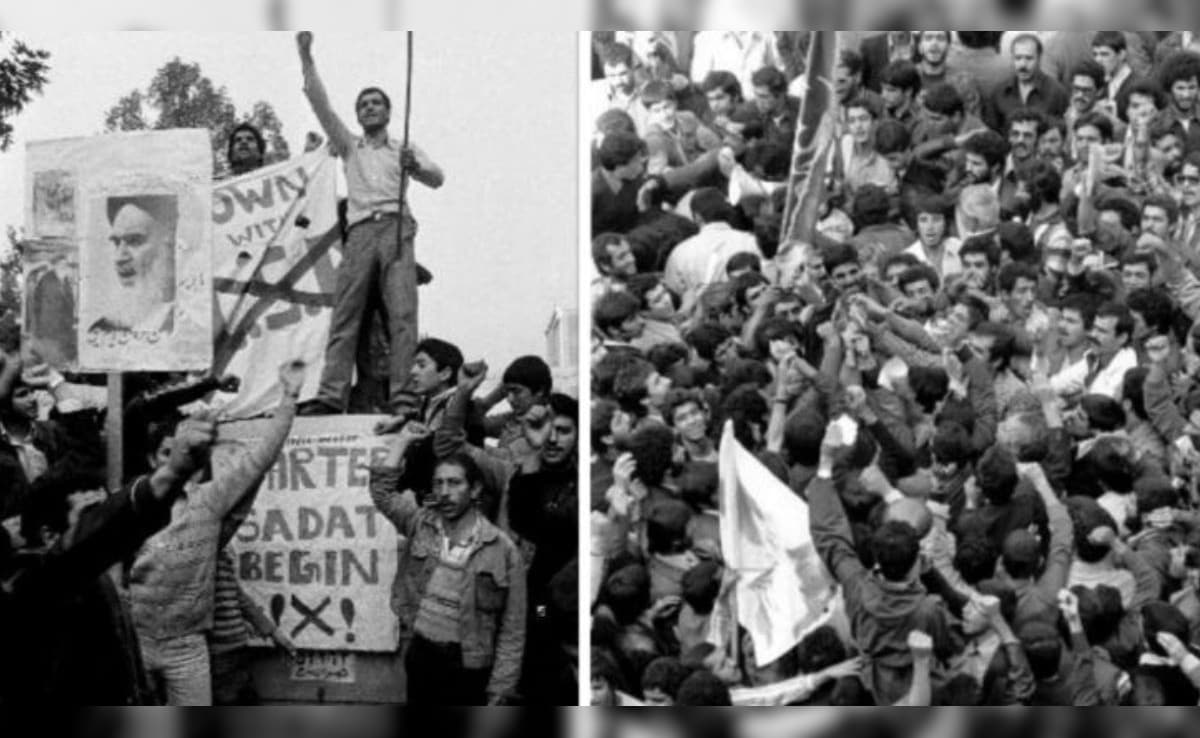
Imagine being a desk officer in Tehran in the late seventies. You’re in a city that looks more like Paris than the Middle East. Then, suddenly, thousands of students scale the walls. They aren't just protesting; they’re taking over. This wasn't a random riot. It was a calculated move by the Muslim Student Followers of the Imam's Line. They wanted the Shah back from the United States to face trial.
The U.S. had just allowed the deposed Mohammad Reza Pahlavi into the country for cancer treatment. To the revolutionaries, this looked like 1953 all over again. In '53, the CIA helped orchestrate a coup to keep the Shah in power. History matters. You can't understand the 1979 attack if you don't realize the Iranians were terrified of another American-backed regime change. They didn't just want a prisoner exchange; they wanted to humiliate a superpower they viewed as the "Great Satan."
President Jimmy Carter found himself in a nightmare. Every night, Walter Cronkite reminded the American public exactly how many days the hostages had been in captivity. It destroyed Carter’s presidency. It also birthed the modern 24-hour news cycle. Nightline literally started as a show called The Iran Crisis: America Held Hostage. The psychological toll on the American public was massive. For the first time since World War II, the U.S. felt completely powerless against a revolutionary force it didn't understand.
What Argo Got Right and What It Ignored
Pop culture is how most Americans digest history. Argo did a fantastic job showing the "Canadian Caper"—the extraction of six diplomats who evaded capture and hid at the Canadian ambassador’s residence. Tony Mendez, the CIA disguise master, was a real person. The fake movie production was a real plan. But the film ignores the sheer brutality of what was happening back at the embassy compound.
The 52 hostages who didn't get out faced mock executions. They were blindfolded and told they were about to die. They were kept in solitary confinement for weeks. While the "six" were eating dinner at the Canadian residence, the "52" were being used as political pawns in a domestic Iranian power struggle. The radicals used the hostage crisis to sideline the moderates in their own government. It worked. By the time the crisis ended, the secular, liberal elements of the Iranian revolution were crushed. The hardliners won.
The Failed Rescue and the Ghost of Desert One
We don't talk enough about Operation Eagle Claw. If you want to know why the U.S. military is so obsessed with special operations today, look at the disaster in the Iranian desert in April 1980. Eight U.S. servicemen died when a helicopter collided with a transport plane during a sandstorm. They never even made it to Tehran.
This failure led to the creation of USSOCOM (United States Special Operations Command). The military realized it couldn't do complex, multi-branch missions without a unified structure. The ghost of Desert One haunted American foreign policy for decades. It's the reason subsequent presidents were so hesitant to put "boots on the ground" in Iran. They remembered the charred remains of those helicopters.
Why We Are Still Stuck in 1979
Today’s headlines about uranium enrichment and Red Sea shipping lanes are directly tied to the Algiers Accords—the deal that finally freed the hostages in 1981. The U.S. agreed not to intervene in Iran’s internal affairs. Iran agreed to pay back debts. But the trust was gone.
Since then, the two countries have been in a "Cold War" of sorts.
- 1980s: The U.S. backed Iraq in the Iran-Iraq war.
- 1988: The USS Vincennes accidentally shot down an Iranian civilian airliner, killing 290 people.
- 2000s: The "Axis of Evil" speech and the start of the nuclear standoff.
Every time a diplomat tries to fix the relationship, someone brings up 1979. For Washington, it's the "original sin" of the Islamic Republic. For Tehran, it's the moment they finally stood up to American imperialism. Neither side is willing to let the memory go because the memory is what gives the hardliners on both sides their power.
Honestly, the "latest clash" isn't a new development. It’s the status quo. We've been in a state of plummeting ties since the first student put a foot on the embassy wall. The only thing that changes is the technology used to harass each other. Back then it was telegrams and physical barriers; now it's cyberattacks and drones.
Moving Past the History Books
If you're trying to make sense of the modern Middle East, stop looking for "logical" geopolitical moves. Look for the scars. The 1979 Embassy Attack left a scar on the American psyche that makes any deal with Iran look like a betrayal to many voters. Conversely, the Iranian government uses the "Argo" era as a foundational myth to keep their base angry and mobilized.
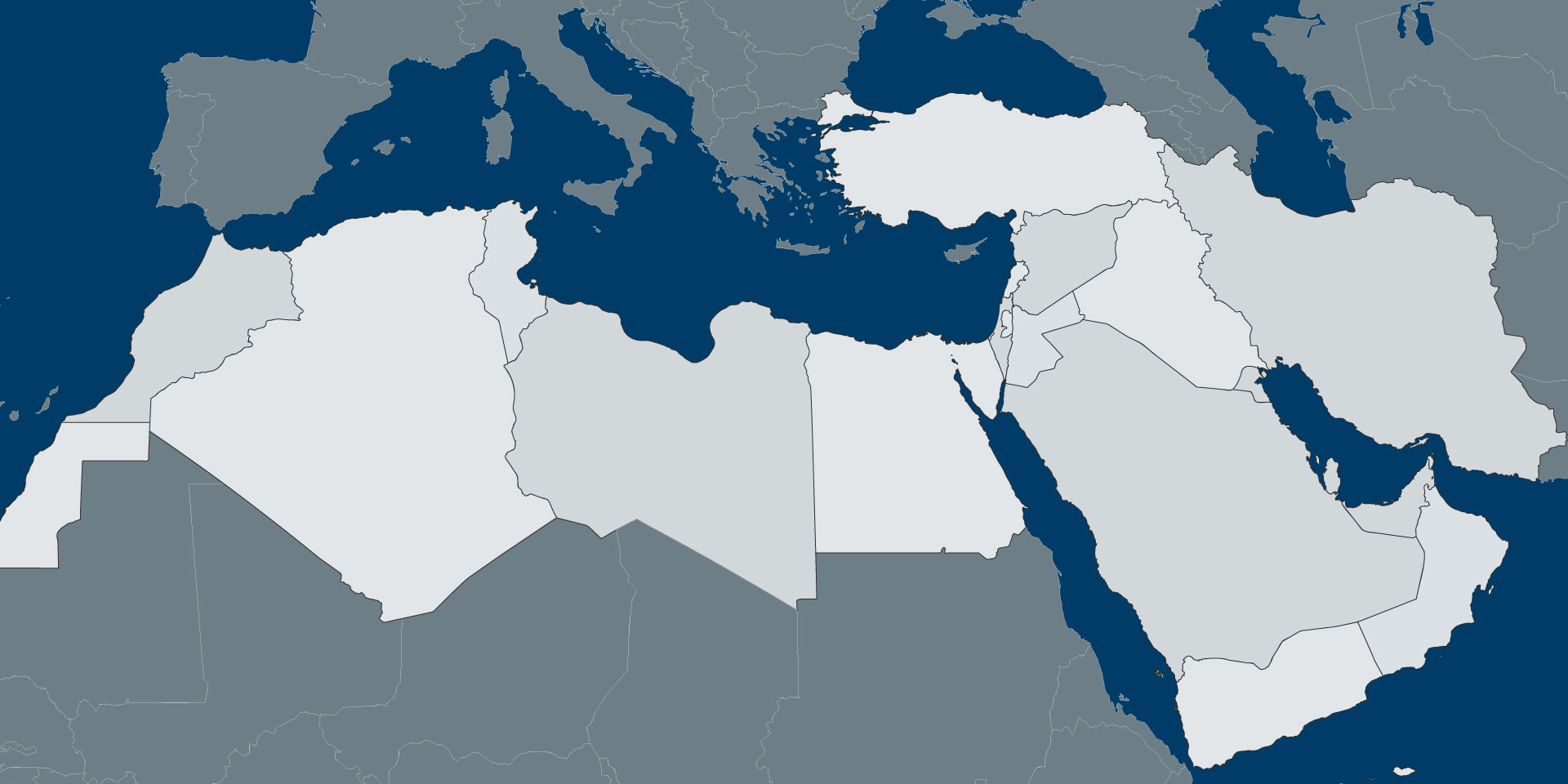
To actually understand where we're going, you need to do three things. First, read the actual transcripts of the Algiers Accords to see what was promised and what was broken. Second, look at the map of the 1953 coup to understand why Iranians were so paranoid in the first place. Third, recognize that the "Argo" story is the exception, not the rule. Most diplomatic crises don't end with a clean getaway and a Hollywood ending. They end with decades of bitterness and missed opportunities.
The next time you see a headline about US-Iran tensions, remember it's not a new fire. It’s the same one that’s been burning since '79. We just keep adding more fuel. Take a moment to look at the primary sources from the hostage negotiations. You'll see the same arguments being made today. The players change, but the script is ancient. Stop expecting a breakthrough until both sides are willing to admit that 1979 was a tragedy for everyone involved, not just a win for one side.