The prevailing narrative surrounding Iran is a graveyard of tired historical analogies. Open any mainstream op-ed and you will find the same dusty script: Munich 1938, the failure of "sitting on the sidelines," and the existential necessity of "acting now." These letters to the editor are not analysis. They are echoes of a bygone era, written by people who believe the geopolitical chessboard hasn't changed since the Cold War.
They are wrong. Dead wrong.
The "lazy consensus" suggests that historical precedent dictates a binary choice between total intervention or catastrophic appeasement. It assumes that if we do not actively squeeze or strike, we are effectively surrendering. This perspective ignores the reality of modern asymmetrical power. It ignores the fact that the most effective way to handle a regional disruptor in 2026 is not to mimic the failures of the 20th century, but to render their primary tools of influence obsolete.
The Myth of the "Sidelines"
When pundits talk about "sitting on the sidelines," they are using a sports metaphor to describe a complex, multi-dimensional conflict. There are no sidelines in a globalized economy. You are either a participant in the friction or you are the architect of a new system that bypasses it.
The old guard argues that Iran’s regional proxy network—Hezbollah, the Houthis, various militias—requires a direct, kinetic response. They claim that history shows us that "waiting" only allows the threat to grow. This is a fundamental misunderstanding of how power is projected in the current decade.
Modern influence is not about occupying territory. It is about disrupting flows—energy, data, and capital. Iran’s power doesn't come from its aging air force or its conventional navy. It comes from its ability to create friction in the Strait of Hormuz and its mastery of low-cost, high-impact drone warfare.
By focusing on "action" versus "inaction" in the traditional sense, we are playing a game of whack-a-mole that Iran is winning by default. Every dollar spent on a carrier group deployment is a win for a regime that can disrupt global trade with a $20,000 Shahed drone. The "sidelines" aren't a place of weakness; they are the only place from which you can see the whole board.
The Appeasement Fallacy
The most frequent weapon in the interventionist arsenal is the "Appeasement" label. It’s a lazy rhetorical shortcut designed to shut down debate. If you aren't for escalation, you're Neville Chamberlain.
Let’s dismantle this. 1930s Europe was a battle of industrial giants over land and resources in a world of slow communication and physical supply chains. 2026 is a battle of digital dominance, energy transition, and decentralized manufacturing.
Imagine a scenario where the West stops trying to "contain" Iran through traditional sanctions—which, by the way, have a 40-year track record of failing to change regime behavior—and instead focuses on aggressive energy independence and the decentralization of the global shipping lanes.
The real "appeasement" isn't a lack of military action. It is the continued reliance on a global energy infrastructure that gives a medium-sized power the ability to hold the world economy hostage. If you want to "act," stop buying the oil that pays for the proxies. Stop maintaining a global system that requires us to care who controls the Persian Gulf.
The High Cost of the "Action" Habit
I’ve seen governments blow billions on "stability operations" that only resulted in more chaos. The obsession with "doing something" is a cognitive bias known as action bias. In high-stakes environments, humans feel better when they are moving, even if they are moving toward a cliff.
- Sanctions are a blunt instrument: They often hurt the population while the elite finds workarounds through shadow banking and crypto-networks.
- Kinetic strikes are recruitment posters: Every missile hit is a piece of propaganda that strengthens the "resistance" narrative.
- Diplomatic theater is a stalling tactic: Both sides know the talking points. Nothing new is being said.
The true industry insider knows that the most effective move is often the one that removes the incentive for conflict entirely.
The Decentralization Solution
If we want to disrupt the Iranian threat, we need to stop thinking like generals and start thinking like systems engineers. The problem isn't the regime; the problem is the bottleneck.
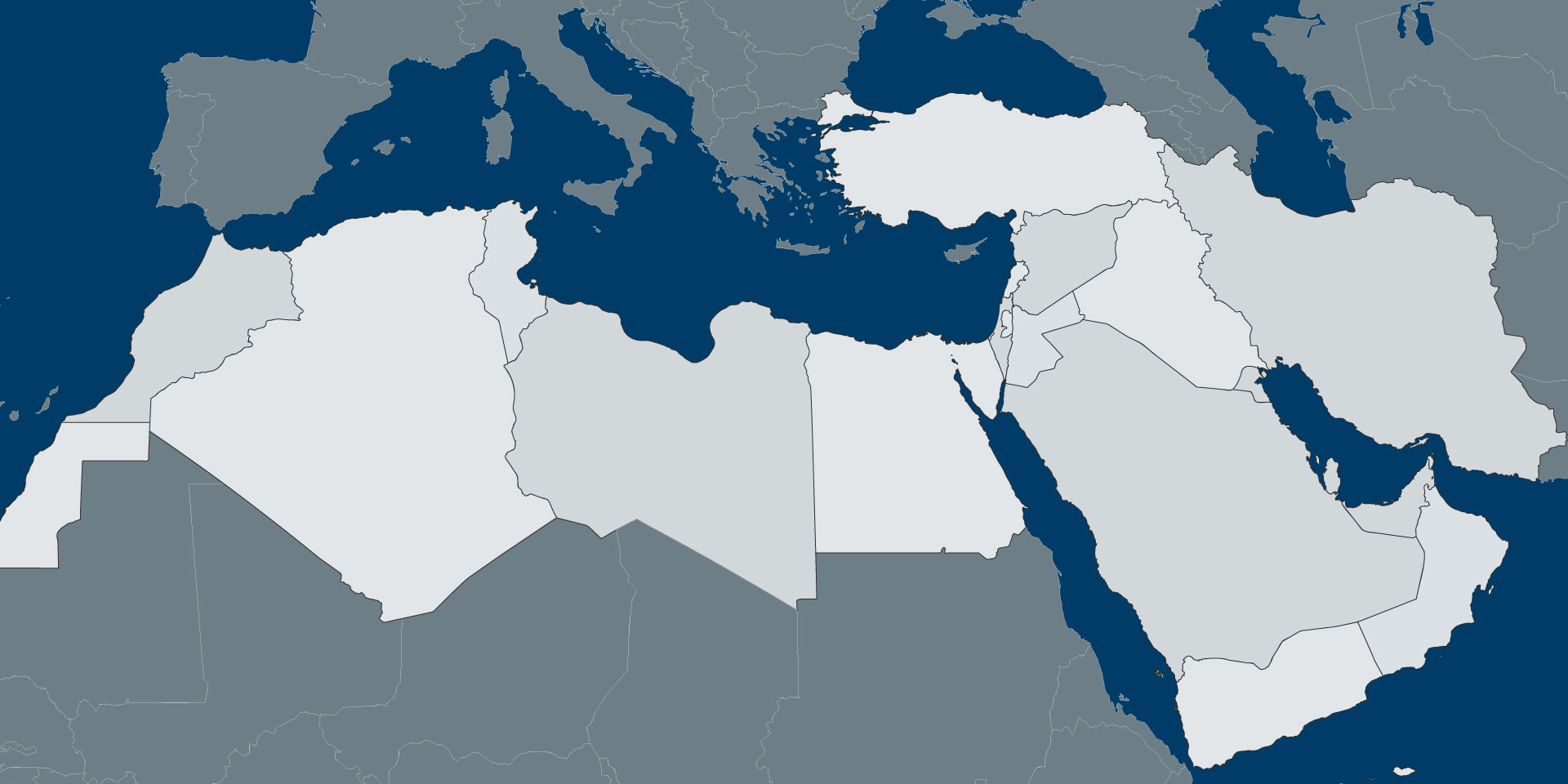
The Strait of Hormuz is a 21st-century anomaly. We allow a single geography to dictate global inflation rates. The contrarian move is not to patrol the Strait with more ships, but to make the Strait irrelevant. This involves:
- Accelerated Energy Decoupling: Every megawatt of solar, wind, or nuclear power added to the global grid reduces the leverage of the petro-states.
- Point-of-Need Manufacturing: Reducing the need for long-distance shipping by using 3D printing and localized supply chains.
- Digital Sovereignty: Protecting regional allies through cyber-defenses that make "asymmetrical" attacks too expensive for the attacker.
We are currently subsidizing our own insecurity. We pay for the oil, which pays for the disruption, which requires us to pay for the military to stop the disruption. It’s a circle of stupidity that the "history tells us" crowd wants to keep spinning.
Stop Asking "What Should We Do About Iran?"
The question itself is flawed. It centers Iran as the protagonist of the story. It assumes the world revolves around the decisions made in Tehran or the reactions to them in D.C. and London.
The right question is: "How do we build a world where the internal politics of Iran don't matter to our prosperity?"
This is the nuance the "no sidelines" argument misses. They think the only way to not be on the sidelines is to be on the field, getting tackled. I’m suggesting we build a different stadium.
The E-E-A-T Reality Check
I’ve spent two decades watching these cycles. I was there when the "intelligence" was "certain" about Iraq. I watched as sanctions were hailed as the "peaceful" alternative, only to see them create black markets that empowered the very people they were meant to weaken.
The downside to my approach? It’s slow. It doesn't provide the immediate dopamine hit of a "successful" airstrike or a "historic" signing ceremony. It requires a long-term commitment to infrastructure and technology that most political cycles can't handle. It requires admitting that we cannot control the internal evolution of a 2,500-year-old civilization through external pressure.
But the alternative—the path we are currently on—is a proven failure.
The Strategy of Irrelevance
The status quo is a trap. The "history tells us" crowd is trying to fight a war that ended decades ago. They are obsessed with a "grand bargain" or a "final confrontation."
Both are fantasies.
The only way to win is to stop playing. Not by withdrawing into isolationism, but by advancing into technical and economic independence. When the Strait of Hormuz becomes just another stretch of water, and when "proxy networks" have nothing to disrupt because the systems are decentralized and resilient, the Iranian "threat" evaporates.
Stop reading the letters to the editor from the ghosts of the 1980s. They are selling you a map to a world that no longer exists.
Build a new map. Move the game.