The air in the trading pits of 2026 doesn't smell like diesel or salt air. It smells like overpriced espresso and the sharp, ozone tang of server cooling fans. But if you look at the screen of a junior analyst in London or a logistics manager in Dubai, you can see the ghost of an older world flickering out. The numbers are doing something they haven't done in a generation. They are retreating.
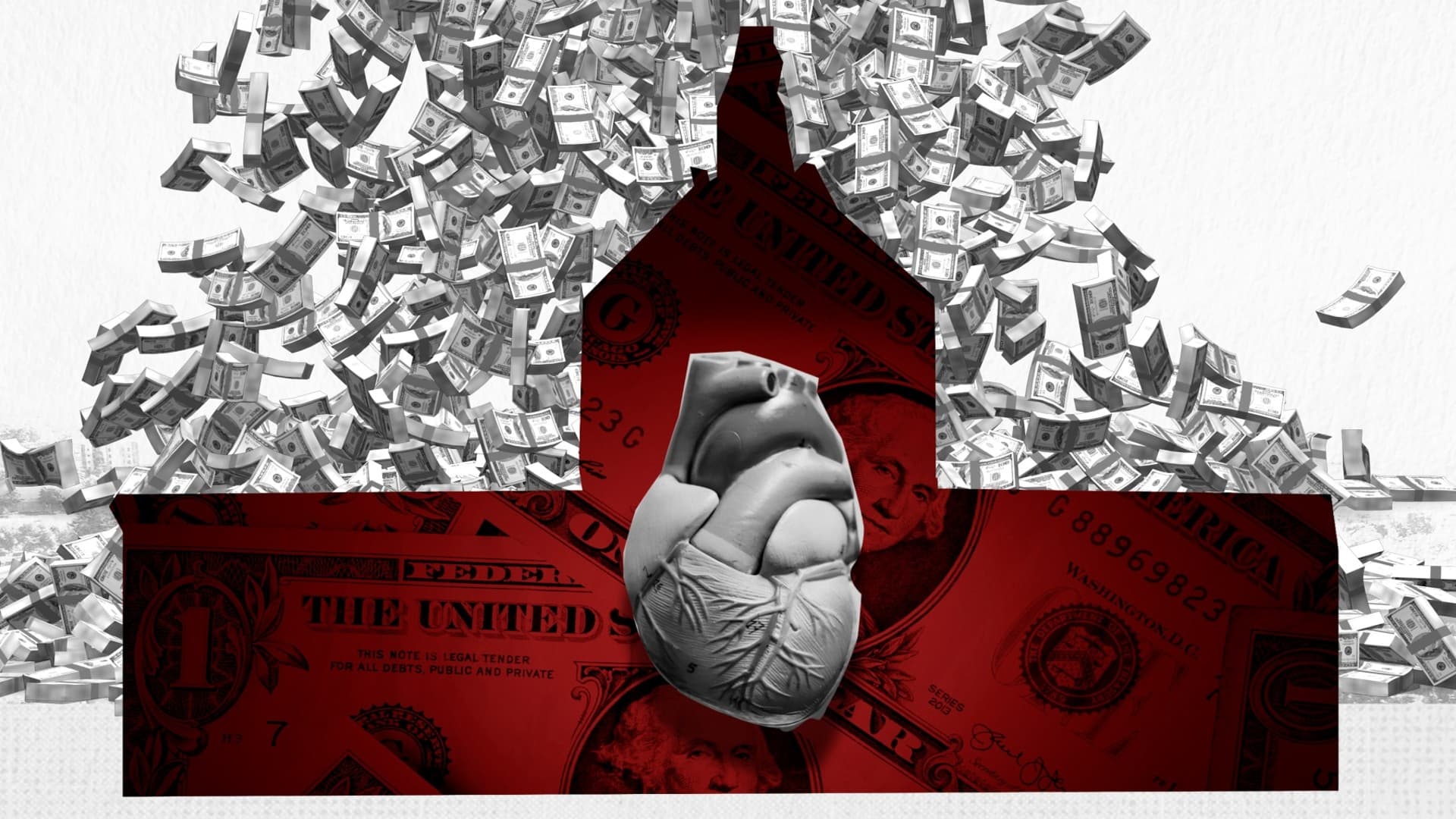
For a century, the global appetite for oil was a heartbeat. It was steady. It was predictable. It was the fundamental rhythm of modern life. We assumed that as long as there were roads to be paved and bellies to be fed, the demand would climb. But 2026 has arrived with a cold, mathematical clarity that suggests the heart is skipping beats.
The Quiet Death of a Constant
Consider a man named Elias. He is a hypothetical composite of the millions of truckers who form the connective tissue of the global economy. For twenty years, Elias has operated on a simple truth: the cost of moving a crate from point A to point B is dictated by the volatility of Brent Crude. He watches the ticker like a hawk. When the Middle East sneezes, Elias loses his margin.
But this year, something shifted. The "Supply Shock" headlines hit the wires, usually the signal for a frantic price spike that trickles down to every gallon of milk and plastic toy on the shelf. Instead, the market looked at the chaos in the Gulf and... shrugged.
This isn't just a blip. It is a structural divorce.
The global demand for oil is projected to decline this year for the first time outside of a global pandemic or a total economic collapse. We aren't in a lockdown. The world is moving. It’s just moving differently. The internal combustion engine, once the undisputed king of the asphalt, is finally facing its sunset. In 2026, the sheer volume of electric logistics vehicles and high-efficiency turbines has reached a tipping point where the "shock" of a closed pipeline no longer carries the same electrical charge of terror it once did.
The Mirage of the Middle East
For decades, the Middle East was the world’s gas station. We treated the region like a volatile but necessary neighbor. We tolerated the geopolitical tremors because we needed the flow.
Now, the supply shock isn't just about a closed valve or a regional conflict. It is about a fundamental reshaping of who holds the cards. The traditional giants are pumping into a vacuum. They are discovering that a shock only works if the victim is still tethered to the wire.
Imagine a sudden drought in a town that has just finished building a massive desalination plant. The clouds fail to break. The wells run low. The townspeople, however, simply turn a different dial. The drought is real, the "shock" is factual, but the desperation is gone. That is the oil market in 2026. The Middle East is tightening the grip on a rope that the rest of the world has already started to let go of.
The Invisible Stakes
Why does this feel so heavy? Because oil was never just a commodity. It was a proxy for power.
When demand drops, the friction of the world changes. We are seeing the dismantling of a century-long hierarchy. The "Supply Shock" of 2026 is the sound of the old guard trying to exert gravity on a world that has learned how to fly.
It’s messy. It’s frightening for the millions of people whose pensions are tied to the old energy giants. There is a human cost to this transition that isn't captured in a bar chart. There are towns in West Texas and suburbs in Riyadh where the decline of demand feels like the slow withdrawal of oxygen. You can’t tell a rig worker that "the decline is a sign of progress" and expect them to cheer. To them, the decline is a foreclosure.
But the math is indifferent to our nostalgia.
The Momentum of the New
The reason the demand is falling isn't because we are doing less. It’s because we are finally getting better at doing more with less.
Efficiency used to be a buzzword for environmentalists. In 2026, it is the survival instinct of the CFO. Shipping lanes that used to guzzle heavy fuel oil are being navigated by hybrid vessels. Factories that once relied on diesel generators are now backed by massive solid-state battery arrays.
This isn't a "game-changer." It’s a funeral.
The funeral of the idea that we are forever beholden to the prehistoric remains of fermented plankton. We are watching the decoupling of human prosperity from carbon intensity. It is a slow, grinding, and often painful divorce, but the papers have been signed.
The Ghost in the Ticker
The real story of 2026 isn't the shock itself. It’s the silence that followed.
When the supply was threatened and the prices didn't moon-shot, the world realized the spell was broken. We are entering an era where the "Middle East Supply Shock" is a historical footnote rather than a daily anxiety.
Elias, our trucker, pulls his rig into a charging station outside of Rotterdam. He doesn't check the price of oil. He checks the price per kilowatt-hour. He looks at the horizon, where the old refineries used to flare their gas into the night sky, and he sees only the blinking red lights of wind turbines.
The spigots are still there. The oil is still in the ground. But the world has simply lost its taste for the vintage. The era of oil didn't end because we ran out of it. It ended because we finally grew up.
The sun sets over the Persian Gulf, casting long, amber shadows over idle tankers. They sit low in the water, heavy with a cargo that the world is slowly forgetting how to need.