Wall Street just got a massive wake-up call. If you thought the fight against rising prices was over, the latest Producer Price Index (PPI) data for January is here to tell you otherwise. Wholesale prices didn't just edge up; they jumped 0.3% for the month. But the real kicker is the core PPI—which strips out the volatile stuff like food and energy. That number spiked 0.8%, nearly quadruple what analysts were looking for.
This isn't just a rounding error. It’s a loud, clear signal that the "last mile" of bringing inflation down to the Federal Reserve’s 2% target is going to be a total grind. When the cost of doing business goes up for wholesalers, those costs eventually find their way to your receipt at the grocery store or the price tag on your next laptop. Companies don't just eat these costs. They pass them on.
Why Core Wholesale Prices Are Rising So Fast
Most people look at the headline number and move on. That's a mistake. The headline figure was actually dragged down by a 1.7% drop in energy prices. If gas and electricity hadn't gotten cheaper, we’d be looking at an even scarier situation. The real story lives in the services sector.
Services jumped 0.6% in January. We're talking about hospital outpatient care, investment advice, and wholesaling of chemicals. Hospital care costs alone rose 0.1%, but other medical categories saw much steeper climbs. This matters because service-related inflation is historically "sticky." It’s much harder to bring down than the price of a gallon of milk or a barrel of oil.
The Labor Department's report shows that the 0.8% core increase is the largest monthly gain we've seen in about a year. It basically erases the narrative that inflation is on a smooth, one-way track to zero. It’s bumpy. It’s messy. And right now, it’s trending the wrong way for anyone hoping for a series of quick interest rate cuts.
The Federal Reserve is Now in a Tight Spot
For months, the market has been pricing in a reality where the Fed starts hacking away at interest rates by early spring. This January PPI report effectively pours cold water on those dreams. Jerome Powell and the rest of the board have been saying they need "greater confidence" that inflation is moving sustainably toward 2%. This data gives them the exact opposite of confidence.
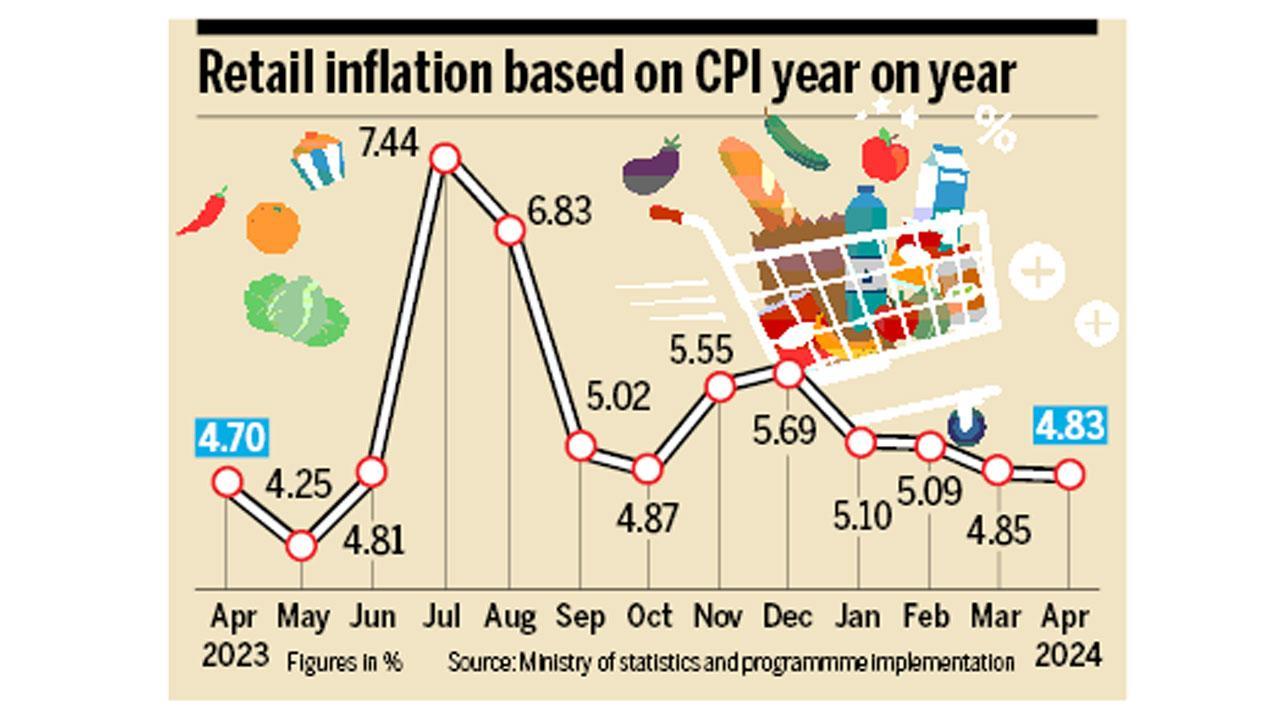
If you look at the Consumer Price Index (CPI) data that came out earlier this week, a pattern emerges. Both reports show that inflation is proving more resilient than the "transitory" crowd ever wanted to admit. The Fed is now looking at a labor market that remains strong and wholesale prices that are heating up. There's almost no incentive for them to cut rates in March. Honestly, even May is looking like a long shot now.
High rates are a blunt instrument. They're designed to break things to slow down the economy. But if the economy refuses to slow down and prices keep climbing at the wholesale level, the Fed might have to keep rates "higher for longer" than anyone anticipated. That’s bad news for mortgage seekers, small business owners looking for credit, and anyone with a balance on a credit card.
What This Means for Your Portfolio
Investors hate uncertainty, but they hate persistent inflation even more. The immediate reaction in the bond market was a spike in Treasury yields. When the PPI data hit, the 10-year Treasury note yield climbed as investors realized the "easy money" era isn't returning anytime soon.
Stocks often struggle in this environment because higher wholesale costs squeeze profit margins. If a manufacturer has to pay 0.8% more for its inputs but can't raise prices on customers fast enough, that money comes straight out of their bottom line. We're seeing a shift where "growth" stocks—the ones that rely on future earnings—become much less attractive compared to "value" stocks that have solid cash flow right now.
You should be looking closely at companies with high "pricing power." These are the firms that can raise prices by 1% or 2% without losing their customer base. Think of essential software, healthcare providers, or dominant consumer brands. If a company can't pass on these wholesale spikes, their stock is likely going to underperform for the rest of the year.
The Breakdown of January Costs
- Services: Up 0.6%, driven by a massive 2.2% increase in hospital outpatient care.
- Goods: Down 0.2%, mostly because energy prices took a dive.
- Core Goods (Excluding Food and Energy): Up 0.3%, showing that even physical products are getting pricier to produce.
The Misconception About Falling Energy Prices
It's easy to get lulled into a false sense of security when you see the "Headline PPI" looks manageable. But relying on cheap energy to mask inflation in the rest of the economy is a dangerous game. Energy prices are volatile. A single geopolitical hiccup in the Middle East or a production cut from OPEC+ can send those numbers screaming back upward.
If energy prices normalize while services stay at this 0.6% monthly growth rate, we aren't just looking at 3% inflation. We could be looking at a re-acceleration. That’s the nightmare scenario for the Fed. They don't want to be the ones who cut rates too early, only to watch inflation spiral back out of control like it did in the 1970s.
Small Businesses are Feeling the Squeeze First
While big corporations have the scale to negotiate, small business owners are the ones getting hit by these January numbers immediately. When wholesale costs for chemicals or professional services jump, a small firm feels that impact on their next invoice.
Most small businesses are already dealing with higher labor costs. Adding a 0.8% core wholesale price jump on top of that is a recipe for a margin squeeze. You'll likely see more "surcharge" fees or smaller portions as businesses try to survive without officially raising their "base" prices. It’s a stealthy way inflation eats away at your purchasing power.
Action Steps for the Current Economic Climate
Don't wait for the Fed to tell you things are getting expensive. You can see it in the data right now. If you're managing a portfolio or a household budget, it's time to get defensive.
First, look at your debt. If you have variable-rate loans, try to lock in a fixed rate or pay them down aggressively. The hope for a 1% or 2% drop in rates this year is effectively dead. Second, check your exposure to sectors that are vulnerable to "sticky" inflation. Retailers with thin margins are going to have a rough few quarters.
Finally, keep an eye on the Personal Consumption Expenditures (PCE) price index coming out later this month. That’s the Fed’s favorite metric. If it echoes what we just saw in the PPI and CPI reports, the "higher for longer" era is officially here to stay. Rebalance your expectations. The road back to 2% is looking a lot longer and a lot steeper than it did a month ago.