Washington has a habit of looking at Iran and seeing a monolith. We treat it like a simple machine where if you pull the "sanctions" lever or the "military strike" lever, you get a predictable result. But as we've seen from the chaotic opening of 2026, that's not just a mistake—it's a dangerous delusion.
By misreading the internal power dynamics of the Islamic Republic, the U.S. has sleepwalked into a regional escalation that's currently sending Brent crude toward $80 a barrel. If the current trajectory holds, we aren't just looking at a "regional conflict." We're looking at a global economic shock that could put the 1970s to shame.
The Myth of the Fragile Regime
For years, the narrative in D.C. has been that the Iranian government is a house of cards. One more push, one more round of protests, one more targeted strike on a nuclear facility, and the whole thing collapses.
Honestly, that's wishful thinking posing as strategy. What former diplomats and on-the-ground analysts realize—and what the current administration seems to ignore—is that the Iranian state is built for siege. It doesn't function like a Western democracy, and it doesn't even function like a standard autocracy. It's a complex, redundant system of overlapping power centers.
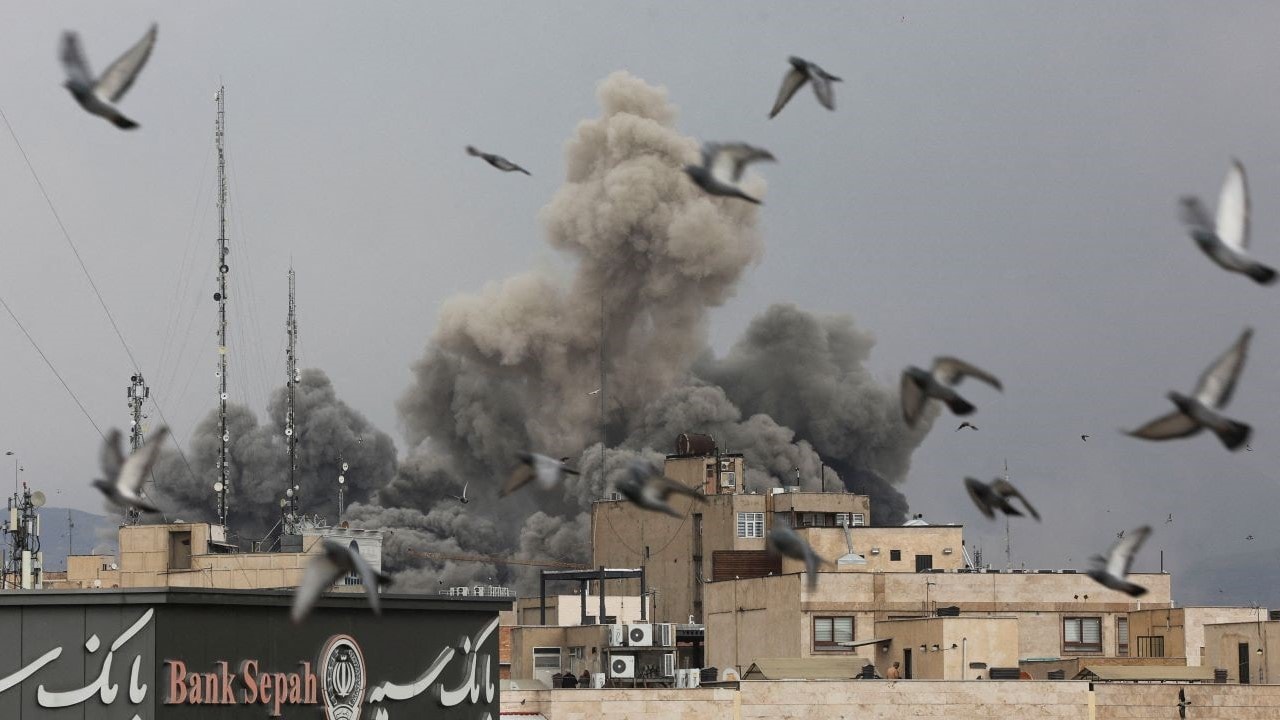
When the U.S. and Israel launched strikes in June 2025, the expectation was a "death blow." Instead, the system did what it does best: it adapted. The Islamic Revolutionary Guard Corps (IRGC) didn't crumble; it dug in. The "Axis of Resistance" didn't evaporate; it shifted tactics toward asymmetric, "gray zone" warfare that's harder to track and even harder to stop.
The 2026 Power Shift You Haven't Heard About
While the headlines focus on drones and missiles, the real story is the internal reshuffle in Tehran. Since August 2025, we’ve seen the return of "fixer" figures like Ali Shamkhani to the National Defense Council.
This isn't just a personnel change. It's a strategic reversal. The system is moving from a defensive posture to what it calls "armed negotiations."
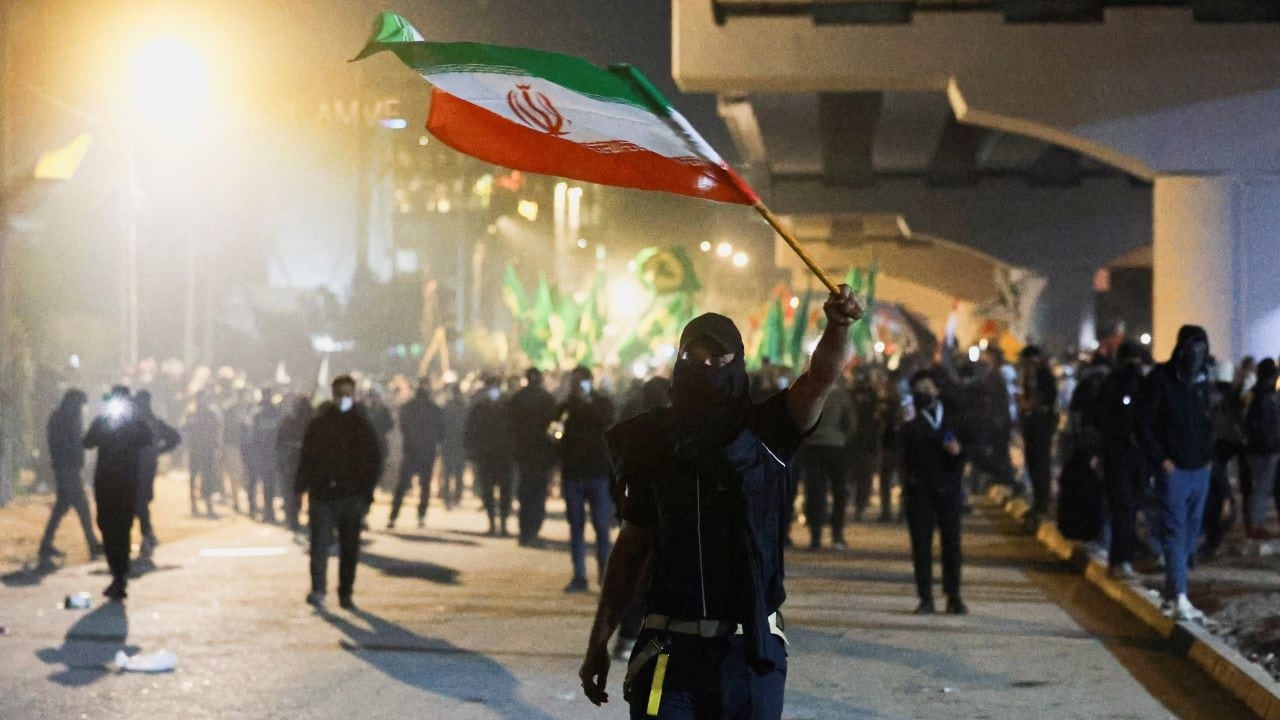
The U.S. and its allies are betting that Iran will buckle under the weight of its own economic failure. With the 2026 inflation rate hovering near 60% and widespread social unrest, it's a tempting theory. But history—and current intelligence—suggests otherwise.
Why the "Siege State" Won't Fold
- Redundant Security: The IRGC and the Basij are woven into every facet of Iranian life and the economy. They aren't just soldiers; they're the state.
- The "Succession Crisis" Illusion: We've been talking about the Supreme Leader's succession for a decade. The transition process is already being managed by an elite network that prioritizes continuity over change.
- The Survival Instinct: In 2025, Iran's regional military position deteriorated after its ally in Syria fled and Hamas was forced to disarm. But the Iranian leadership is internalizing these losses as proof they can survive anything.
The $100 Per Barrel Nightmare
If the U.S. continues to push for "regime change" without understanding these dynamics, the first casualty won't be the Iranian government—it'll be the global economy.
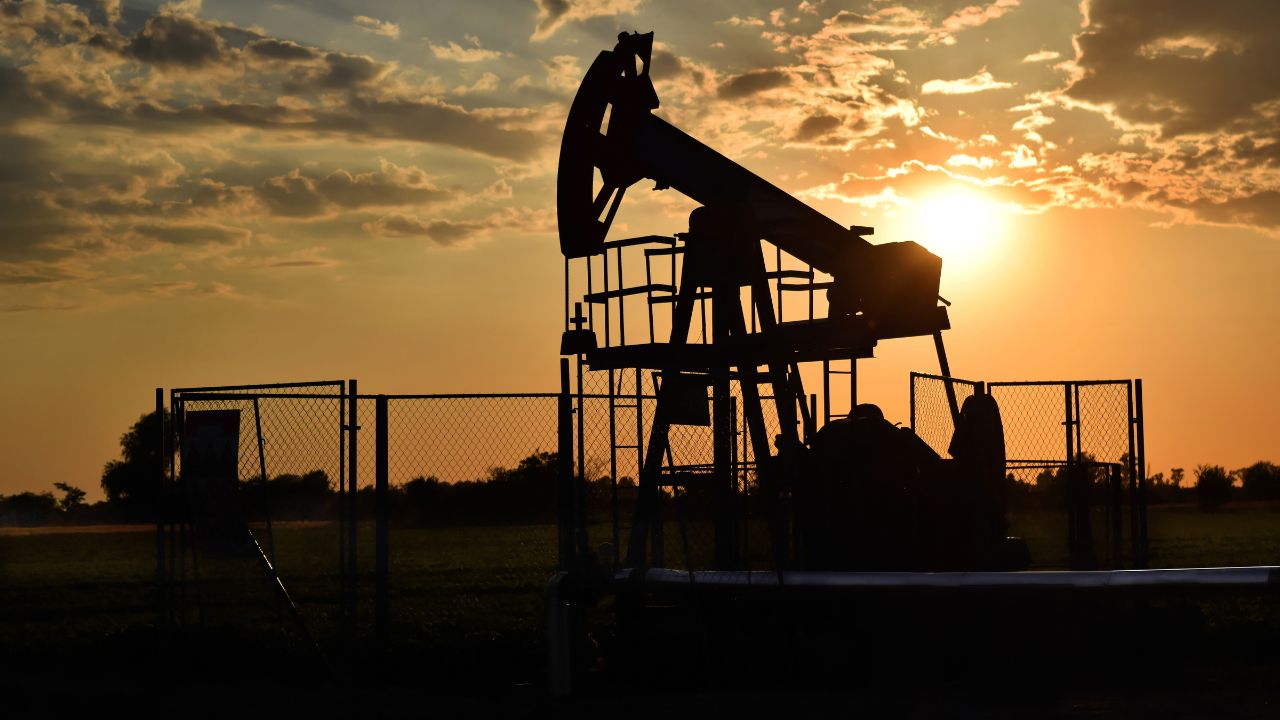
As of March 2, 2026, Brent crude is jumping over the weekend from $70 to nearly $80 a barrel. Why? Because the Strait of Hormuz isn't just a geographical choke point; it's a psychological one.
The IRGC knows that even a perceived threat to shipping can send insurance costs for tankers through the roof. We're already seeing intraday volatility with WTI crude reaching $75.33 per barrel—a 12% single-day gain.
If we see a prolonged closure of the Strait, analysts at organizations like the CSIS and major investment firms warn that $120 oil isn't just a possibility; it's a certainty. At that point, global growth doesn't just slow down; it could tip into a full-scale recession.
What the Experts are Saying
- Darwei Kung (DWS): "OPEC's spare capacity is roughly half of Iran's total output." Any decrease in Iranian supply can't be easily replaced.
- Joseph Lupton (JPMorgan): "A military war, layered on top of the ongoing U.S. 'war on trade,' could reignite concerns over global stability."
- Tamsin Hunt (S-RM): "Closing the strait in full would be devastating for Iran's own economy," but Tehran has shown it's willing to commit economic suicide if it means taking its enemies down with it.
The Miscalculation Nobody is Talking About
The biggest mistake the U.S. makes is assuming that "maximalist" demands—like giving up all enrichment and ballistic missiles—will force a settlement.
It’s actually the opposite. These demands leave the Iranian leadership with nothing to lose. For a true diplomatic breakthrough to occur, you need to offer credible sanctions relief in exchange for intrusive oversight.
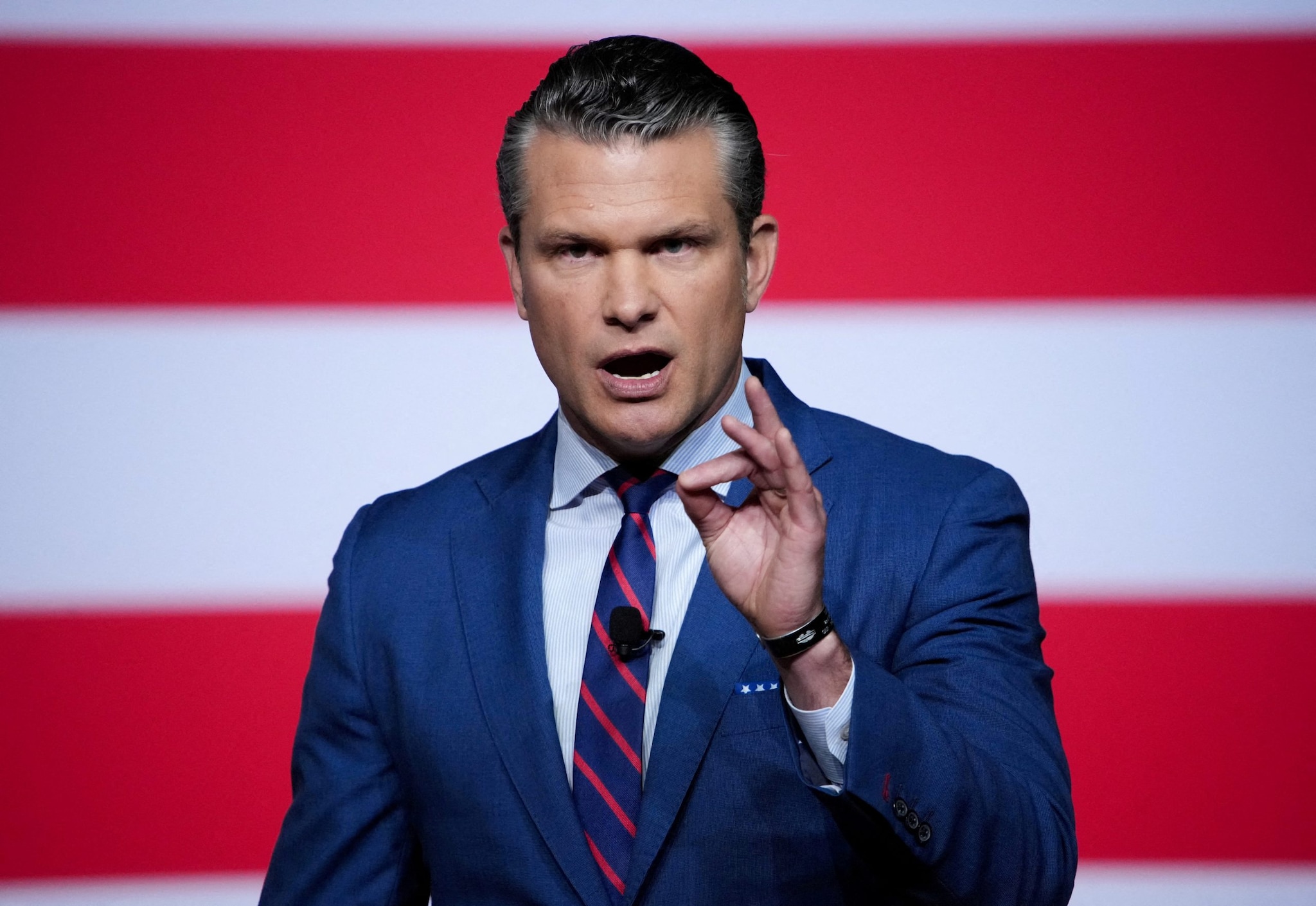
The Trump administration’s current approach is "pressure-for-submission." It’s an old playbook that hasn’t worked for forty years. It’s not going to start working in 2026.
The Next Moves You Can Actually Use
If you're an investor, a business owner, or just someone trying to figure out why gas is suddenly $5 a gallon, here’s the reality: we're in for a "volatile 2026."
Stop looking for a quick resolution. This is a multi-layered conflict with deep historical roots and a very complex power structure.
What You Should Watch For:
- Oil Price Dynamics: Look for Brent crude crossing the $85 mark. If it stays there for more than a week, expect a significant impact on global inflation and interest rate expectations.
- Strait of Hormuz Traffic: Monitor reports of "prohibited passage" or attacks on tankers. Even small-scale harassment by the IRGC is a signal of escalation.
- Internal Iranian Defections: Don't get distracted by street protests. Unless you see high-level defections from the IRGC or the clerical elite, the regime isn't going anywhere.
The West needs to stop reading its own press releases about "regime change" and start understanding the reality of a system designed to survive under pressure. Anything less is a recipe for a 2026 that nobody can afford.