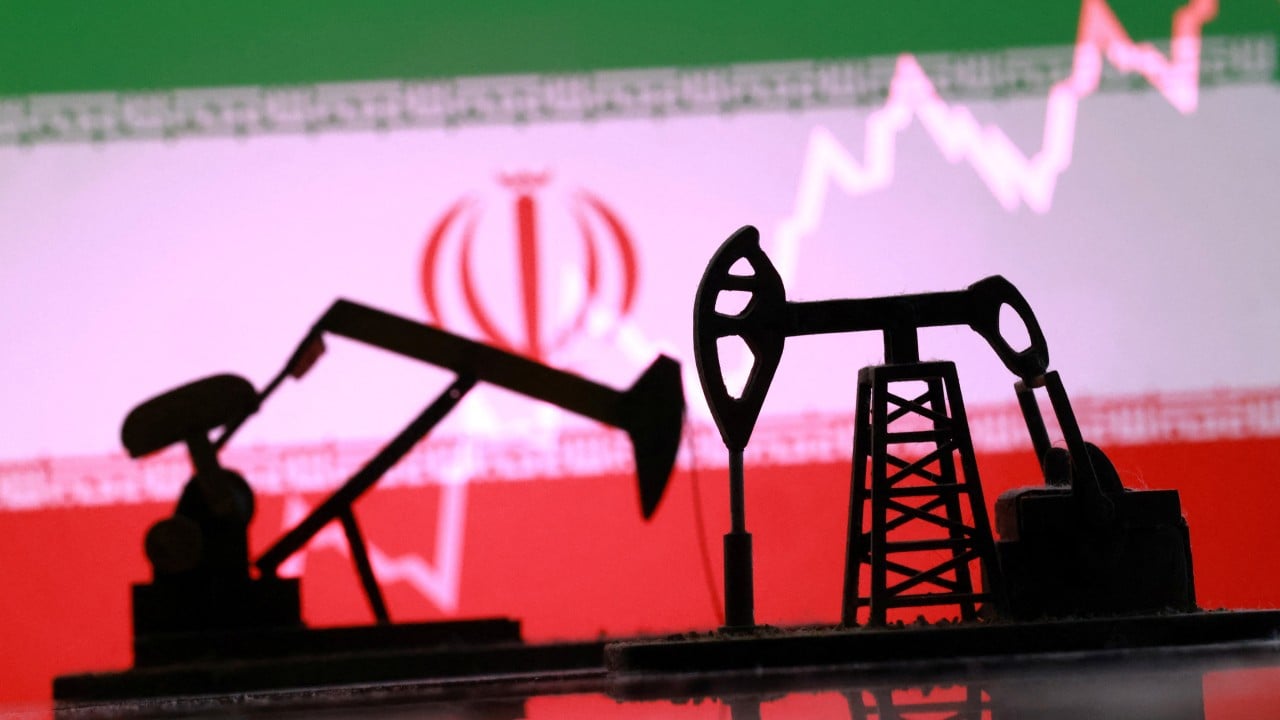
The lazy consensus among geopolitical analysts is a comforting fairy tale. It suggests that if the Strait of Hormuz turns into a shooting gallery, China will simply hit the gas on its "green transition" to escape the oil trap. They argue that energy insecurity is the ultimate catalyst for renewables.
They are dead wrong.
A full-scale regional war involving the US and Iran won't trigger a solar-powered utopia in Beijing. It will trigger a desperate, soot-stained retreat to the only energy source that actually offers China true sovereign security: coal.
I have spent years watching energy desks react to price shocks. When the lights flicker, the "carbon neutral" slide deck goes into the shredder. If you think China is going to build enough wind turbines in the middle of a global supply chain collapse to offset a loss of four million barrels of daily crude imports, you don't understand the physics of a power grid.
The Infrastructure Delusion
The premise that conflict accelerates decarbonization assumes that "green energy" is a standalone solution. It isn't. It is a luxury product of a stable, globalized economy.
Solar panels and lithium-ion batteries require a hyper-complex, peaceful global trade network to exist. You need silver from Peru, cobalt from the DRC, and high-purity silicon. When a US-Iran war breaks out, insurance premiums for cargo ships don't just go up; routes disappear. The very components needed to "speed up" the green transition become stranded in a broken logistics chain.
China knows this. While the West cheers on China’s record-breaking solar installs, they ignore the permit data for new coal-fired power plants. In 2023, China’s coal power capacity started or was permitted at a rate of two plants per week. That isn't a "backup plan." That is the plan.
In a war scenario, the "green transition" is a liability. You cannot defend a nation on intermittent energy.
The Energy Density Trap
Let’s talk about the math that the "green transition" crowd ignores. Crude oil has an energy density of roughly 46 MJ/kg. Lithium-ion batteries sit at about 0.5 to 1.0 MJ/kg.
If the Middle East burns, China loses roughly 40% of its oil imports. To replace that energy via electrification would require a build-out of the electrical grid that is physically impossible to achieve on a wartime footing.
- Scenario: Total blockage of the Strait of Hormuz.
- Impact: Oil prices hit $150-$200 per barrel.
- Reflexive Action: China doesn't buy more EVs. China rations electricity to factories and diverts every spare watt to the military and basic heating.
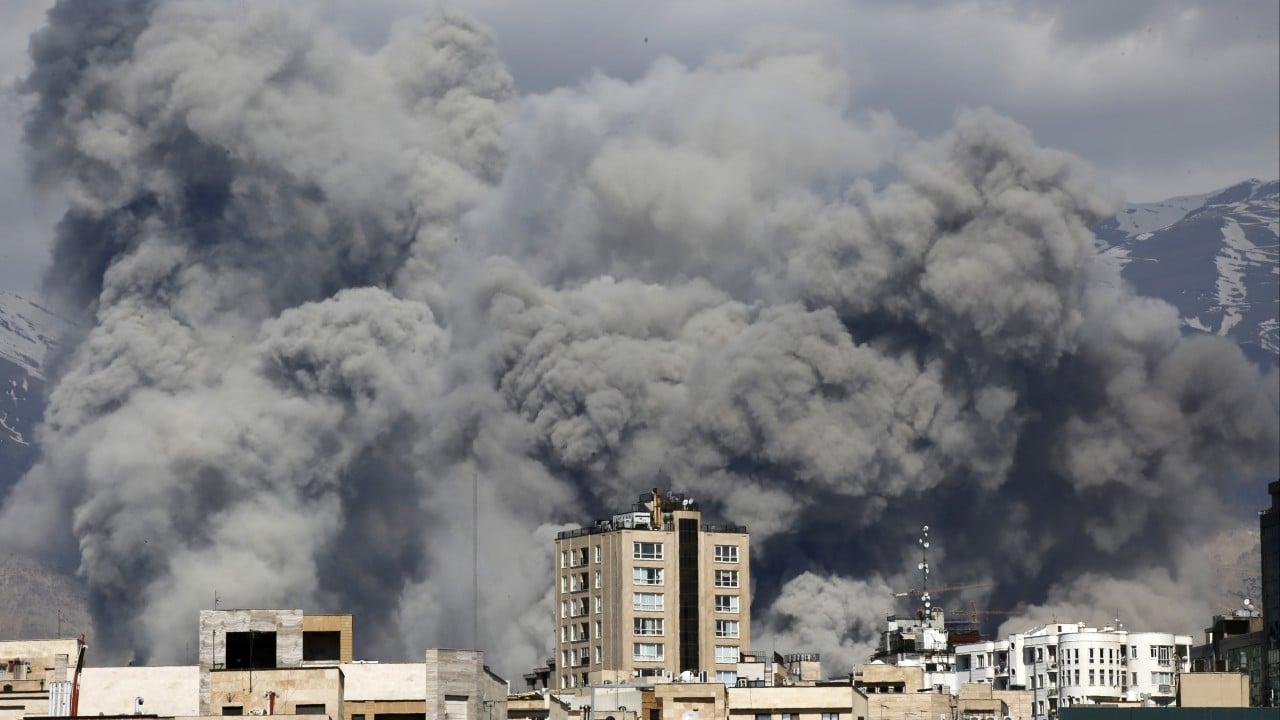
In this environment, the priority isn't "lowering emissions." It’s "avoiding a revolution." The CCP’s social contract is built on growth and stability. High energy costs are a poison pill for that contract. When the oil stops flowing, Beijing will burn anything that catches fire to keep the factories running. That means coal, and lots of it.
The Myth of the Strategic Petroleum Reserve
Pundits love to point to China’s Strategic Petroleum Reserve (SPR) as a cushion. It’s a band-aid for a gunshot wound. Current estimates suggest China has roughly 90 days of net import cover.
Ninety days is a blink of an eye in a modern conflict. If a US-Iran war drags into a multi-year regional quagmire—which, looking at the history of the region, is the only way it goes—China’s SPR becomes irrelevant by month four.
At that point, the "transition" isn't to green energy. It's to coal-to-liquids (CTL) technology. China is the world leader in converting coal into synthetic fuel. It is an expensive, environmentally disastrous process that produces roughly double the $CO_2$ of traditional refining. But it uses domestic coal.
If you are a Chinese general, do you want a fleet of tanks dependent on a solar-powered grid that might be hacked or bombed, or do you want synthetic diesel made from a mountain of coal sitting in Inner Mongolia?
Why "People Also Ask" Is Asking the Wrong Questions
People ask: "Will China lead the world in green energy if oil prices spike?"
The answer is no. They will lead the world in surviving the spike.
People ask: "Does China’s dominance in battery manufacturing protect them from oil shocks?"
No. You can’t eat batteries, and you can’t run a massive agricultural sector or a global shipping fleet on them yet.
The fundamental error is treating "green energy" as an alternative to oil. In reality, green energy is an extension of the fossil fuel system. You need oil to mine the minerals, gas to smelt the aluminum, and coal to manufacture the glass for the panels. When the base layer—fossil fuels—becomes volatile and prohibitively expensive, the cost of "going green" skyrockets.
The Geopolitical Irony
There is a delicious irony here that the mainstream media misses. The more the US pressures Iran, and the more the Middle East destabilizes, the more the US inadvertently forces China to double down on its most polluting industries.
If the US wants to slow China’s economic rise, an energy shock is an effective tool. But if the goal is global decarbonization, a war with Iran is the ultimate setback. You cannot have a "green" China and a "warring" Middle East at the same time.
China’s current "green" leadership is a product of a low-interest-rate, high-stability world. Take that away, and they return to the 19th-century energy model that they know works: digging black rocks out of the ground.
The Hard Truth About Sovereign Security
I have consulted for firms that lost nine figures betting on the "inevitable" move away from coal. They fell for the PR. China's "dual carbon" goals are aspirational. Their "energy security" goals are existential.
When those two conflict—and a war in the Persian Gulf makes them collide at high speed—security wins every single time.
Stop looking at the shiny blue solar farms in Qinghai. Look at the rail lines coming out of the Shanxi coal mines. That is where China’s real energy strategy lives. If the missiles start flying in the Gulf, the sky over Beijing won't be getting any clearer. It’s going to get much, much darker.
The green transition isn't a shield against war. It’s the first casualty of it.
Order the coal. The wind isn't going to save you.