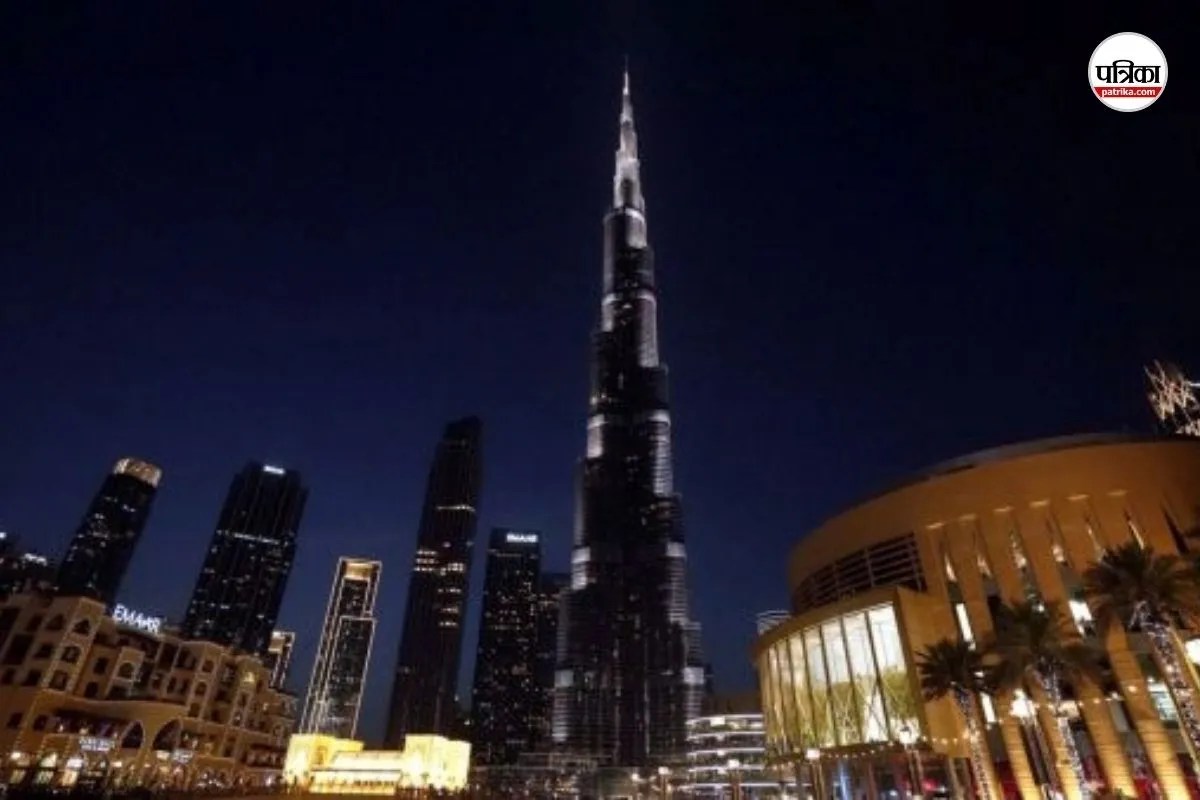
The Middle East is holding its breath. It’s not just a cliché anymore; it’s the daily reality for millions in the Gulf. When Iranian missiles recently streaked across the sky toward Israel, the shockwaves didn't just hit Tel Aviv. They rattled the glass towers of Dubai and the oil refineries of Abu Dhabi. The United Arab Emirates (UAE) is in a bind. They’ve spent decades building a global hub for luxury and finance, but that entire facade depends on one thing: regional stability. Now, that stability is a memory.
The UAE’s recent "plea for peace" isn't just about being a good neighbor. It’s about survival. You have to understand that the UAE occupies a precarious middle ground. They’ve normalized relations with Israel through the Abraham Accords, yet they sit just across the Persian Gulf from Iran. If a full-scale war breaks out, they’re the front line. The fear in the Emirates isn't just about a stray missile; it's about the collapse of an entire economic model built on the idea that the Middle East is safe for business.
Why the UAE is Terrified of an Iran Israel Escalation
Money talks, and right now, it's screaming. The UAE has spent billions to position itself as the world's safe haven. Think about it. You don't move your hedge fund to Dubai if you think a drone might fly through your office window. The moment Iran launched its barrage, that "safe haven" status took a hit.
The UAE government’s urgent appeal for "maximum restraint" isn't a suggestion. It’s a desperate attempt to keep the sky from falling. They know that Benjamin Netanyahu and the Iranian leadership are playing a game of chicken where the UAE is the road. If Israel decides to use UAE airspace or if Iran decides to punish Israel’s regional partners, the Emirates could see their ports closed and their tourism industry vanish overnight.
International shipping is already a mess. The Strait of Hormuz is right there. It’s the world’s most important oil chokepoint. Iran has shown it can harass or seize tankers whenever it feels squeezed. For the UAE, a closed Strait means no exports and no imports. It’s an existential threat. They can't afford a war, and they certainly can't afford to be seen as a launchpad for Israeli or American strikes against Tehran.
The Abraham Accords Under Fire
Let’s be real. The Abraham Accords were supposed to bring a "New Middle East." The idea was that economic ties would make war unthinkable. That theory is currently being tested to its breaking point. While the UAE remains committed to the accords on paper, the optics are getting ugly.
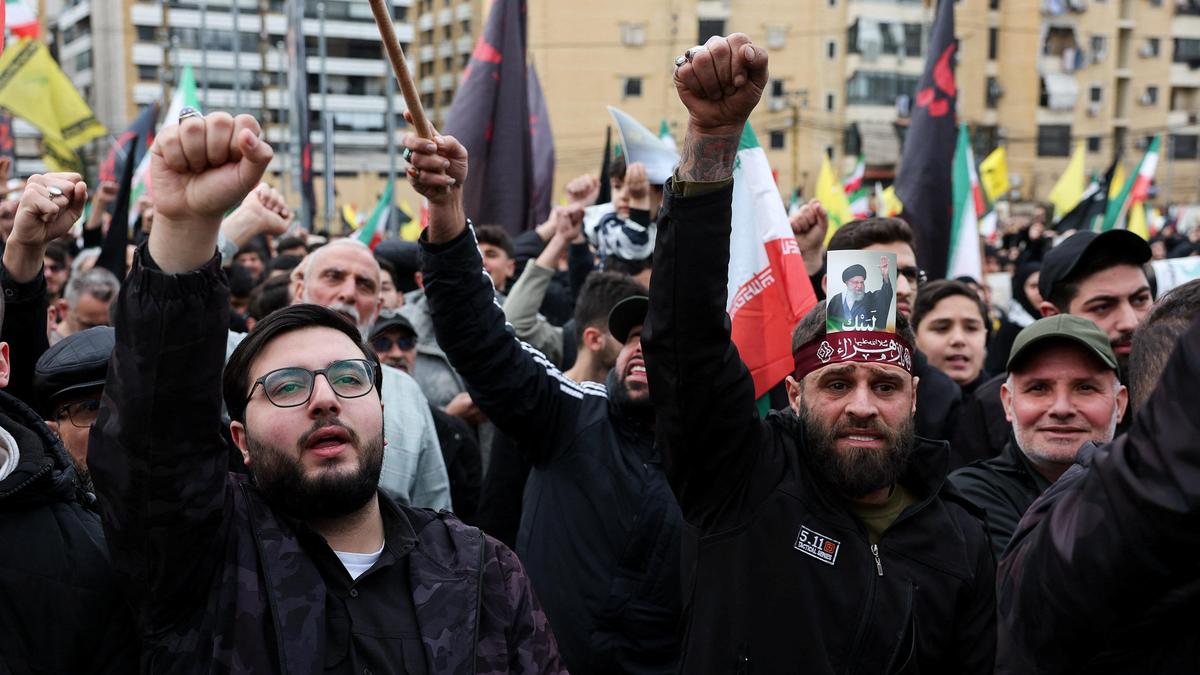
The Emirati public, and the wider Arab world, is watching the destruction in Gaza and the strikes in Lebanon with growing anger. Every time a high-ranking Iranian official is assassinated and Iran retaliates, the pressure on Abu Dhabi grows. They’re being asked: whose side are you on?
Staying neutral is getting harder. If the UAE helps intercept Iranian drones (as some reports suggested happened in previous rounds), they risk the wrath of Tehran. If they don't, they alienate their new security partner, Israel, and their old protector, the United States. It’s a tightrope walk over a volcano. The UAE is essentially trying to be friends with everyone while everyone else is trying to kill each other.
Direct Impact on Trade and Tourism
Dubai International Airport is the busiest in the world for international passengers. It’s a massive engine for the UAE economy. During the recent Iranian strikes, flight paths had to be rerouted. Some flights were canceled. This isn't just a minor inconvenience.
- Insurance Premiums: Shipping and aviation insurance rates for the Gulf are spiking. This adds a "war tax" to every single product coming into the country.
- Foreign Investment: Investors hate uncertainty. If the conflict drags on or intensifies, the flow of "hot money" into Dubai real estate could dry up.
- Energy Security: While the UAE is an oil producer, its infrastructure is vulnerable to cyberattacks and physical sabotage.
I’ve talked to business owners in the region who are quietly moving some of their liquid assets to Singapore or London. They aren't leaving yet, but they’re packing an "emergency bag." That’s the psychological damage of this conflict. Once the feeling of safety is gone, it’s incredibly hard to get back.
What Happens if Diplomacy Fails
The UAE is pushing for a ceasefire in Gaza because they know it’s the primary "off-ramp" for the entire region. Without it, Iran’s proxies—from the Houthis in Yemen to Hezbollah in Lebanon—will keep the pressure on. The Houthis have already proven they can hit targets in Abu Dhabi. They did it in 2022. The memory of those drone strikes on fuel trucks still haunts the Emirati security establishment.
The UAE is using its seat on the global stage to scream for de-escalation because they have the most to lose. They don't have the strategic depth of Saudi Arabia or the isolation of Oman. They are a small, highly developed target. Their "big appeal" for peace is actually a defense mechanism.
Moving Forward in a War Zone
If you’re watching this from the outside, don't mistake the UAE's diplomatic language for weakness. It’s calculated. They are frantically talking to Tehran behind the scenes while maintaining their ties with the West. They are trying to prove they can be a mediator, but mediators only work when both sides want to stop fighting. Right now, neither Israel nor Iran seems interested in hitting the brakes.
The immediate priority for anyone with interests in the region is diversification. The UAE is already doing this by pivoting even harder toward AI and tech, trying to make themselves "too important to fail." But technology doesn't stop a ballistic missile.
Keep a close eye on the maritime security updates and the flight paths over the Gulf. If you see major airlines starting to bypass the Persian Gulf entirely, you’ll know the UAE’s diplomatic efforts have failed. For now, the best move is to monitor the de-escalation talks in Doha and Cairo. That’s where the real temperature of the UAE’s future is being taken. Stay informed on regional shipping notices and keep your assets mobile. The "New Middle East" is currently on fire, and the UAE is just trying to make sure their house doesn't burn down with it.