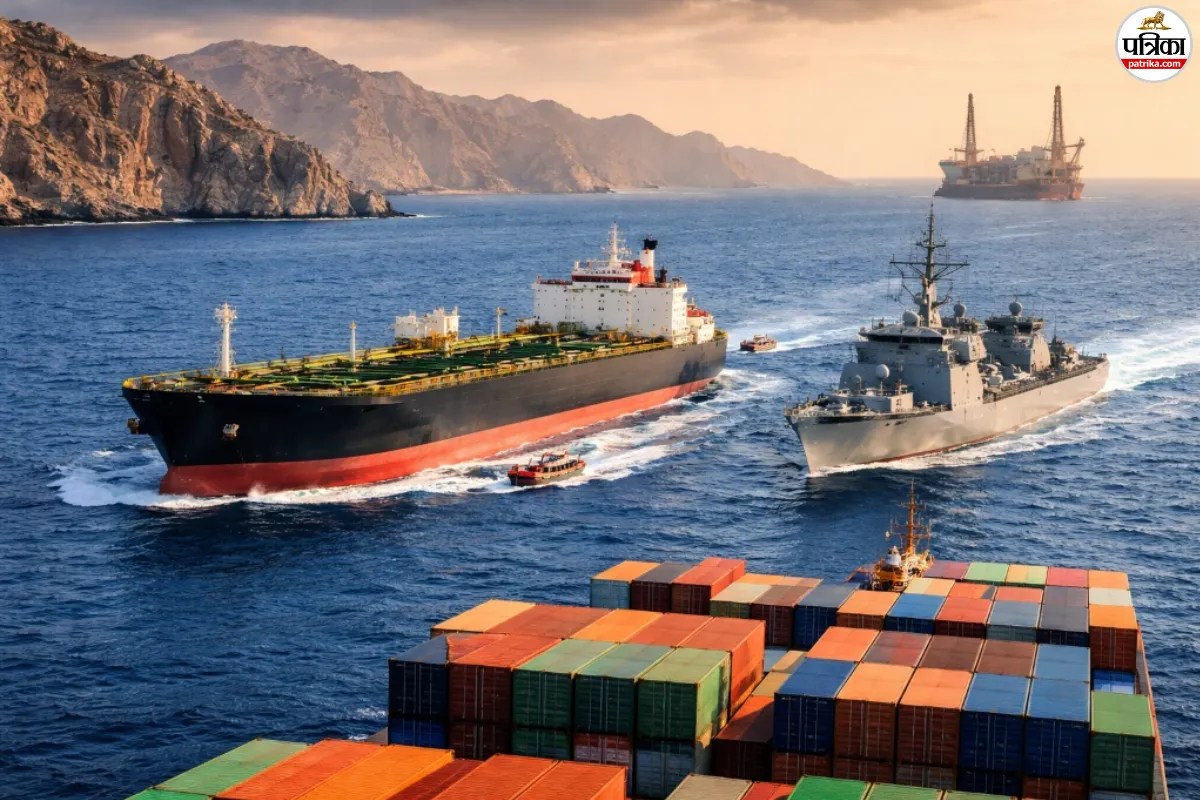
The Strait of Hormuz isn't just a stretch of water. It's the world's most important oil artery. When tensions flare here, the global economy holds its breath. Recently, the UAE didn't hold back. They labeled the threats and blockades in this region as "economic terrorism." That’s a heavy term. It’s not just about ships getting stuck. It’s about a direct hit to the wallets of nations across the globe, especially India.
Think about it. Nearly a fifth of the world’s daily oil consumption passes through this narrow choke point. It’s only 21 miles wide at its narrowest. If someone blocks it or starts charging illegal tolls, energy prices don't just go up—they explode. This isn't just a regional spat between Middle Eastern neighbors. It's a global crisis waiting to happen. For a country like India, which imports over 80% of its crude oil, this is a matter of national security.
The logic behind the economic terrorism label
When the UAE calls these actions economic terrorism, they're pointing at the intentional disruption of trade for political leverage. Terrorism usually brings to mind physical violence. But hurting a nation's ability to feed its people or power its factories is just as devastating.
The UAE knows the stakes. They’ve spent decades building an economy that relies on the free flow of goods. Any threat to the Strait of Hormuz is a threat to their sovereignty and their future. They aren't just talking about military blockades. They're talking about the "toll collection" and harassment of commercial vessels that have become far too common. These actions force shipping companies to pay higher insurance premiums. Those costs get passed down to you.
How illegal tolls drain the global economy
Illegal tolls are the new form of piracy. Instead of boarding ships with ladders and guns, certain actors use the threat of detention to extract "fees." This creates a massive ripple effect. Shipping lanes are already crowded. When you add the layer of extortion, logistics companies have two choices: pay up or take the long way around.
Taking the long way around means sailing around the Cape of Good Hope. That adds weeks to a journey and burns millions of dollars in extra fuel. For the consumer, this means the price of petrol at the pump rises. It means the cost of plastic, fertilizer, and even food goes up. The UAE argues that this isn't just a business dispute. It’s a calculated move to destabilize the global market.
The India connection and why it matters
India is uniquely vulnerable here. Our energy appetite is massive and growing. A huge chunk of our oil and gas comes from Iraq, Saudi Arabia, and the UAE. Every drop of that passes through the Strait of Hormuz.
- Rising Input Costs: When crude prices spike due to Hormuz tensions, Indian refineries pay more. This leads to inflation across the board.
- Trade Deficit: India’s trade balance is sensitive to oil. A $10 increase in the price of a barrel can widen the current account deficit by billions.
- Strategic Stocks: While India has strategic petroleum reserves, they are a temporary fix. They can't replace a permanent disruption of the Gulf shipping lanes.
The UAE is essentially standing up for its trade partners like India. They’re saying that the international community can't stay silent while a few actors hold the world's energy supply hostage.
Beyond oil and the impact on non energy trade
We often focus on oil because it’s the most visible commodity. But the Strait of Hormuz is also a highway for everything else. Thousands of containers filled with electronics, machinery, and textiles move through these waters every month.
Dubai is a global logistics hub. If ships can't reach Jebel Ali Port without facing harassment or "tolls," the entire supply chain breaks. This affects the availability of goods in Mumbai, London, and New York. The UAE’s stance is that the sea must remain free. International law, specifically the United Nations Convention on the Law of the Sea (UNCLOS), is supposed to guarantee "transit passage" through straits used for international navigation. When a country ignores this, they’re breaking the fundamental rules of global civilization.
The role of international law in preventing chaos
The legal argument here is straightforward but difficult to enforce. Under UNCLOS, even if a strait falls within the territorial waters of a coastal state, ships have the right to pass through as long as they don't threaten the security of that state.
The problem is the definition of "security." Some regional powers use "security" as a blanket excuse to stop and search any vessel they don't like. The UAE is pushing for a stricter interpretation. They want the international community to recognize that economic disruption is a security threat in itself. You can't just claim you're protecting your borders while you're actually shaking down commercial tankers.
Real world consequences for the average person
It’s easy to get lost in the geopolitics. But let's bring it home. When the UAE talks about economic terrorism, they're talking about the guy driving an auto-rickshaw in Delhi who suddenly can't afford to fill his tank. They're talking about the farmer who sees the price of urea skyrocket.
- Inflation: Energy is an input for almost everything. Higher oil prices mean higher transport costs for vegetables and grains.
- Job Security: In the UAE and other Gulf states, millions of Indian expats work in sectors tied to trade. If trade slows down, jobs disappear.
- Stock Market Volatility: Markets hate uncertainty. Every time a tanker is seized in the Strait, global markets dip. This hits your pension funds and personal investments.
The UAE isn't just complaining. They're sounding an alarm. They want a coordinated international naval presence to ensure that "tolls" and blockades become a thing of the past.
The strategic shift in UAE foreign policy
This aggressive stance marks a change in how the UAE handles regional friction. They used to be more behind-the-scenes. Now, they're vocal. They realize that silence is seen as weakness by those who want to disrupt the status quo.
By using the term "economic terrorism," they're trying to shift the narrative at the UN and other international bodies. They want the world to treat shipping disruptions with the same gravity as a physical attack. It’s a smart move. It frames the issue as a global economic problem rather than a local religious or political one.
What needs to happen next
The world can't just rely on the UAE to do the heavy lifting. Ensuring the freedom of navigation in the Strait of Hormuz requires a multi-national effort.
India has already taken steps by deploying naval assets under "Operation Sankalp" to escort Indian-flagged vessels. But that’s a reactive measure. There needs to be a proactive diplomatic push to hold those who collect illegal tolls accountable. Sanctions alone don't seem to work. There needs to be a clear, enforceable cost for interfering with commercial shipping.
If you're tracking your investments or just worried about the cost of living, keep an eye on the Gulf. The rhetoric coming out of Abu Dhabi is a sign that the pressure is reaching a boiling point. The safety of the Strait of Hormuz is the safety of the global economy.
Don't wait for the next price hike at the pump to care about maritime law. Support policies that favor diversified energy sources and stronger international naval cooperation. The UAE has made its move by calling out the "terrorists" of the trade routes. Now it's up to the rest of the world to decide if they'll let the extortion continue.