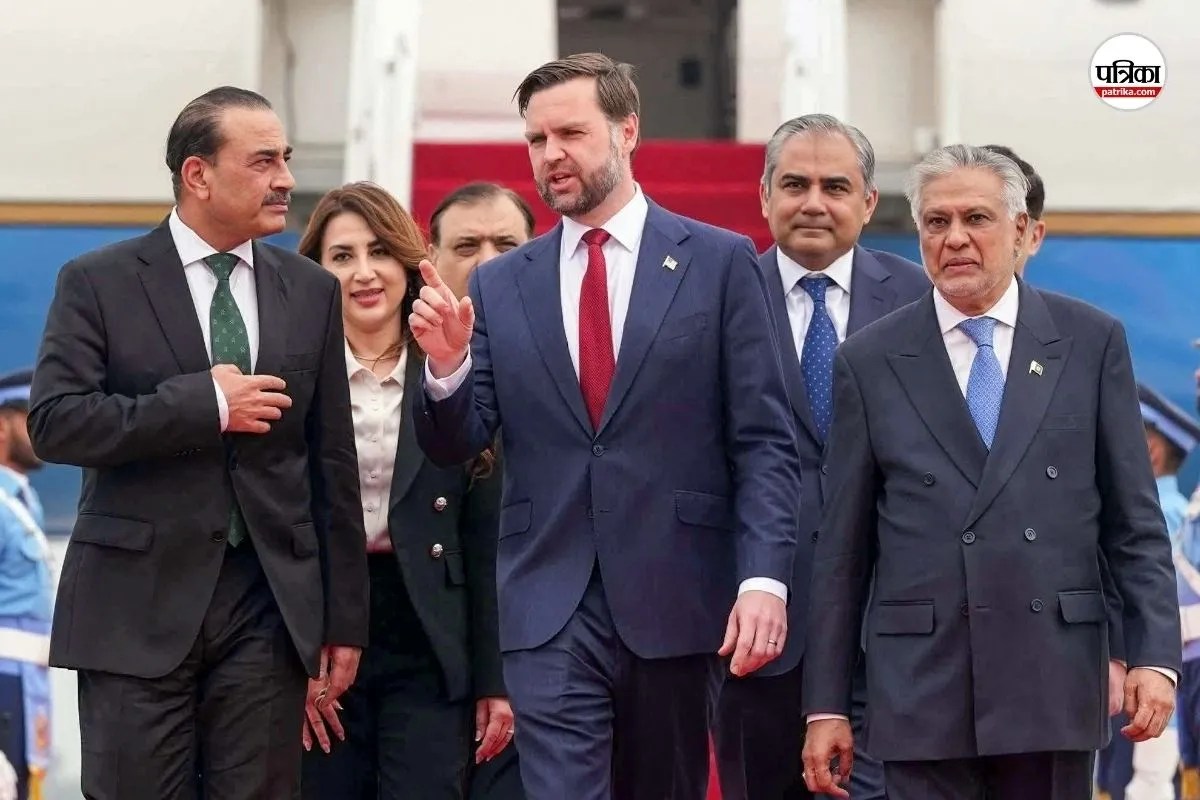
The air in Islamabad’s high-security diplomatic enclave doesn’t circulate; it stagnates. By the eighteenth hour of negotiations, the scent of expensive cologne had long since surrendered to the smell of stale coffee and the metallic tang of exhaustion. Outside, the world moved on. Inside those walls, time had warped into a singular, grueling marathon of semantics. Twenty-one hours. That is how long it took for the latest attempt at a bridge between Washington and Tehran to sway, crack, and ultimately remain uncrossed.
Negotiation is rarely about the grand handshake you see on the evening news. It is about the friction of chairs against a carpeted floor at 3:00 AM. It is about the way a diplomat rubs his eyes when he realizes the latest proposal is just the old one dressed in different adjectives. In the case of the United States and Iran, meeting on the neutral but tense soil of Pakistan, the stakes weren’t just about policy. They were about the ghost of a trust that hasn’t existed since the 1970s.
Pakistan found itself in the middle of this geopolitical pressure cooker, playing the role of the quiet host to a loud disagreement. The updates trickling out of the capital weren't the victory laps many had hoped for. Instead, they were cold reminders that even when two sides agree to sit in a room until their voices grow hoarse, the distance between them is measured in decades of defiance, not hours of dialogue.
The Weight of the Unsaid
To understand why twenty-one hours produced so little, you have to look at the shadows in the room. Imagine a person who has been lied to for forty years. Now imagine the person who did the lying is asking for a favor. That is the baseline of the U.S.-Iran relationship. When the American delegation speaks of "security guarantees," the Iranian side hears "containment." When Tehran speaks of "peaceful energy," Washington hears "clandestine weapons."
The core of the stalemate in Islamabad wasn't a lack of effort. It was a fundamental disagreement on the sequence of reality. The Americans wanted a freeze before a thaw. The Iranians demanded a thaw before they would even consider the ice.
This wasn't just a disagreement over nuclear centrifuges or regional proxies. It was a clash of survival instincts. For the Iranian leadership, the memory of 2018—when the previous nuclear deal was torn up with a stroke of a pen—is a fresh wound. They aren't looking for a deal; they are looking for a guarantee that the next American administration won't simply delete their signature. The Americans, conversely, are haunted by the fear of a ticking clock. Every hour the deal remains unsigned is an hour the uranium enrichment levels climb higher.
The Human Toll of Deadlocked Ink
While the men in suits debated the nuances of sanctions relief, the ripple effects of their failure were being felt thousands of miles away. In the bazaars of Tehran, the price of basic medicine fluctuates with every rumor of a breakthrough. A failed meeting in Islamabad means a grandmother might not get her insulin next month because the currency has devalued another five percent. In the corridors of the Pentagon, a failed meeting means another set of contingency plans is pulled from the shelf, shifting the chess pieces of aircraft carriers and drone squadrons.
We often treat diplomacy as a chess match, but chess pieces don't bleed. The failure of these talks is a physical weight. It is the anxiety of a young Iranian student who wants to study abroad but finds his bank account frozen. It is the fear of an American soldier stationed in a remote desert outpost, knowing that if the diplomats fail, the rockets will eventually start falling.
Consider the hypothetical case of a trader in Karachi. For him, a successful negotiation would have meant a stabilized region, an opening of trade routes, and a chance for Pakistan to step out of the shadow of being a "frontline state" for someone else's war. Instead, he watches the news and sees the same grim faces exiting the building. The status quo remains, and the status quo is expensive.
Why Pakistan?
It was no accident that this drama unfolded in Islamabad. Pakistan occupies a precarious, almost impossible position. It shares a long, porous border with Iran and a complex, often fraught security partnership with the United States. It is the neighbor who has to keep the peace between two feuding giants because if they start throwing punches, his windows are the first to break.
The Pakistani facilitators did their job. they provided the room, the security, and the silence. But you can provide a stage without being able to write the play. The failure of the twenty-one-hour session wasn't a failure of Pakistani mediation; it was a failure of the principals to recognize a common future that was more valuable than their separate pasts.
The technical roadblocks were numerous. There were disagreements over the "snapback" mechanisms—rules that would automatically re-impose sanctions if Iran breached the deal. There were arguments over the extent of international inspections. But these are just the technical manifestations of a deeper, more primal fear: the fear of looking weak. In Washington, any concession is framed as a surrender to "the mullahs." In Tehran, any compromise is seen as a capitulation to "The Great Satan."
The Exhaustion of the Middle Ground
By the time the sun rose over the Margalla Hills on the final day, the exhaustion was no longer just physical. It was institutional. There is a specific kind of fatigue that sets in when you realize you are going in circles. You begin to hate the sound of your own voice. You begin to see the person across the table not as a partner in peace, but as an obstacle to sleep.
The "big update" that the media scrambled to report was essentially a confirmation of a void. No deal. No breakthrough. Just an agreement to "continue consulting." In the language of international relations, that is a polite way of saying the house is on fire but we’ve agreed to talk about the color of the water buckets.
The tragedy of the twenty-one hours is that it represents a missed exit on a very dangerous highway. We are currently living in a period of unprecedented regional tension. The Middle East is a patchwork of proxy conflicts, and the U.S.-Iran tension is the thread that pulls them all tight. When that thread snaps, the entire fabric unravels.
The Invisible Stakes
Why should a reader in a different part of the world care about twenty-one hours of failed talk in a city they may never visit? Because the world is smaller than the diplomats think. The failure of these talks dictates the price of the gasoline in your car. It dictates the focus of your government’s foreign policy. It dictates whether the next decade is defined by reconstruction or by the slow-motion collapse of regional stability.
The invisible stakes are the lives that will be lived in the "meantime." The meantime is where the danger lives. It is the space between failed summits where accidents happen. A misunderstood radar blip, a nervous captain on a patrol boat, a miscalculation by a militia leader—these are the things that turn a diplomatic stalemate into a kinetic catastrophe.
We are watching a high-wire act where the performers have decided to stop moving. They are balanced precariously over a canyon, refusing to take the next step because they don't like the look of the rope. But the wind is picking up.
The Islamabad talks were a reminder that logic is a poor match for history. On paper, a deal makes sense for everyone. It stabilizes the global oil market, eases the suffering of the Iranian people, and allows the U.S. to pivot its military focus elsewhere. But nations, like people, are not always logical. They are proud. They are vengeful. They are terrified of being the first to blink.
As the delegations packed their leather briefcases and headed for the airport, the silence returned to the meeting rooms. The coffee cups were cleared away. The chairs were straightened. But the air remained heavy. The twenty-one hours hadn't solved the problem; they had merely mapped the exact dimensions of the wall.
The diplomats left, flying back to their respective capitals to brief their leaders on why the world remains a dangerous place. And on the streets below, the people who actually pay the price for these failures went back to work, unaware that for nearly a full day, their future had been discussed in a room they will never enter, by people who couldn't find a way to say yes.
The lights in the enclave finally went out, but the shadow over the region only grew longer. It is a shadow cast by two giants who are too close to fight and too far to embrace, leaving everyone else to wait in the dark for a dawn that refuses to break.