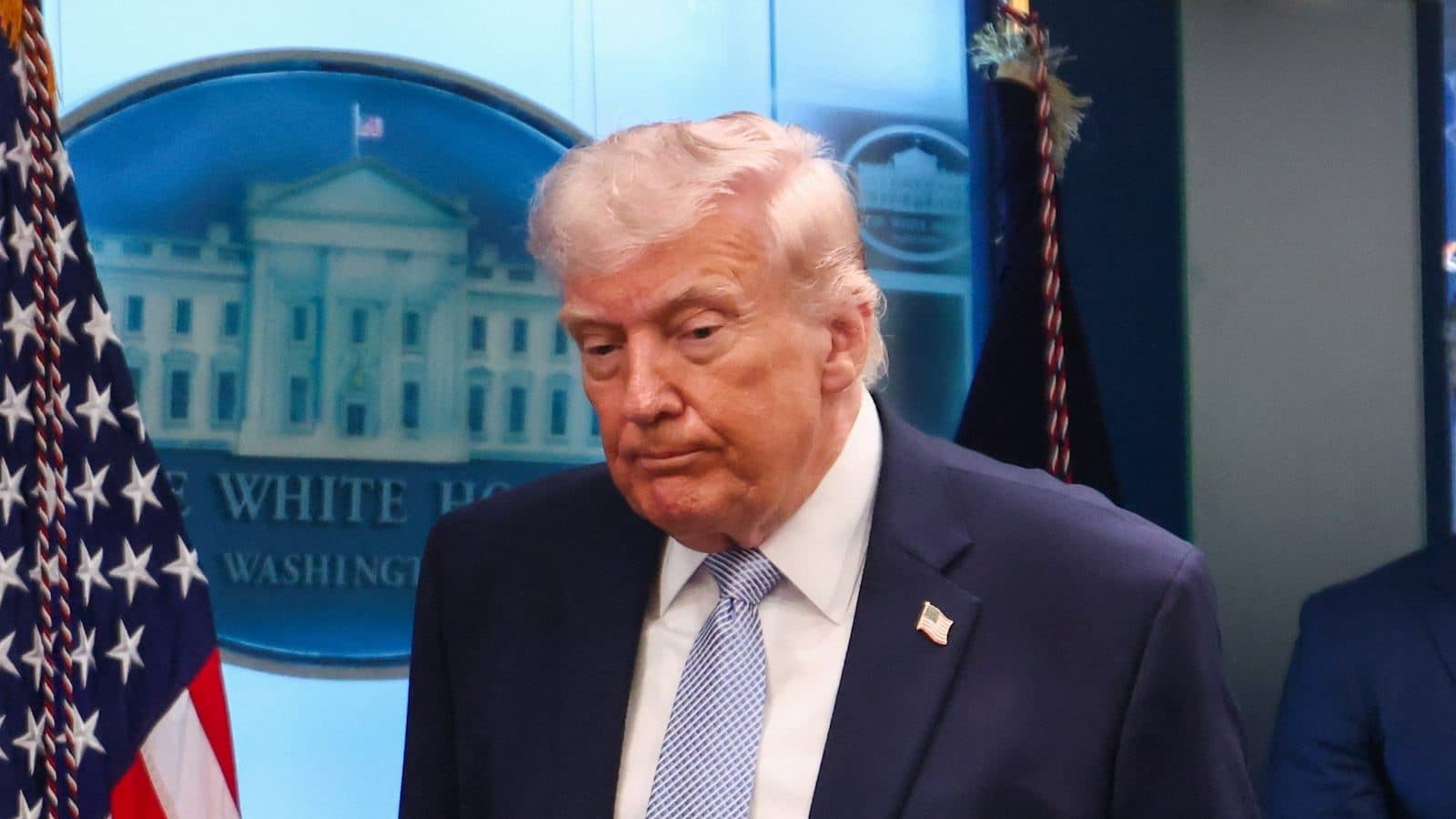
Donald Trump isn't buying what Tehran is selling. After weeks of back-and-forth mediated by Pakistan, a new Iranian proposal hit the Resolute Desk on Monday, April 27, 2026. By Monday night, the verdict from the Situation Room was clear: the President "doesn't love it."
If you're wondering why the U.S. is still blockading Iranian ports and keeping the pressure on after sixty days of high-intensity conflict, the answer is simple. Iran wants to talk about shipping lanes and ceasefires while keeping their nuclear ambitions in a box for "later." For Trump, "later" is a non-starter.
The nuclear sticking point
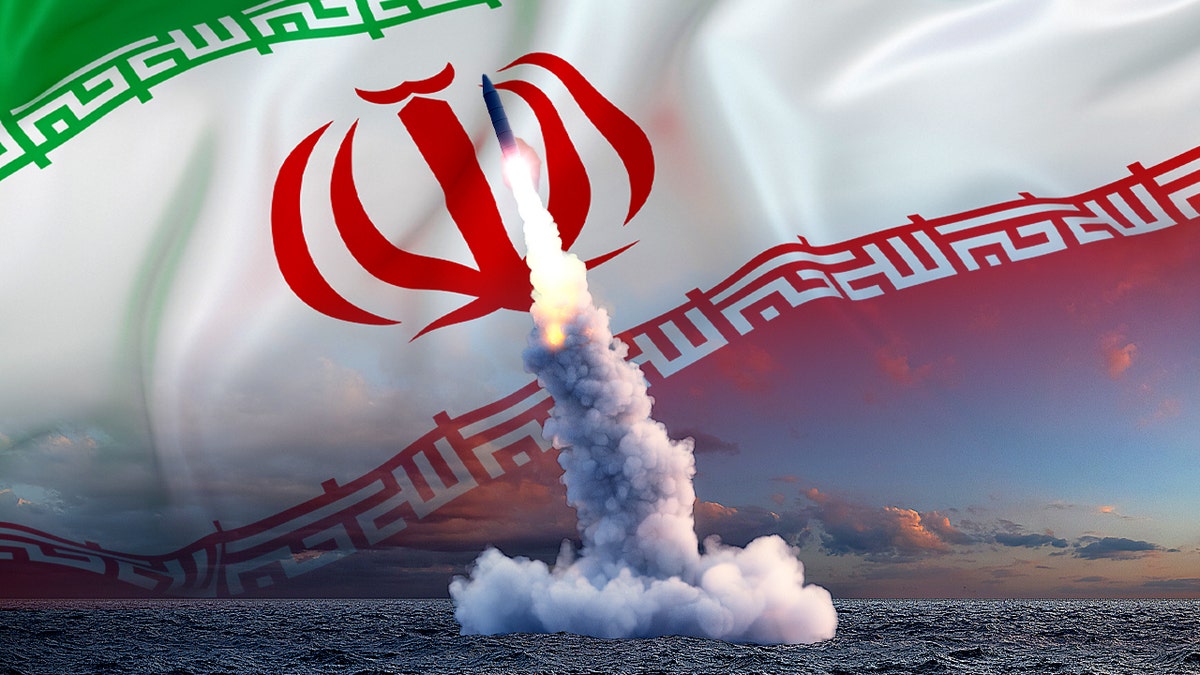
The core of the disagreement isn't about the Strait of Hormuz or the current naval blockade. It's about uranium. Iran’s latest offer, shuttled through Islamabad, suggests a two-phase exit from the war.
- Phase 1: An immediate end to the U.S. naval blockade and the reopening of the Strait of Hormuz.
- Phase 2: Discussions on "everything else," including the nuclear program, at an unspecified future date.
Trump’s national security team, led by Secretary of State Marco Rubio, sees this as a stalling tactic. Rubio was blunt in a Monday interview, calling the proposal a "fig leaf" designed to hide Tehran's real goal: reaching nuclear breakout capacity while the world is distracted by high oil prices and supply chain chaos.
The administration's stance is that nuclear concessions must be the "front door" of any deal, not the exit. You don't get the blockade lifted and the oil flowing again just to promise you'll talk about the centrifuges in six months.
Life under the blockade
The pressure inside Iran is reaching a breaking point, which explains why they’re suddenly so eager to negotiate. Treasury Secretary Scott Bessent warned this week that the Iranian oil industry is basically on life support.
Because of the U.S. blockade that started on April 13, Iran has nowhere to put its crude. They’re reportedly using "junk storage"—basically any empty tank or rail car they can find—just to keep from shutting down the wells entirely. A total collapse of their oil sector isn't just a possibility; it’s the current trajectory.
Meanwhile, the U.S. is feeling the heat at home. Gasoline prices are up, and the domestic political pressure is mounting. Senate Democrats, led by Chuck Schumer, are pushing for a sixth War Powers Resolution vote to end what they call a "war of choice."
Trump’s leverage game
Trump’s philosophy here is vintage 2016 but on steroids. He’s explicitly stated the U.S. holds "all the cards" and has threatened to knock out every power plant and bridge in Iran if they don't agree to his terms.
He isn't looking for a return to the 2015 JCPOA. He wants "zero enrichment." That’s the line in the sand. Iran’s Atomic Energy Organization has already said they won't accept those limits. So, we’re at a classic deadlock. One side is betting that economic collapse will force a total surrender, while the other is betting that global energy pain will force the U.S. to blink.
The Pakistan connection
Pakistan’s Prime Minister, Shehbaz Sharif, has been the primary go-between, but even that channel is fraying. Trump recently scrapped a planned visit by Steve Witkoff and Jared Kushner to Islamabad, signaled that he’s not in a rush to sign a "weak" deal just to end the fighting.
What happens if talks fail
If a counterproposal doesn't land well in the coming days, expect the military theater to ramp up. The U.S. is already moving more Marines and airborne units into the region.
The current ceasefire is incredibly fragile. While it has slowed the missile exchanges, the naval blockade remains a "hot" operation. Just this past weekend, the USS Rafael Peralta intercepted an Iranian-flagged vessel attempting to break the line.
For the average person, this means the volatility in energy markets won't vanish overnight. Don't expect a sudden drop in prices at the pump or a stabilized global economy until the "nuclear issue" is settled. Trump is betting that he can squeeze a "historic" deal out of Tehran by refusing to settle for a temporary fix.
The next move is a U.S. counterproposal. If Tehran rejects that, the "No More Mr. Nice Guy" rhetoric Trump has been using on Truth Social will likely turn into a new phase of kinetic strikes against Iranian infrastructure. Stay tuned to the shipping insurance rates—they’re usually the first indicator of where this is actually headed.