Donald Trump wants a favor, and he's not getting it. For weeks, the White House has been leaning on Beijing to send warships into the Strait of Hormuz. The logic from the Oval Office is simple: China is the biggest customer for Middle East oil, so China should be the one policing the waters while the U.S. and Israel trade blows with Iran. It's a classic Trump move—shaming a "free rider" into picking up the tab for a conflict they didn't start.
But Beijing isn't biting. In fact, the demand has landed with a thud so loud you can hear it from the West Wing to the Great Hall of the People. Despite Trump threatening to delay his high-stakes summit with Xi Jinping, the Chinese leadership is staying remarkably cool. They're not interested in joining a U.S.-led naval coalition, and they certainly aren't interested in helping Trump finish a war that has already sent oil prices screaming past $100 a barrel. For a different view, see: this related article.
The leverage that isn't there
Trump’s primary argument is that China is vulnerable. He’s right about the numbers. Roughly 50% of China’s crude oil imports pass through that narrow chokepoint. With the Iran war entering its third week and the regime in Tehran effectively blocking the waterway, you’d think Beijing would be panicking.
They aren't. Here is why Trump’s pressure campaign is failing: Further coverage on this matter has been provided by NPR.
- China’s "Ghost Fleet" is still moving: While the rest of the world watches the Strait of Hormuz with bated breath, Iranian tankers are still making their way to Chinese ports. Tehran needs the cash, and Beijing is their only major buyer left. Iran isn't going to bite the hand that feeds it by sinking a Chinese-bound tanker.
- Massive stockpiles: China hasn't been idle. They’ve spent the last year building a strategic petroleum reserve that sits at over 100 days of cover. They can afford to wait out a short, sharp "excursion" much better than the U.S. consumer can handle $5-a-gallon gas.
- The "Your War" principle: Beijing views this conflict as a mess of Washington's making. Joining a naval escort would mean aligning with the U.S.-Israeli alliance, effectively ending China’s carefully cultivated "neutral mediator" persona in the Middle East.
A summit in limbo
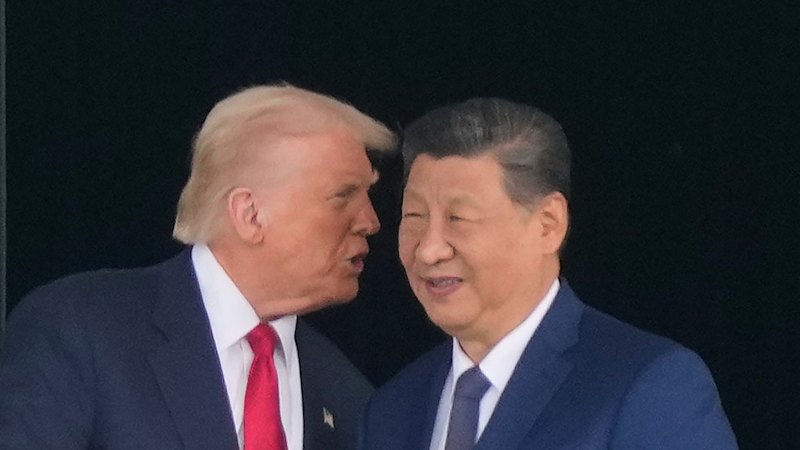
The most dramatic card Trump played this week was the threat to cancel his trip to Beijing, originally scheduled for late March. On Monday, he pivoted slightly, framing it as a "request to delay" by a month because he "needs to be here" for the war. It’s a transparent attempt to save face.
If the summit doesn't happen, it’s not just a diplomatic snub. It stalls critical talks on agricultural purchases and a fragile trade truce that both economies desperately need. But here’s the kicker: a delay actually suits Xi Jinping.
Chinese officials had already been pushing for a later date to better prepare. By making the visit contingent on naval help, Trump gave China an easy out. They can now sit back, watch the U.S. struggle with the logistics of a prolonged naval blockade, and wait for a more desperate Trump to come to the table later this spring.
The NATO ripple effect
It isn't just China feeling the heat. Trump has also turned his sights on NATO allies, telling the Financial Times that a failure to help in the Gulf would be "very bad for the future of NATO." This "pay-to-play" foreign policy is hitting a wall of resistance in Europe too. France and the UK have been notably silent on sending ships into an active war zone where the rules of engagement are, frankly, a moving target.
Why the "policing" demand is a non-starter
Asking China to police the Strait is a fundamental misunderstanding of Beijing’s military doctrine. For decades, China has preached non-interference. Sending a destroyer to escort tankers against Iranian mines would be a massive escalation of their global military footprint.
More importantly, it would force them to pick a side. Right now, China enjoys a unique position: they can condemn the U.S. strikes at the UN while simultaneously buying discounted "conflict oil" from a desperate Tehran. Why would they trade that for the privilege of being a junior partner in a U.S. naval operation?
What happens next
Don't expect a fleet of Chinese Type 055 destroyers to show up in the Gulf anytime soon. Instead, watch for Beijing to play the long game of "diplomatic mediation." They will likely offer to talk to Tehran about keeping the shipping lanes open—but only if the U.S. offers concessions on tariffs or tech restrictions.
If you're tracking the markets, keep an eye on these indicators:
- The "Jask" Alternative: Watch if Iran starts moving more volume through the Port of Jask, which sits outside the Strait. If they do, China’s reliance on the chokepoint drops even further.
- The April 11 Deadline: Trump has issued waivers for some countries to buy Russian oil until mid-April. If those aren't extended, the energy crunch gets much worse, and China’s leverage over the U.S. economy grows.
- Summit Dates: If a new date for the Trump-Xi meeting isn't set by next week, assume the relationship is back in the deep freeze.
The reality is that you can't bully a superpower into a war they don't want to fight. Trump's "demand" was a gamble that China's thirst for oil would outweigh its strategic patience. So far, he’s lost that bet.
If you want to understand how this affects your portfolio, start looking at domestic energy producers that aren't tied to Middle East transit. The "Hormuz Premium" on oil isn't going away as long as this stalemate continues.