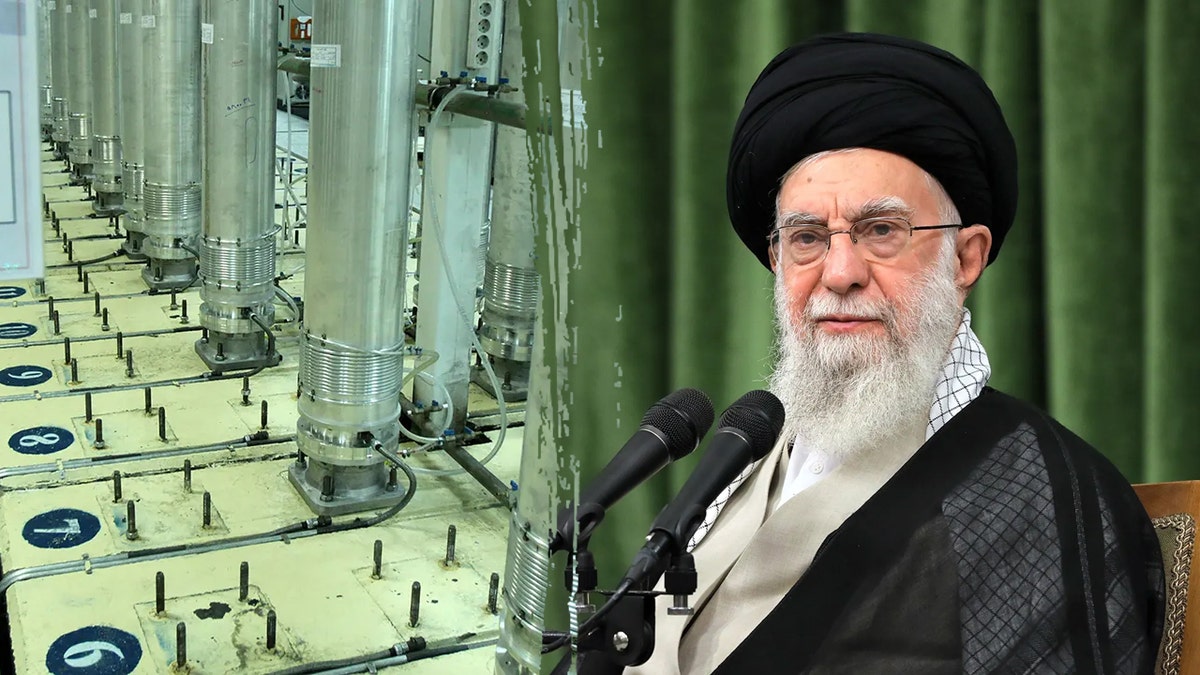
The Strait of Hormuz is back in the headlines, and not for anything good. Just hours after President Donald Trump unilaterally extended a "dirty ceasefire" with Tehran, the Iranian Revolutionary Guard Corps (IRGC) went out and snatched two international merchant ships. You’d think that would be enough to blow up any peace talks, but the White House is doing some high-speed backpedaling to keep the deal alive.
Karoline Leavitt, the White House press secretary, basically told everyone to calm down. According to the administration, Iran seizing ships isn't a violation of the ceasefire. Why? Because the ships didn't fly American or Israeli flags. It's a technicality that feels like a massive stretch, but it’s the corner Trump has painted himself into. He wants a "Grand Bargain" with Iran, and he’s willing to ignore some light piracy to get it.
The Technicality Keeping the Peace
The logic coming out of the West Wing is pretty simple, if a bit cynical. Since the seized vessels—the Panama-flagged MSC Francesca and the Liberia-flagged Epaminondas—don't belong to the U.S. or Israel, they don't count toward the truce. It’s a "not my problem" approach to global maritime security.
Trump’s strategy here isn't just about avoiding a fight. He’s spent weeks claiming he’s "obliterated" Iran’s conventional navy. If he admits that Iran can still effectively shut down the world’s most important oil chokepoint, it makes him look weak. By framing these seizures as "piracy" by "speedy gunboats" rather than a coordinated military action, the administration keeps its narrative of total dominance intact.
But let’s be real. If you’re a global shipping company, "it's not a violation" doesn't help you much when your crew is being escorted to an Iranian port at gunpoint. The White House is prioritizing the optics of a successful ceasefire over the reality of safe passage in the Gulf.
A Ceasefire Without a Partner
The weirdest part of this whole "U-turn" is that Iran hasn't even officially agreed to the extension. Trump went on social media to announce he was holding off on further attacks to let Pakistani mediators do their thing. Tehran’s response? Total silence on the diplomatic front and a show of force on the water.
Mohammad Bagher Ghalibaf, the speaker of Iran's parliament, didn't mince words on social media. He called the ongoing U.S. naval blockade of Iranian ports a "flagrant violation." To Tehran, a ceasefire where they can't export oil isn't a ceasefire at all—it's just a siege without the bombs. They’re using these ship seizures to prove they still have leverage, even if their main warships are at the bottom of the ocean.
- The U.S. Stance: The blockade stays. The ceasefire is a "gracious" gift to allow for negotiations.
- The Iranian Stance: The blockade is an act of war. Seizing ships is a legitimate response to "maritime violations."
- The Global Reality: Oil prices are sitting north of $100 a barrel, and the energy crisis is only getting worse.
Why the White House is Stalling
Trump is clearly betting that the "fractured" leadership in Tehran will eventually cave. He’s mentioned that the Iranian delegation failed to show up in Islamabad because they can't agree on a proposal. By extending the ceasefire indefinitely without a hard deadline, he’s trying to keep the pressure on without actually having to restart a full-scale war that would send gas prices to the moon.
The administration’s refusal to call out the ship seizures as a breach is a calculated risk. They’re betting that the international community cares more about avoiding a nuclear exchange than it does about two merchant ships. It’s a messy, "dirty" peace that leaves the Strait of Hormuz effectively closed to anyone without a death wish.
What Happens Next
Don't expect a clean resolution anytime soon. The U.S. is still moving a third aircraft carrier into the region, and Iran is still parading ballistic missiles in the streets of Tehran. This isn't a peace deal; it's a staring contest where both sides are claiming victory while the rest of the world pays the price at the pump.
If you’re watching this for your portfolio or just wondering when things get back to normal, keep an eye on those Islamabad talks. Until an Iranian delegation actually sits down with JD Vance, this "ceasefire" is nothing more than a PR move to buy time.
If you're in the shipping or energy sector, you need to treat the Strait as a hot zone regardless of what the White House calls it. Diversify your supply chains now because this "technical" ceasefire could evaporate the moment a ship with the "wrong" flag gets targeted.