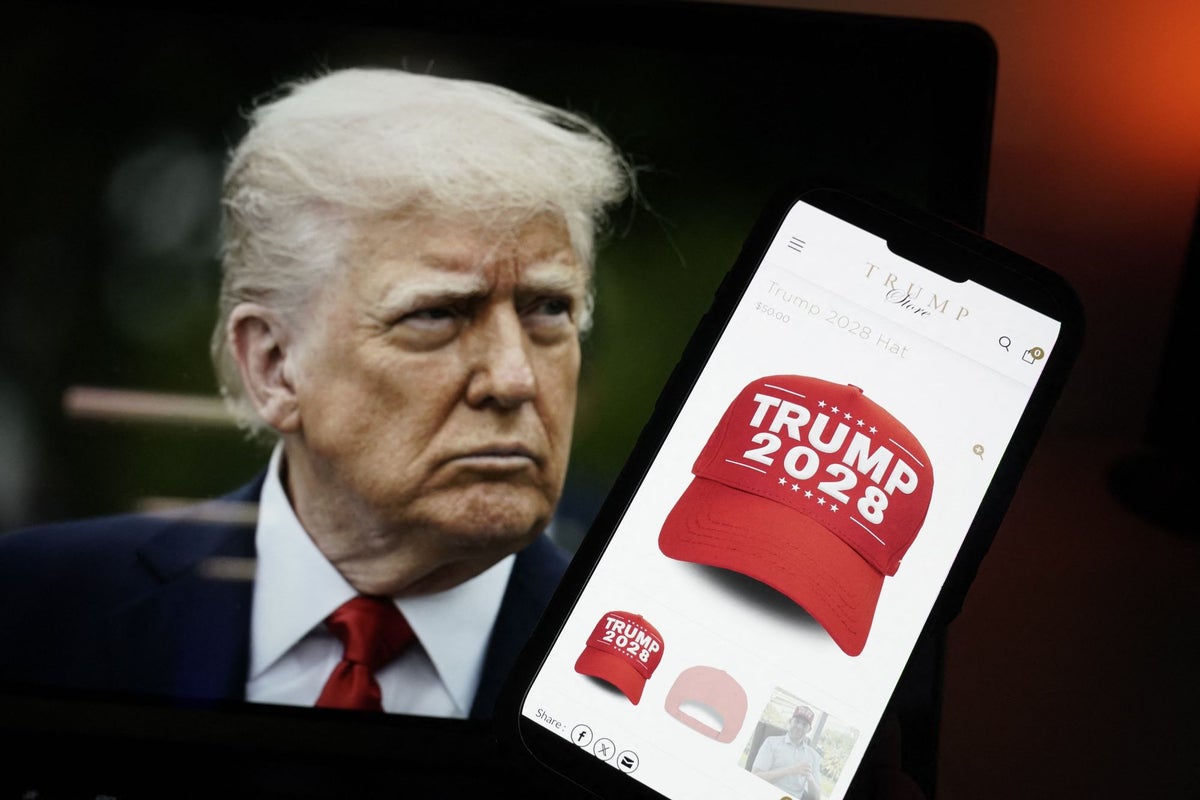
The lines between the Oval Office and the gift shop aren't just blurred anymore—they've basically vanished. While most presidents worry about their legacy in the history books, Donald Trump's second term seems equally focused on the inventory of his online storefront. A new report from the watchdog group Citizens for Responsibility and Ethics in Washington (CREW) reveals that the Trump Store has rolled out more than 600 new branded items since he returned to power.
This isn't just about selling a few "Make America Great Again" hats. We're talking about an aggressive, systematic expansion of a retail empire run by a sitting president’s family while he holds the highest office in the land. It’s a move that ethics experts say is designed to profit off the presidency in ways we’ve never seen before.
The Numbers Behind the Merch
The scale of this retail push is staggering. According to CREW’s analysis, the storefront added roughly 168 products during the transition period alone. Since the inauguration in January 2025, that number has ballooned past 600.
In 2024, the year Trump reclaimed the White House, the store reportedly brought in $8.8 million in income. That might sound like a drop in the bucket compared to his real estate holdings, but it represents something deeper: a direct pipeline from political popularity to personal bank accounts.
What’s actually for sale? It’s a bizarre mix of the mundane and the high-end:
- "45-47" themed collections celebrating his two non-consecutive terms.
- Inauguration-themed apparel and accessories.
- Trump-branded Bibles, which earned him millions in royalties even before the term began.
- High-end watches, sneakers, and fragrances.
- The "Trump Mobile" smartphone and service.
Why This Isn't Just Normal Business
You'll hear supporters say he’s just a businessman doing what he does best. But the presidency isn't a business. It’s a public trust. Historically, presidents have gone to great lengths to avoid even the appearance of a conflict of interest. Jimmy Carter famously gave up his peanut farm.
Trump has taken the opposite path. By keeping his businesses within the family—specifically managed by his sons, Eric and Donald Jr.—the profits still effectively sit under the family umbrella. When the president promotes a "Save America" agenda and then his store sells the gear to match, the presidency becomes a marketing engine.
The Ethics Loophole You Could Drive a Truck Through
Here is the kicker: Most of this is technically legal.
The president is exempt from many of the basic ethics rules that bind every other federal employee. If you work at the Department of Labor, you can’t participate in matters that affect your personal finances. You can’t take big gifts from people your department regulates.
But the president? He can stay involved in his business. He can accept "gifts" like the 24-karat gold-based glass sculpture Apple’s CEO reportedly gave him. He can sign executive orders that shift the economy while his store hawks products that benefit from those very shifts.
Foreign Influence and the Bottom Line
The merch is just the tip of the iceberg. CREW’s data shows Trump reported at least $630 million in business income in 2024. A huge chunk of that comes from international properties.
When a foreign government sees the president’s sons opening a new development in Dubai or Vietnam, they know exactly how to get on the administration’s good side. Buy a few hundred "45-47" gold watches? Rent out floors of a hotel? It’s a legal way to funnel money to the man in charge.
The "Trump Store" serves as the most visible, accessible version of this. It’s a way for anyone—from a local donor to a foreign lobbyist—to put money directly into the Trump family coffers while buying a piece of the brand.
What This Means for 2026 and Beyond
We’re living through an era where the presidency has been turned into a lifestyle brand. This isn't just about ethics complaints; it’s about how the office is perceived globally. When the Commander-in-Chief spends time hawking $100 Bibles or $500 sneakers, it changes the nature of the job.
If you’re concerned about the integrity of the office, you should be looking at the lack of enforcement. The Office of Government Ethics (OGE) has very few "teeth" when it comes to the president. They can suggest, they can complain, but they can't force a divestiture.
Keep an eye on the following:
- Financial Disclosures: Look for the 2026 filings to see if that $8.8 million retail figure spikes even higher now that he’s officially back in the Oval Office.
- Trademark Filings: Trump has been active in securing trademarks in places like Vietnam and India while in office. These are the foundations for future "Trump Stores" abroad.
- Legislative Reform: There are ongoing calls to close the "presidential loophole" in ethics laws, but don't expect much movement from a divided Congress.
The Trump Store isn't just a place to buy a hat. It’s a live experiment in how much a president can monetize his power before the public—or the law—decides it’s gone too far. If you want to track where the influence is flowing, stop following the speeches and start following the SKU numbers.