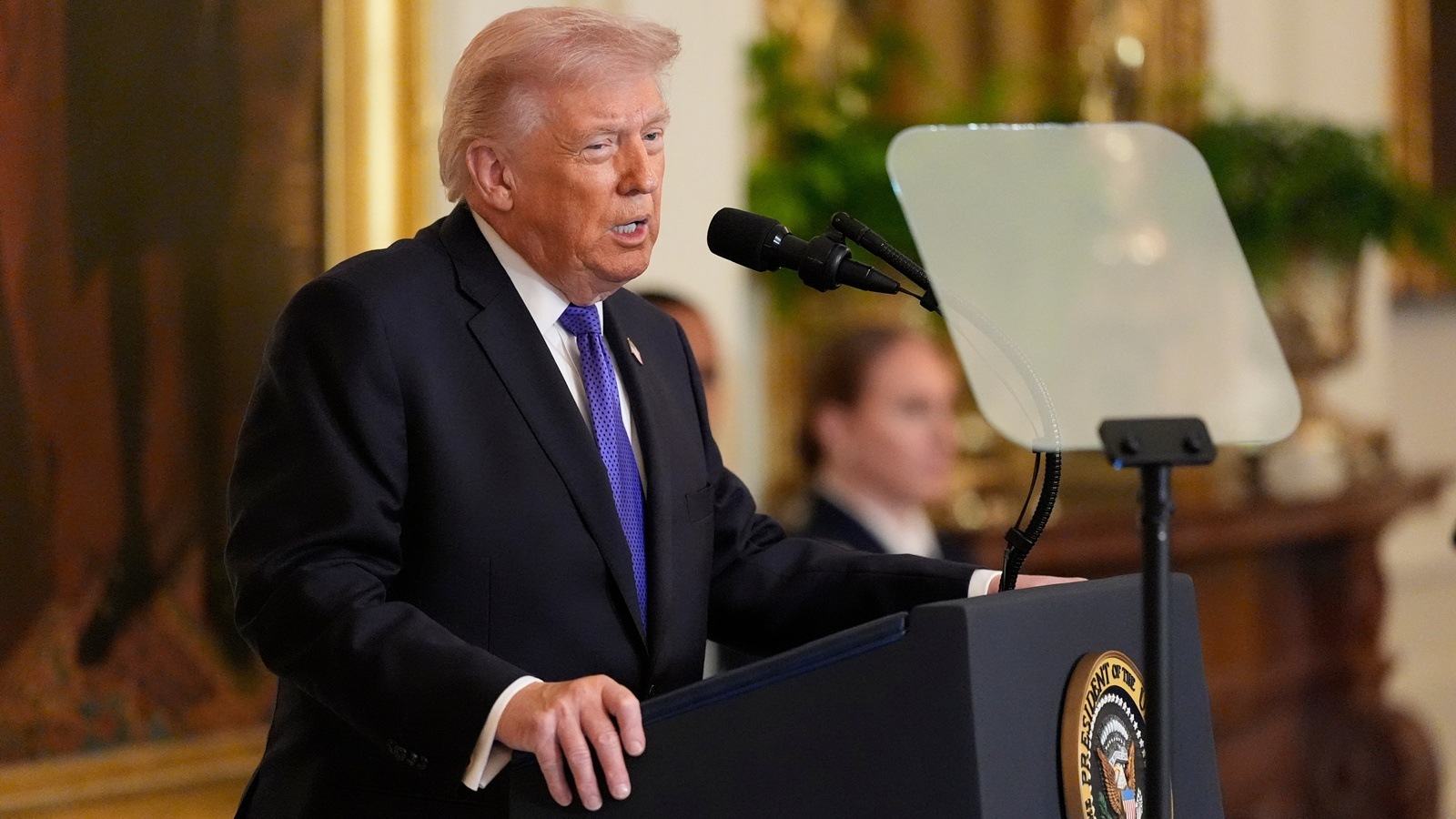
Donald Trump just slammed the door on Tehran. After days of heavy US and Israeli airstrikes, the Iranian leadership is reportedly reaching out for a lifeline, but the White House isn't picking up. On Tuesday, March 3, 2026, Trump told reporters in the Oval Office that while the Iranian regime "wants to talk," his response is simple: "It's too late."
It’s a brutal pivot from the indirect nuclear negotiations that were happening in Geneva just weeks ago. According to the President, the window for diplomacy didn't just close—it was blown off its hinges. He claims that Tehran’s air force, navy, and senior leadership have been effectively eliminated in the opening salvos of "Operation Epic Fury." If you're looking for the reason behind this sudden aggression, it boils down to Trump’s belief that Iran was using talks as a "delay tactic" while they sprinted toward a nuclear weapon.
The end of the Iranian military as we know it
Trump isn't known for understated military assessments. During a meeting with German Chancellor Friedrich Merz, he went all in, claiming "just about everything has been knocked out." He’s not just talking about a few radar stations. The administration is reporting that the Iranian Navy is essentially at the bottom of the Persian Gulf, with at least nine major vessels sunk and their naval headquarters in ruins.
The air defense situation looks even worse for Tehran. General Dan Caine, Chairman of the Joint Chiefs of Staff, confirmed on March 2 that the US has established "local air superiority." This means US and Israeli jets are flying over Iranian airspace with very little risk. If the President’s claims are accurate, the "snake's head" has been cut off. White House Press Secretary Karoline Leavitt stated that 49 of the most senior Iranian regime leaders were killed in the initial strikes.
Why the sudden strike
You might wonder why this happened now. Trump says he "had a feeling" Iran was about to strike first. While critics point out a lack of concrete evidence for an "imminent" threat to the US homeland, the administration points to the rapid expansion of Iran’s ballistic missile program. They argue these missiles were on the verge of being able to hit the US.
The strategy here is clearly different from previous administrations. Trump isn't interested in "proportional" responses. He wants "annihilation." By targeting the leadership and the military infrastructure simultaneously, he’s trying to force a total collapse of the current power structure.
The death of the Supreme Leader and what follows
The biggest shock to the system was the confirmed death of Supreme Leader Ayatollah Ali Khamenei on March 1. It’s hard to overstate how much this changes the landscape. Iran has declared 40 days of mourning, but Trump is already looking past the funeral. He’s calling on the Iranian people to "take back your country."
- Regime Change: Unlike the 2003 Iraq invasion, Trump claims he doesn't want a long-term occupation. He pointed to the January 2026 capture of Nicolas Maduro in Venezuela as his preferred model—get in, remove the top, and let the locals handle the rest.
- The "Immunity" Offer: In a bold move, Trump offered members of the IRGC and the regular military "total immunity" if they lay down their arms immediately. The alternative? "Certain death."
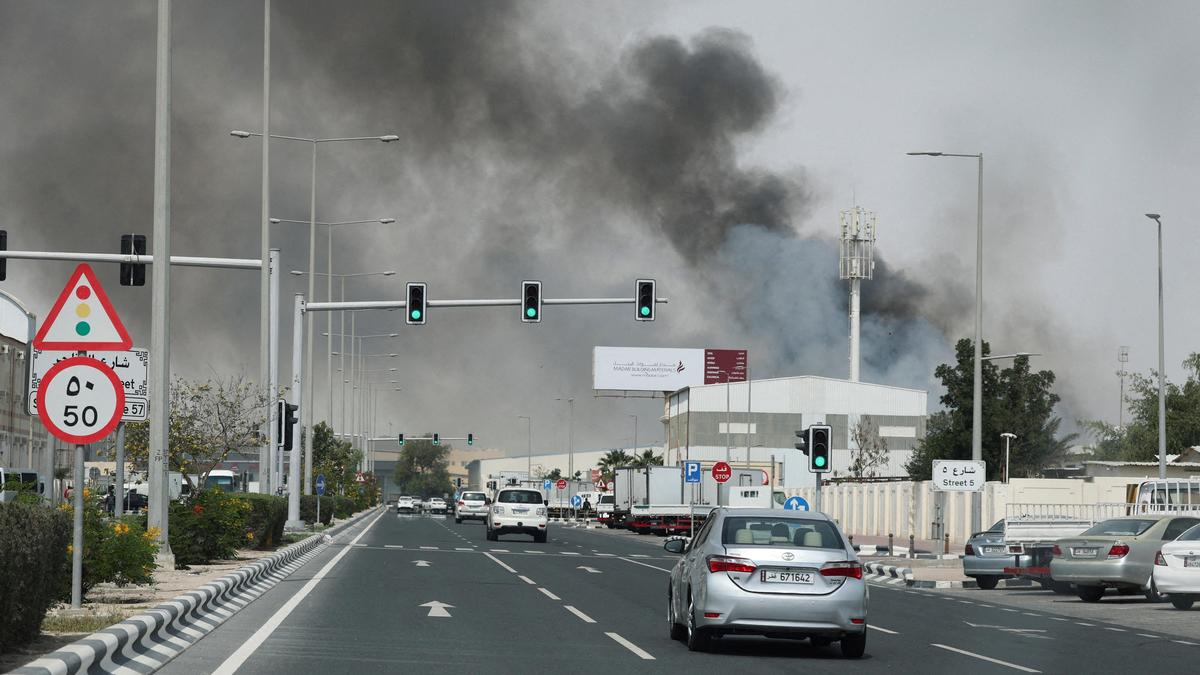
- Domestic Chaos: While the US claims the Iranian people want this, the reality on the ground is messy. Reports show smoke rising over Tehran and industrial areas like Sharjah in the UAE being hit by retaliatory strikes.
Is there a real path back to the table
When Trump says "too late," he doesn't necessarily mean he'll never talk. He means he won't talk to the old regime. He’s already hinted to The Atlantic that he might speak with whatever "interim leadership" emerges from the rubble, provided they meet his demands:
- Complete end to all nuclear enrichment.
- Total dismantling of the ballistic missile program.
- An end to all proxy funding for groups like Hezbollah.
The "too late" comment is a classic Trump negotiation tactic. He’s telling the remaining Iranian officials that they have zero leverage left. In his mind, they had their chance in Geneva and they blew it. Now, he’s negotiating from a position of absolute military dominance.
What you should watch for next
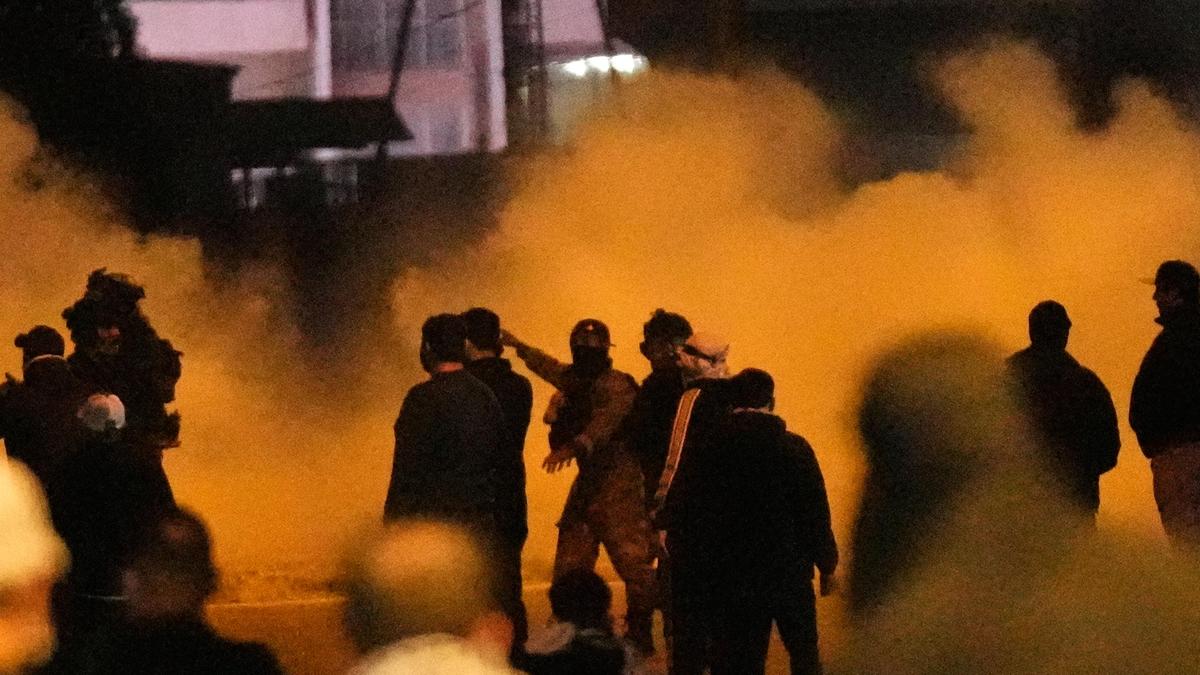
The conflict is spreading fast. Lebanon has already been hit by Israeli strikes aimed at Hezbollah, and US jets were involved in a "friendly fire" incident over Kuwait earlier this week. The Strait of Hormuz is technically open, but the IRGC is threatening to shut it down, which would send global oil prices into a tailspin.
If you're tracking this, keep an eye on the "Epic Fury" timeline. Trump initially projected a four-to-five-week campaign but recently admitted it could go "far longer." He hasn't ruled out "boots on the ground" either. He famously told the New York Post, "I don't have the yips" about sending in troops if necessary.
The next few days will determine if this is a quick decapitation of a regime or the start of a massive regional war that drags in the entire Middle East. For now, the US is staying the course, waiting to see if the Iranian military actually takes the "immunity" deal or fights to the end.
If you want to stay updated on the military movements in the Persian Gulf, you should monitor the daily briefings from US Central Command. They’re providing the most granular data on which naval assets are still operational and where the next wave of "Epic Fury" is headed.